Japan has 16 national holidays. Only 3 require special planning for private tours—Golden Week, Obon, and New Year's compress booking windows and force itinerary changes. The other 13 barely affect tours.
Japanese public holidays affect a Tokyo trip far less evenly than most visitors assume. Of the 16 national holidays, only 3 call for special planning if you're booking a private tour, and the other 13 barely touch anything.
Those three are Golden Week, Obon, and New Year's. They change what's open, change the route your guide plans, and push booking windows months ahead.
If your dates overlap a major holiday, book earlier and expect a different route. If they land on one of the scattered single-day holidays, book as you normally would.
The Holiday Hierarchy That Actually Matters
For tour purposes, Japanese holidays fall into three tiers.
| Tier | Holidays | Impact | Booking Window |
|---|---|---|---|
| Major | Golden Week, Obon, New Year's | Widespread closures, itinerary shifts | 60-90 days ahead |
| Three-Day Weekends | Marine Day, Mountain Day, Sports Day, Respect for Aged | Local energy, minimal closures | 2-3 weeks (normal) |
| Single-Day | 9 other holidays | No closures, no changes | Normal timeline |
Three Holidays Change Everything
Golden Week (April 29 through May 6), Obon (August 13–16), and New Year's (December 28 through January 3) bring closures all over the city. Small restaurants shut so the owners can be with family, and neighborhood shops close for the week. The tourist zones stay open. The local places that make a private tour worth having often don't.
Guides are also harder to get in these three periods. The ones who do work them book 60-90 days ahead, because they need time to plan routes around the closures, and many guides won't take Golden Week bookings at all.
Three-Day Weekends: Noticeable, Not Disruptive
Four holidays fall under the Happy Monday System and give people a three-day weekend: Marine Day (third Monday in July), Mountain Day (August 11), Sports Day (second Monday in October), and Respect for the Aged Day (third Monday in September).
Local families come out on these days. Parks fill up, cafés get busier, and there's more of a festival feel. Businesses stay open and tours run as usual. You'll see more locals enjoying a day off, and in our experience that tends to make a tour better.
Book 2-3 weeks ahead, the same as any other time.
The Other Nine: Business as Usual
Coming of Age Day, National Foundation Day, Emperor's Birthday, Vernal Equinox, Autumnal Equinox, Culture Day, and Labor Thanksgiving Day either fall mid-week or pass without much fuss. Nothing closes, booking doesn't get tighter, and the itinerary stays the same.
If one of these falls during your trip, you can ignore it. Book on your usual timeline, and 2-3 weeks is comfortable.
Golden Week (April 29–May 6)
Golden Week falls in the middle of spring season. Once it's over (around May 7), crowds drop off sharply and the weather is still ideal. Four national holidays land in the same week: Showa Day (April 29), Constitution Memorial Day (May 3), Greenery Day (May 4), and Children's Day (May 5). When they line up with weekends, the whole stretch runs 8-10 days.
Why Four Holidays Compress Into One Week
Japanese workers get few vacation days, so Golden Week is one of the only times they can travel without using leave. Domestic travel spikes, trains fill up, and hotels sell out months in advance.
The crowds are Japanese families taking the one long break their working lives allow.
Tokyo Empties (But Tourist Zones Fill)
Plenty of Tokyo residents leave town for Golden Week. Commuter trains are quieter than usual and residential neighborhoods thin out. If you're in Tokyo and staying away from the big sights, the city can feel calmer than normal.
The tourist zones, meaning Asakusa, Shibuya, and Shinjuku, stay packed as visitors from the rest of Japan arrive. For a private tour, the bigger issue is that the neighborhood places and local spots it's built around close.
What Closes, What Stays Open
Family-run shops and restaurants in residential neighborhoods close. In Yanaka's streets, Isetatsu (handmade chiyogami paper since 1864) shuts over the Golden Week holidays, as do other artisan shops nearby. Vendors at Tsukiji Outer Market take the week off, and small izakayas in the shitamachi districts close so the owners can be with family.
Businesses aimed at tourists stay open. Senso-ji is open, the Shibuya malls keep full hours, and chain restaurants keep serving. A private tour earns its keep by getting you into the local layer that group tours miss, though, and in Golden Week a lot of that layer is shut.
Guides working Golden Week move the itinerary toward places that are open, so you see tourist Tokyo more than neighborhood Tokyo. The guiding is just as good; the route is different. For more on how tour planning adapts to local conditions, see our complete guide to Tokyo private tour planning.
Book 30-45 Days Ahead
How many guides are available over Golden Week changes from year to year. Many take the week off to be with family, so there are fewer to go around. With the full-time guides away, slots go faster than in a normal season, sometimes 45-60 days out and sometimes nearer 30 days.
The guides who do work Golden Week fill their calendars earlier than usual, because they're picking up work from colleagues on leave.
Hotels follow the same pattern. Prices go up 16-35% on average. A Tokyo business hotel that's usually ¥6,000/night reaches ¥18,000, and capsule hotels get to ¥12,000. Vacancy rates fall to 18%. If your dates are fixed on Golden Week, book your room and your tours together, 4-6 weeks ahead if you can.
Obon (August 13–16)
Obon isn't an official public holiday, yet 85% of Japanese companies close for it. It's a time for honoring ancestors: families go back to their hometowns, visit graves, and get together for reunions that last several days.
It also lands in Japan's hardest weather. Our summer in Japan guide explains how the heat combines with domestic travel, and covers the festivals and regional escapes that make August worth a look anyway.
Not a Public Holiday, But Everyone Treats It Like One
Company shutdowns average 8 days (range: 3-16 days). Banks are technically open, but many staff are on vacation. Businesses that deal with tourists cut their hours or close.
Tokyo used to observe Obon on July 13-15. Most businesses now go with the nationwide August 13-16 dates, but some traditional places still close in July. If you're coming in mid-July or mid-August, check whether your dates overlap either one.
Family Travel, Not Festival Energy
Golden Week has a festival feel, with koi streamers and crowds in the parks. Obon is quieter and more reflective, since people spend it with family.
That carries into the tour. Neighborhoods feel subdued. On the plus side, domestic travelers are heading to their hometowns, so Tokyo's tourist sites see moderate crowds, nothing like Golden Week. For more on seasonal timing, see our guide to the best times to visit Tokyo.
30-45 Days Recommended
Obon has the same shortage of guides as Golden Week. Many take time off to see family back home, so availability depends on how many are working that week.
Book 30-45 days out to get a guide before the slots go. Add mid-August heat and humidity (highs around 31-32°C, 78-83% humidity), and Obon is one of the worst times for a Tokyo tour. If your dates can move, avoid it. If they can't, book as early as you're comfortable with.
New Year's (December 28–January 3)
New Year's has the most widespread closures of the year. January 1 is the only official holiday, but most businesses close from December 28 through January 3, and some shut as early as December 26.
When Tokyo Actually Shuts Down
Museums close December 28-January 3 (some December 29-January 4). Department stores close December 31-January 2. Markets shut completely; Tsukiji Outer Market is closed December 31-January 4. Restaurants, family-run ones especially, close for the whole week.
Even the tourist-friendly areas go quiet. Temple and shrine grounds stay open 24/7, but gift shops and buildings keep shorter hours. Chain stores and international businesses stay open, while the local side of Tokyo mostly disappears.
Why Many Guides Don't Work This Week
In Japan, New Year's is for family, and many guides take the whole week off. Those who work it are giving up that time with family, so they fill their calendars early.
This is the hardest time of year to find a guide. If your dates are fixed and you need one between December 28-January 3, book 30-45 days out, or earlier if you can.
If You Must Come: Plan Around Hatsumode
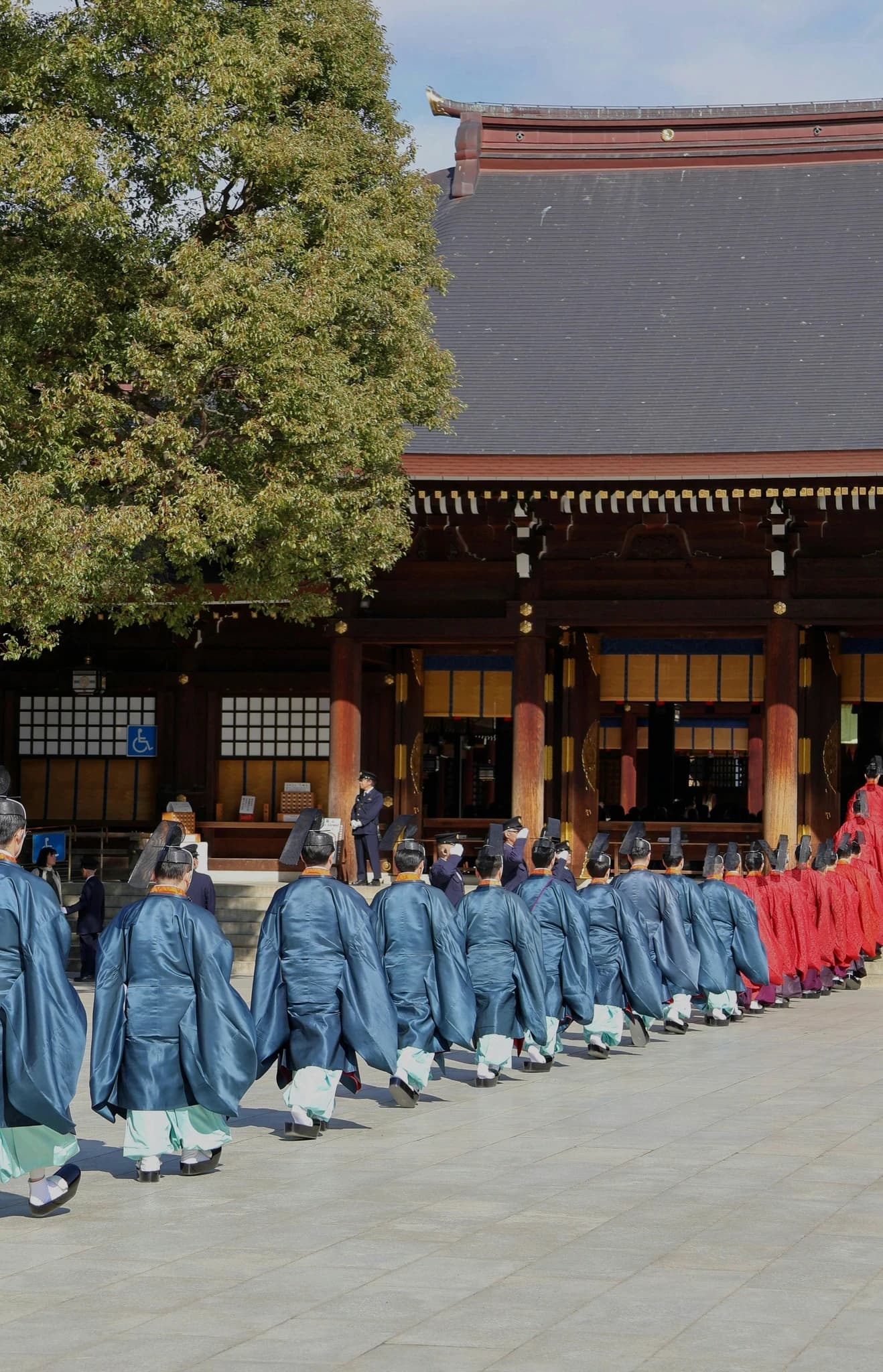
Hatsumode, the first shrine visit of the year, brings enormous crowds on January 1-3. Meiji Shrine alone gets 3+ million visitors over those three days. If you're in Tokyo for New Year's and want to see hatsumode, be ready for crowds and closures at the same time.
Many travelers skip tours from December 28-January 3 altogether and explore on their own, knowing most places are closed but the temples are open.
The Underrated Three-Day Weekends
Marine Day, Mountain Day, Sports Day, and Respect for the Aged Day give people a three-day weekend and cause very little disruption.
Four Holidays That Create Energy, Not Problems
These holidays were set up to spread tourism demand out and give workers regular breaks, and they do. Families head to the parks and cafés fill with locals. Aquariums put on special events for Marine Day, schools hold sports festivals around Sports Day, and Mountain Day sends hikers up Mt. Takao.
You get to see Tokyo when the people who live here have time off. Guides can still take you to neighborhood spots, restaurants stay open, and the tour picks up some local color.
Why You See More Locals (And Why That's Good)
Some first-time travelers steer clear of three-day weekends because they think any holiday is one to avoid. That's an overcorrection. One Monday off doesn't cause Golden Week closures.
What you will notice is more families in the parks, slightly longer lines at popular lunch spots, and weekend crowds on a Monday when you'd expect weekday quiet. For most travelers that's neutral or better, since you're watching Tokyo relax, with nothing shut.
Book 2-3 Weeks Ahead—Normal Timeline
Guide availability doesn't tighten on these holidays, so book on your usual timeline. If you're planning a tour for Marine Day (third Monday in July) and it's late June now, you have plenty of time.
The one exception is when a three-day weekend lands on top of something else, like cherry blossom peak or a major festival, and demand piles up. Check what else is on that weekend.
The Nine You'll Never Notice
The rest (Coming of Age Day, National Foundation Day, Emperor's Birthday, Vernal Equinox, Autumnal Equinox, Culture Day, Labor Thanksgiving Day) fall mid-week or go by quietly.
When a Holiday Doesn't Change Anything
These holidays don't bring travel surges or closures. Government offices close and private businesses carry on as normal, so nothing about the tour changes.
If one falls during your trip, you don't need to do anything different. Book tours, reserve restaurants, and plan the itinerary the same way you would on any other day.
Book on Your Normal Timeline
Our standard advice is 2-3 weeks, which leaves time to customize the itinerary.
None of these nine holidays changes that, so there's no need to book earlier or adjust your plans.
Booking Timeline by Holiday Type
Major holidays need earlier booking partly because guides need prep time, and partly because fewer of them are working.
| Holiday Tier | Booking Window | Why |
|---|---|---|
| Golden Week, Obon, New Year's | 30-45 days recommended | Limited guide supply (many take time off), slots fill faster than normal |
| Marine/Mountain/Sports/Respect for Aged | 2-3 weeks | Normal guide availability, no special constraints |
| Other 9 holidays | Normal (2-3 weeks) | No impact on guide availability |
Major Holidays: 30-45 Days Recommended
For Golden Week, Obon, and New Year's, book 30-45 days ahead when you can. The limit here is how many guides are available.
Many full-time guides take these weeks off to be with family, and with fewer guides, slots fill faster. In some years Golden Week is booked out 45-60 days ahead. In others, there's availability at the last minute.
The earlier you book, the better your chances of getting a guide. If you're booking 2-3 weeks out and there's availability, that's fine too.
Three-Day Weekends: 2-3 Weeks
Marine Day, Mountain Day, Sports Day, Respect for the Aged Day: book on the normal timeline. There's nothing special to prepare and everything is open.
The 2-3 weeks is there to give time to talk through and customize the itinerary. The holiday itself doesn't add any urgency.
Everything Else: Normal Timeline
For the other nine holidays, book whenever you normally would. For most travelers 2-3 weeks is comfortable.
What Actually Changes During Major Holidays
If you book a tour during Golden Week, Obon, or New Year's, this is what changes on the day.
From Neighborhood Spots to Tourist Zones That Stay Open
On a normal tour, your guide might take you to Yanaka's artisan workshops, a family-run soba shop in Kagurazaka, and a hidden coffee roaster in Jimbocho.
On a holiday tour, the guide switches to Asakusa's temple complex, the chain restaurants still open around Tsukiji, and Shibuya's shopping district. These places are open because they serve tourists all year, and the local places you would normally see are closed.
Why Holiday Tours Still Work
Guides who work major holidays already know which neighborhood spots stay open and which close, and they scout out alternatives to the small shops for those periods.
So you still get a guide who knows the city from the inside, on a route with more tourist zones and fewer hidden spots. For more on how guides prepare customized itineraries, see our Tokyo private tour planning guide.
What Stays the Same
How the tour works doesn't change: door-to-door service, pacing that suits you, a guide who handles navigation and explains the cultural context, and adjustments on the fly when your energy dips.
The difference is in where you go, with fewer neighborhood spots and more tourist zones. If you're fine with that, a tour during a major holiday works well. If off-circuit Tokyo is the whole point for you, move your dates if you can.
If Your Dates Are Locked
Some travelers can't avoid the major holidays. Business trips, school breaks, and flights already booked fix the dates. This is how to plan tours when you have no room to move.
Book As Early As Comfortable
If your Golden Week trip is 6-8 weeks away, book soon. If it's 3-4 weeks away, check availability now. Guides are scarce over the major holidays, and the earlier you book, the better your chances.
Don't hold off until your plans are final. If a guide is free when you check, take the slot. When you're ready to choose, see our selection of the best Tokyo private tours.
If you're short on time or planning late, you can check current availability for our private Tokyo tours here. All bookings are instant confirmation, so you won't be waiting on back-and-forth emails.
Tell Your Guide Constraints First
When you book, say it up front: "My dates are locked during Golden Week. I understand neighborhood spots may be closed. I'm interested in [specific focus] and open to tourist zones if that's what's accessible."
That lets the guide build an itinerary that will actually work, and it helps you know what to expect.
When DIY Might Work Better
If what you mainly want is neighborhood wandering, small local restaurants, and artisan workshops, those are exactly the places most likely to close over a major holiday. Think about whether a guided tour still adds enough.
During Golden Week you might do just as well spending the day at Meiji Shrine for hatsumode crowds, Shinjuku Gyoen for the park atmosphere, and Shibuya for people-watching. None of that needs a guide. You could save the tour for dates outside the holiday and explore on your own while things are closed. Our guide on when independent exploration makes more sense gives an honest view, and if the holiday version of a tour doesn't match what you're after, going it alone might suit you better.
Where Hinomaru One Fits
Our guides who work Golden Week and Obon already know which neighborhood spots stay open and which close, because they scout alternatives all year as part of preparing tours. That knowledge is why our holiday tours hold up. The usual booking windows apply (30-45 days recommended for major holidays), but slots go faster when fewer guides are working.
At Hinomaru One, we design unhurried, customized private Tokyo tours for first-time and returning travelers.