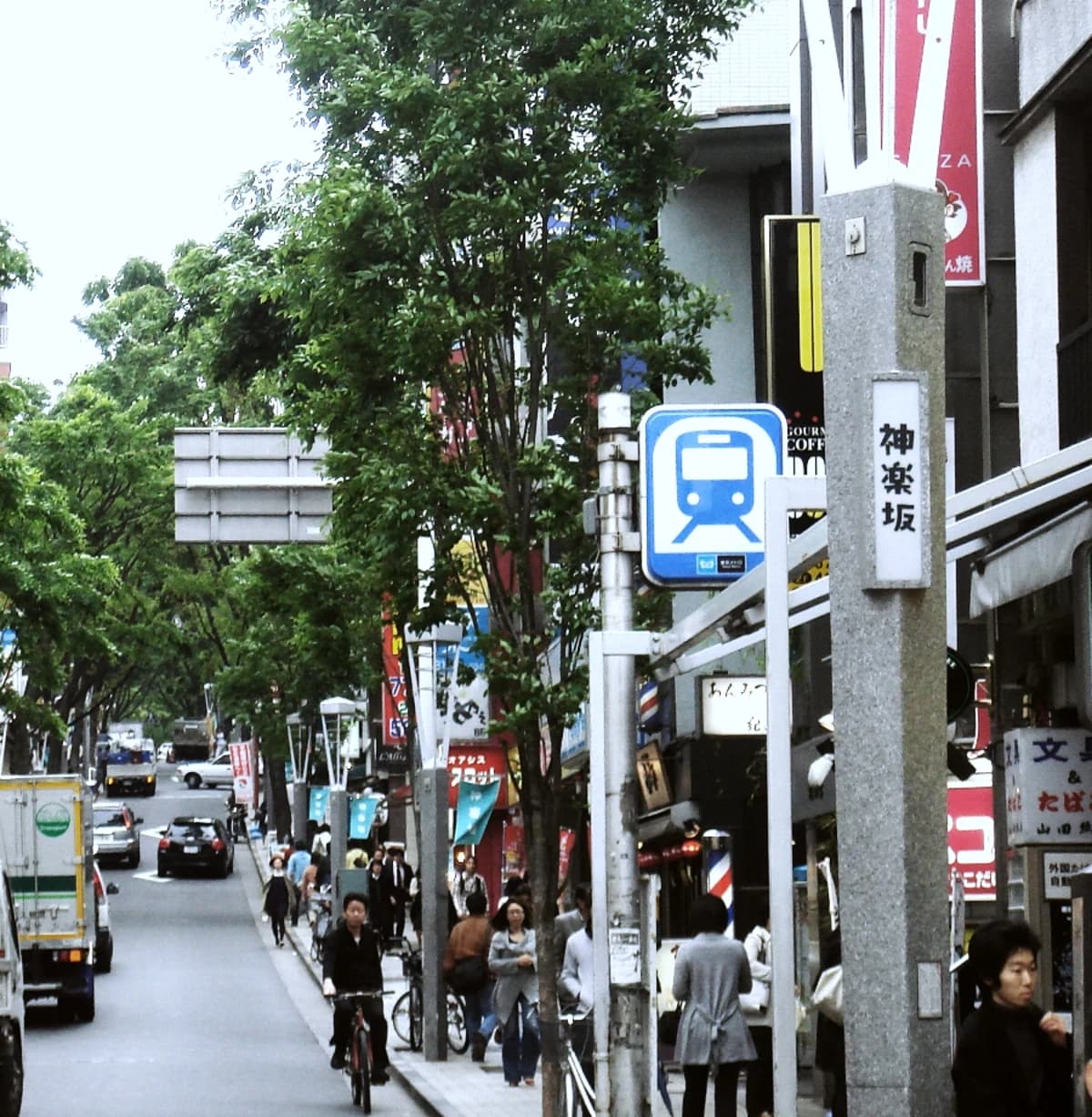
Kagurazaka sits on a hill in central Tokyo where geisha once walked between ryotei through stone-paved alleys so narrow that two people can barely pass each other. About 30 geisha still work here. So do several dozen French chefs.
This is the only neighborhood in Tokyo where you can eat a three-Michelin-star kaiseki dinner, then walk 200 meters and sit down to buckwheat galettes made by a chef from Brittany, in a converted Japanese townhouse, with cider shipped from Normandy. The French and Japanese layers don't clash. They settled into each other over decades, and the result is a neighborhood that feels unlike anywhere else in the city.
Most English-language guides give Kagurazaka two paragraphs and a photo of the main street. The main street is fine. The alleys behind it are why you should come.
The Geisha District That Didn't Disappear
Kagurazaka's story as a pleasure quarter starts with a temple. In 1793, Zenkokuji Temple moved to its current spot on the main slope after fires destroyed its previous location. The temple had been founded in 1595 under the patronage of Tokugawa Ieyasu, with a Bishamonten statue said to have originally been housed in Edo Castle. When it settled in Kagurazaka, the area around it developed as a monzenmachi, a temple-front town, drawing visitors, teahouses, and eventually geisha.
By the Meiji period (1868-1912), Kagurazaka had become one of Tokyo's six major hanamachi, its geisha district fully established with ryotei, meeting houses, and geisha residences packed into the narrow streets behind the main slope. At its peak, roughly 700 geisha were registered here. Literary figures like Ozaki Koyo and Natsume Soseki lived in the area, drawn by the combination of cultural refinement and lively nightlife.
The decline came gradually. The Great Kanto Earthquake of 1923 damaged the neighborhood. Air raids in 1945 destroyed much of it. In the postwar decades, corporate entertainment shifted away from the traditional ryotei-and-geisha model. Businessmen who once held client dinners in private tatami rooms at Kagurazaka ryotei started taking clients to hostess clubs in Ginza and Roppongi instead. Kabukicho, just two train stops away in Shinjuku, drew the late-night crowds that once came to Kagurazaka.
Other Tokyo geisha districts fared worse. Yanagibashi, across the Sumida River, lost its last geisha about 20 years ago and effectively ceased to exist as a hanamachi. Kagurazaka survived because it adapted without erasing itself.
The narrow alleys stayed narrow. The stone paving stayed. Some ryotei closed, but the buildings didn't get torn down for apartment blocks the way they did in most Tokyo neighborhoods. The old geisha infrastructure turned out to be perfect for a different kind of tenant: small, high-quality restaurants that thrive on intimacy and word-of-mouth rather than street visibility. A former geisha house with a six-person tatami room becomes a six-seat kaiseki counter. A tea house becomes a wine bar.
Today about 30 geisha remain active in the district, performing at the annual Kagurazaka Odori dance and appearing at local festivals and ryotei engagements. You won't see them on the main street. But if you walk through Geisha Shinmichi on a weekend evening, you might catch a glimpse of one moving between appointments, the sharp click of wooden geta on stone paving.
The Alleys Are the Point
The main drag, Kagurazaka-dori, runs uphill from Iidabashi Station toward Kagurazaka Station. It's a pleasant commercial street with shops and cafes. But the real Kagurazaka is the network of alleys branching off both sides of this slope, particularly on the north side.
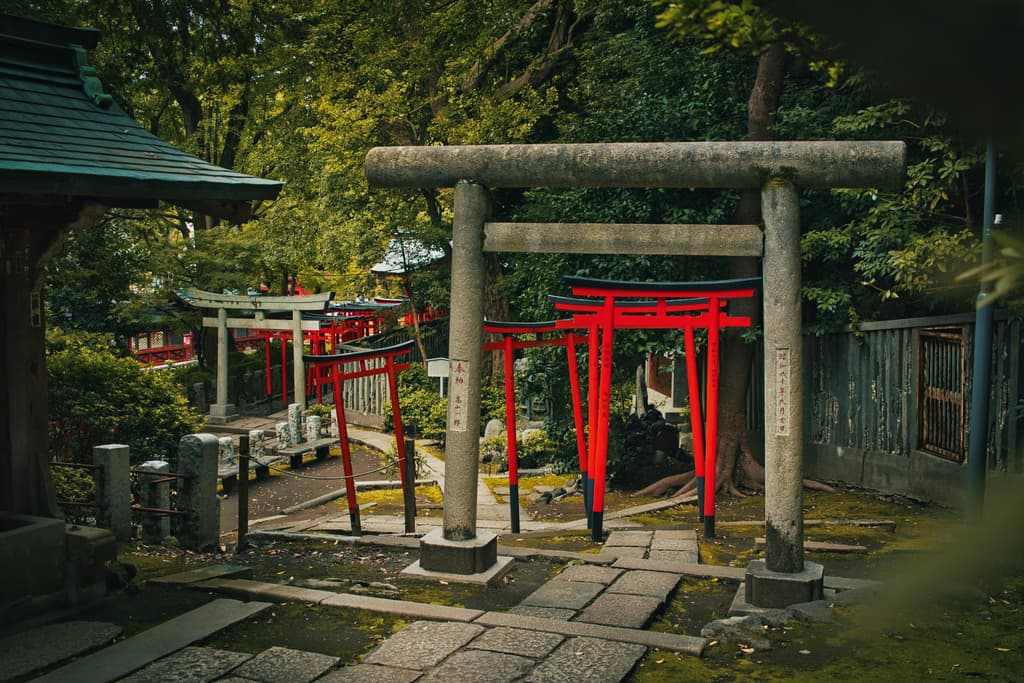
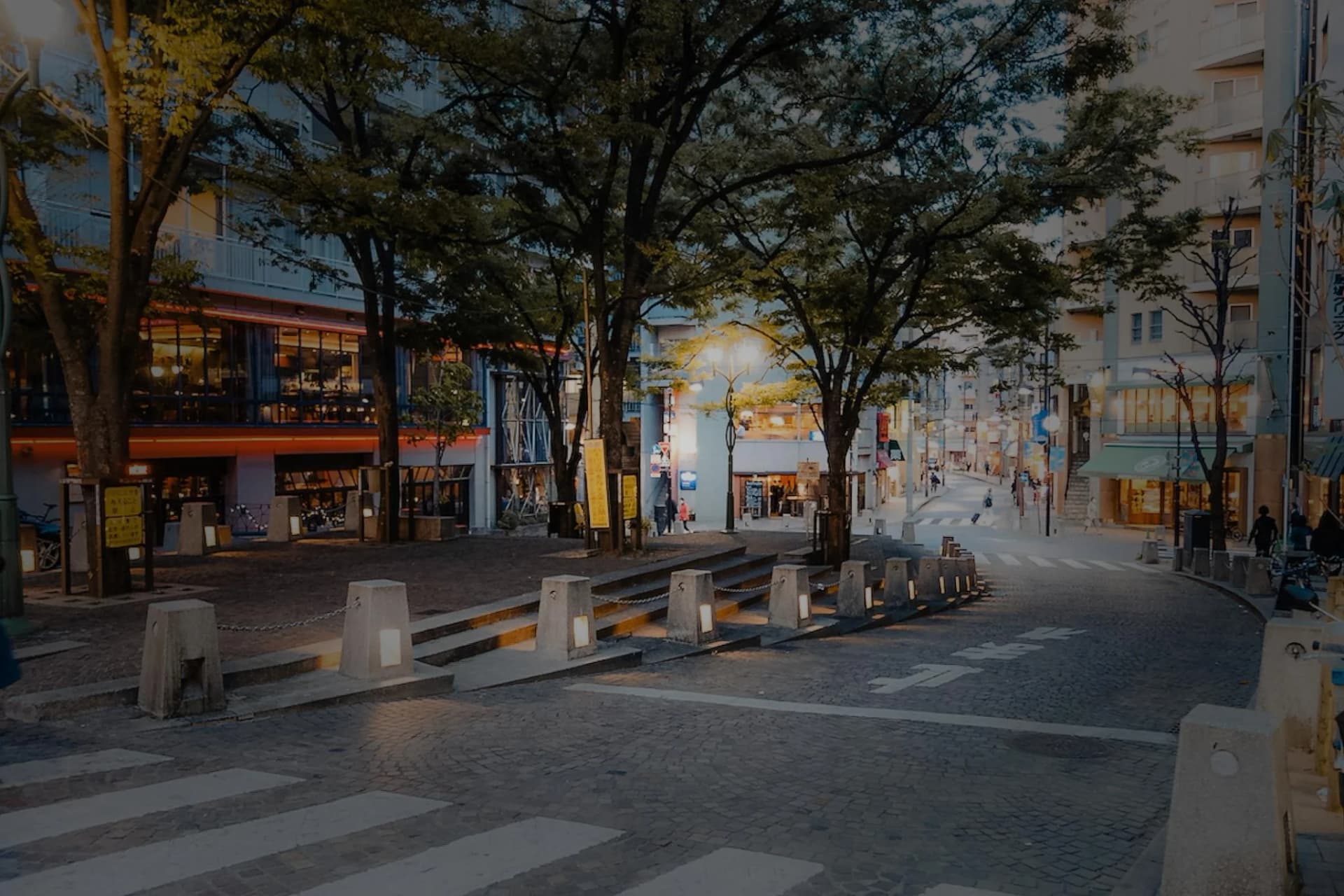
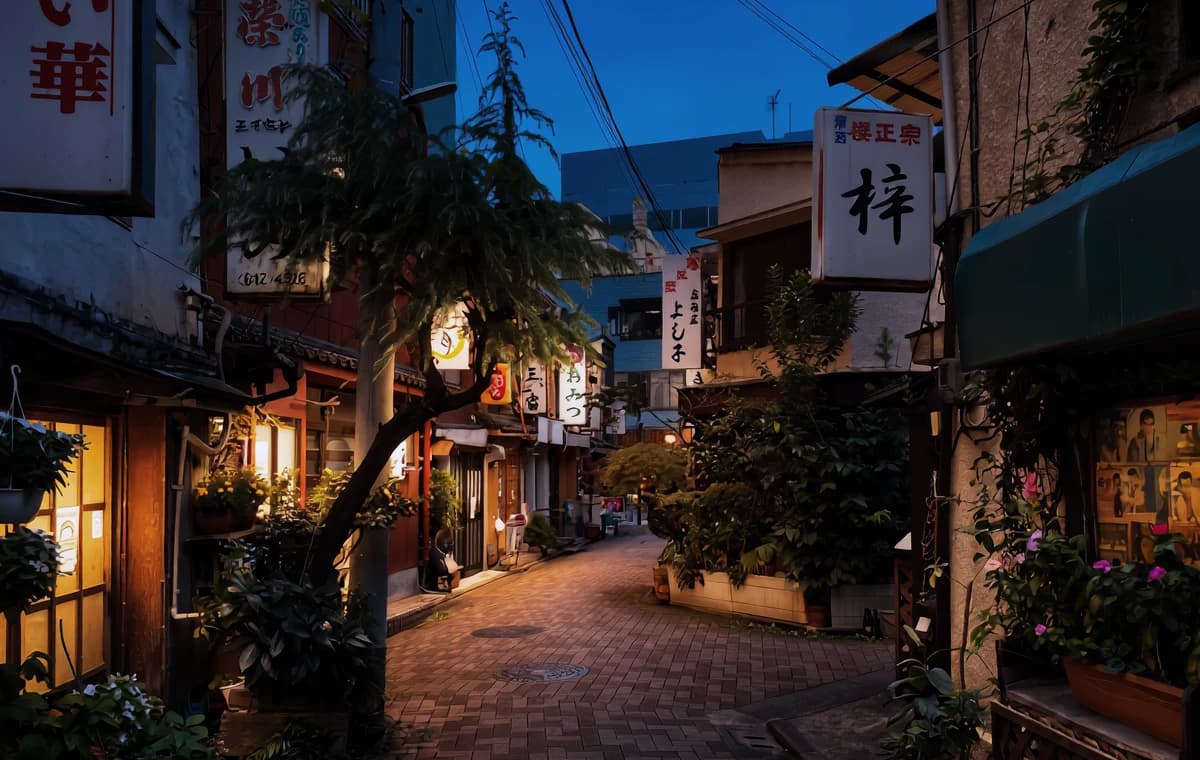
These are not alleyways in the gritty urban sense. They're stone-paved paths lined with black-plastered walls, wooden fences, and the occasional potted plant placed just so. Most are too narrow for cars. Some dead-end. Others connect to other alleys in ways that aren't obvious until you're already inside.
The Main Alleys
| Alley | What You'll Find | Why It Matters |
|---|---|---|
| Hyogo Yokocho | Stone-paved path with established ryotei and restaurants | Named after a Sengoku-period armory that once stood here. One of Kagurazaka's oldest paths. Winner of a Shinjuku Ward Streetscape Award. |
| Kakurenbo Yokocho | Curved alley connecting Nakadori to Hyogo Yokocho, lined with hidden restaurants | Name means "Hide-and-Seek Alley." The story goes that someone visiting incognito could lose a follower by ducking into its turns. |
| Geisha Shinmichi | Narrow path from Nakadori to Hondah Yokocho | The shortcut geisha used when moving between ryotei. Still used for that purpose today. |
What makes these alleys different from, say, the narrow streets of Golden Gai in Shinjuku, is the quietness. Golden Gai is cramped and loud and buzzing. Kagurazaka's alleys are calm. You hear your own footsteps. A cat might be sleeping on a wall. The restaurants don't have barkers outside trying to pull you in. Many don't even have menus posted. You either know the place or you don't.
The best approach is to walk up Kagurazaka-dori from Iidabashi Station, then turn left into any alley that catches your eye once you pass Zenkokuji Temple. You'll eventually connect to Hyogo Yokocho or Kakurenbo Yokocho. Getting slightly lost is the point.
If you prefer structure, walk up the main slope to the Bishamonten Zenkokuji Temple, pay a quick visit, then continue past the temple and take the first left. This puts you into the alley network. Work your way through Kakurenbo Yokocho toward Hyogo Yokocho, then loop back to the main street. The whole loop takes about 30 minutes if you're not stopping, but you will stop. There's always a restaurant entrance that makes you wonder what's inside, or a garden visible through a gap in a fence that makes you pause.
Why There Are French People Here
The French connection isn't random, and it isn't recent.
In 1952, the French government established the Institut Français de Tokyo (now Institut Français Tokyo, or Anstityu Furansu) in Kagurazaka as a language school and cultural center. French teachers and staff began living nearby. Then in 1975, the Lycée Franco-Japonais de Tokyo opened, providing French-curriculum schooling for expatriate children. French families clustered around these two institutions, and businesses followed: bakeries, cheese shops, wine bars, and restaurants run by French chefs who saw an opportunity to serve both the expat community and adventurous Japanese diners.
The Lycée relocated to Kita Ward (Takinogawa) in 2012 and was renamed Tokyo International French School. But by then, the French roots in Kagurazaka were 60 years deep. The bakeries stayed. The restaurants multiplied. The Institut Français remains on its original site, still hosting film screenings, language classes, and cultural events.
Today, walking through Kagurazaka's back streets, you'll pass a crêperie next to a soba shop, a fromagerie across from a wagashi store. On the side streets near the Institut Français, conversations in French float out of cafe windows. The boulangeries aren't serving croissants to Japanese tourists wanting a "Paris experience." They're serving bread to French families who live here and need somewhere to buy a baguette on Tuesday.
The French presence isn't a theme park version of Paris. It's the residue of a real community that's been here for over 70 years. And it created something that doesn't exist anywhere else: a neighborhood where the stone-paved alleys of a former geisha district are lined with both ryotei and bistros, and both feel equally at home.
Where to Eat
Kagurazaka has over 250 restaurants, which is a lot for an area you can walk across in 15 minutes. The concentration of quality is unusually high. Here are places worth knowing about, verified across multiple sources.
Japanese
Kagurazaka Ishikawa is the headliner. A kappō-style counter restaurant with three Michelin stars (maintained in the 2026 guide), it serves seasonal Japanese cuisine with meticulous preparation. The chef, Hideki Ishikawa, opened it in 2003. Reservations are difficult. This is the kind of place where a private guide with local connections can sometimes help with access.
Kohaku, opened in 2008 by a chef who trained at Ishikawa, holds two Michelin stars. It serves creative Japanese cuisine in a more contemporary setting.
For something more accessible, Kagurazaka's back alleys are full of small kappo and izakaya that don't appear in English-language guides. Many of these places seat eight to twelve people at a counter, serve whatever the chef bought at the market that morning, and close when the food runs out. They're the kind of restaurants that locals fiercely protect from overcrowding. Part of the appeal of exploring with someone who knows the neighborhood is finding the place that doesn't have a sign in English, or any sign at all. Our Timeless Tokyo experience includes time in neighborhoods like Kagurazaka precisely because the best things here aren't findable on Google Maps.
French
Le Bretagne (Bertrand Larcher Le Bretagne Kagurazaka) occupies a converted Japanese kominka townhouse in a back alley. The restaurant side serves full Brittany-inspired French cuisine, with fish soup and dishes built around buckwheat and apples, paired with natural cider. The cafe side, Café Crêperie Le Bretagne, offers galettes and crêpes. The interior was designed by Shinichiro Ogata. It's a restaurant that could only exist in Kagurazaka: French food in a Japanese house, and both elements feel completely natural.
The neighborhood has numerous other French restaurants, from bistros to wine bars, at various price points. Many of the chefs are French nationals who came for the Kagurazaka food scene and stayed. The density is high enough that you can simply walk the alleys and choose based on what looks good. On a weekday evening, the ratio of French to Japanese spoken in some of these restaurants approaches fifty-fifty.
Sweets and Wagashi
Kinozen is a 160-year-old sweet shop near the bottom of the slope, close to Iidabashi Station. It's famous for its matcha bavarois, a rich, smooth dessert that draws long lines. The shop uses matcha from Uji and beans from Tamba. It previously closed but reopened due to popular demand. Expect a numbered ticket system during busy periods.
Isuzu is a local wagashi shop known for its monaka (wafer crackers with sweet bean paste) and dorayaki.
Zenkokuji Temple and the Bishamonten
Zenkokuji deserves more than a passing mention. Founded in 1595 by Tokugawa Ieyasu for "the protection of the nation," it houses a Bishamonten statue counted among the Edo Three Bishamonten. The temple moved twice after fires before settling in Kagurazaka in 1793.
The stone tiger guardians at the entrance are distinctive. Bishamonten is associated with tigers in Japanese Buddhist iconography, so these replace the more common komainu (lion-dog) statues you see at most temples and shrines. The temple hosts monthly ennichi (festival days) and remains the spiritual anchor of the neighborhood.
Nearby, Tokyo Daijingu is one of Tokyo's most popular shrines for en-musubi (romantic matchmaking). Often called "Tokyo's Ise Shrine," it was established as a place where people in Tokyo could worship the Ise Grand Shrine deities without traveling to Mie Prefecture. It's a five-minute walk from Iidabashi Station and draws a steady stream of visitors, particularly young women, hoping for luck in love. The omamori (charms) here are specifically designed for romantic outcomes, and you'll often see couples visiting together.
Just south of Iidabashi Station, Koishikawa Korakuen is one of Tokyo's two surviving Edo-period daimyo gardens (the other being Rikugien in Bunkyo). Built in 1629 by the Mito branch of the Tokugawa family, it features a miniature landscape incorporating Chinese and Japanese design elements, including a recreation of West Lake in Hangzhou. It's a 10-minute walk from the bottom of Kagurazaka slope and makes a natural pairing with a Kagurazaka visit.
The Kagurazaka Festival and Awa Odori
Every late July, Kagurazaka-dori closes to traffic for the Kagurazaka Matsuri, a four-day summer festival. The first two days feature a hoozuki-ichi (Chinese lantern plant market). The last two nights are given over to Awa Odori, a high-energy dance form originally from Tokushima Prefecture.
Around 20 dance teams parade down the main slope from 7 PM to 9 PM on the final two evenings. The festival started in the mid-1970s (the 50th edition was held in 2024). A children's Awa Odori session runs from 6 PM to 7 PM on the final day. The local team, Kagurazaka Kagura-ren, is a fixture.
In late October, the neighborhood holds the Bakeneko Festival, a cat-costume parade inspired by the shapeshifting cat spirits (bakeneko) of Japanese folklore. Participants dress in cat costumes and parade through the streets. It's smaller and stranger than the summer festival, drawing a mix of families, cosplay enthusiasts, and locals who treat it as an annual tradition. If you happen to be in Tokyo during late October and want something other than Halloween bar crawls in Shibuya, the Bakeneko Festival is a genuinely unusual alternative.
If you're visiting in late July and want to experience the festival as part of a broader look at Tokyo's traditional culture, our Timeless Tokyo experience covers areas like Kagurazaka where old traditions still function as living culture rather than tourist displays.
Getting to Kagurazaka
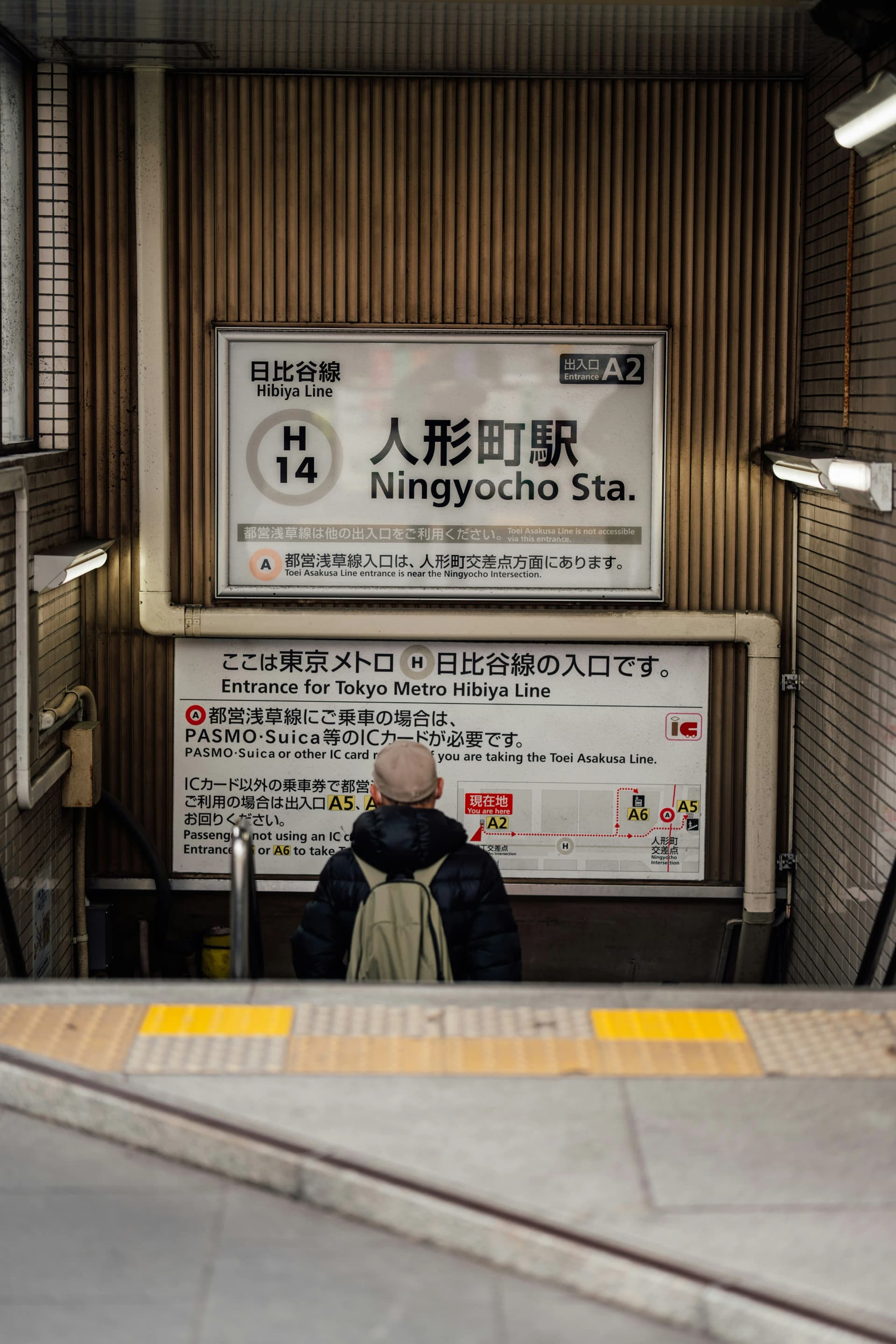
Iidabashi Station is the main access point. It's served by:
- JR Chuo-Sobu Line
- Tokyo Metro Tozai Line, Yurakucho Line, Namboku Line
- Toei Oedo Line
Exit from the west side (B3 exit for the metro) and you're at the bottom of the Kagurazaka slope. Walk uphill.
Kagurazaka Station (Tokyo Metro Tozai Line) puts you at the top of the slope, which is useful if you want to walk downhill through the alleys toward Iidabashi.
The walk from Iidabashi to Kagurazaka Station takes about 15 minutes at a normal pace without stops. With stops for alleys, temples, and food, plan two to four hours for a proper visit. The neighborhood is compact enough that you won't need transit once you're there. Everything is walkable.
One practical note: the slope is real. Kagurazaka means "entertainment slope," and it's steep enough that you'll feel it walking up from Iidabashi. If mobility is a concern, start at Kagurazaka Station at the top and walk downhill.
Combining Kagurazaka with Nearby Areas
Kagurazaka works well as a half-day stop combined with other central Tokyo areas:
- Imperial Palace is two stops away on the Tozai Line (Takebashi Station) or a 20-minute walk along the old Edo Castle moat. Walking this route takes you past Koishikawa Korakuen, one of Tokyo's finest Edo-period gardens.
- Akihabara is three stops on the JR Chuo-Sobu Line from Iidabashi. The contrast between Kagurazaka's quiet alleys and Akihabara's sensory overload is one of the sharpest in Tokyo.
- Yanaka shares Kagurazaka's old-Tokyo atmosphere but in a completely different register. Yanaka is temples, cemeteries, and pre-war wooden houses. Kagurazaka is alleys, ryotei, and French bistros. Both reward slow walking and resist hurrying. If you're drawn to traditional Tokyo, doing both gives you two very different versions of it.
A Note on the Main Street vs. the Back Streets
Most visitors who come to Kagurazaka walk up Kagurazaka-dori, look at the shops, maybe stop at Zenkokuji, and leave. They've seen Kagurazaka the way you'd see an iceberg from a ship: just the part above water.
The main street is commercial and pleasant but not particularly distinctive. It could be a nice shopping street in any upscale Tokyo neighborhood. The alleys are what make Kagurazaka singular. Once you step off the main slope into Kakurenbo Yokocho or Hyogo Yokocho, you're in a different world. The light changes. The noise drops. The architecture shifts from modern storefronts to wooden fences and plastered walls.
If you only have an hour, spend 15 minutes on the main street and 45 minutes in the alleys. If you have an afternoon, start at Iidabashi Station, walk the full slope, then spend two hours exploring the alley network on the north side. End with lunch or dinner at one of the restaurants you discovered along the way.
Who Kagurazaka Is For
Kagurazaka rewards a certain type of visitor. If you want neon, crowds, and the sensory bombardment that Tokyo is famous for, this isn't the neighborhood. If you want to wander stone-paved alleys, eat well, and feel like you've found a part of Tokyo that most tourists miss entirely, Kagurazaka is one of the best afternoons in the city.
It's particularly good for return visitors who've done the major sights and want something with more texture. It's also ideal for food-focused travelers, since the restaurant density per square meter is among the highest in Tokyo, and the average quality is remarkable.
Couples tend to love it. The intimate scale of the alleys, the quality of the dining, and the absence of tourist crowds make it one of the more romantic walks in Tokyo, though nobody markets it that way. The neighborhood doesn't try to be romantic. It just is, because the alleys are beautiful and quiet and you're usually the only people in them.
For first-time visitors who want to understand how a neighborhood like this works, the cultural layers it contains, and the stories behind the alleys, a private guide turns a pleasant walk into something you'll remember specifically. The difference between walking through Kagurazaka and understanding what you're walking through is significant, and it's the same gap we see in neighborhoods like Yanaka and Asakusa.
At Hinomaru One, we design culturally rich, stress-free private Tokyo tours for first-time and seasoned travelers. Unrushed. Insightful. Always customized.