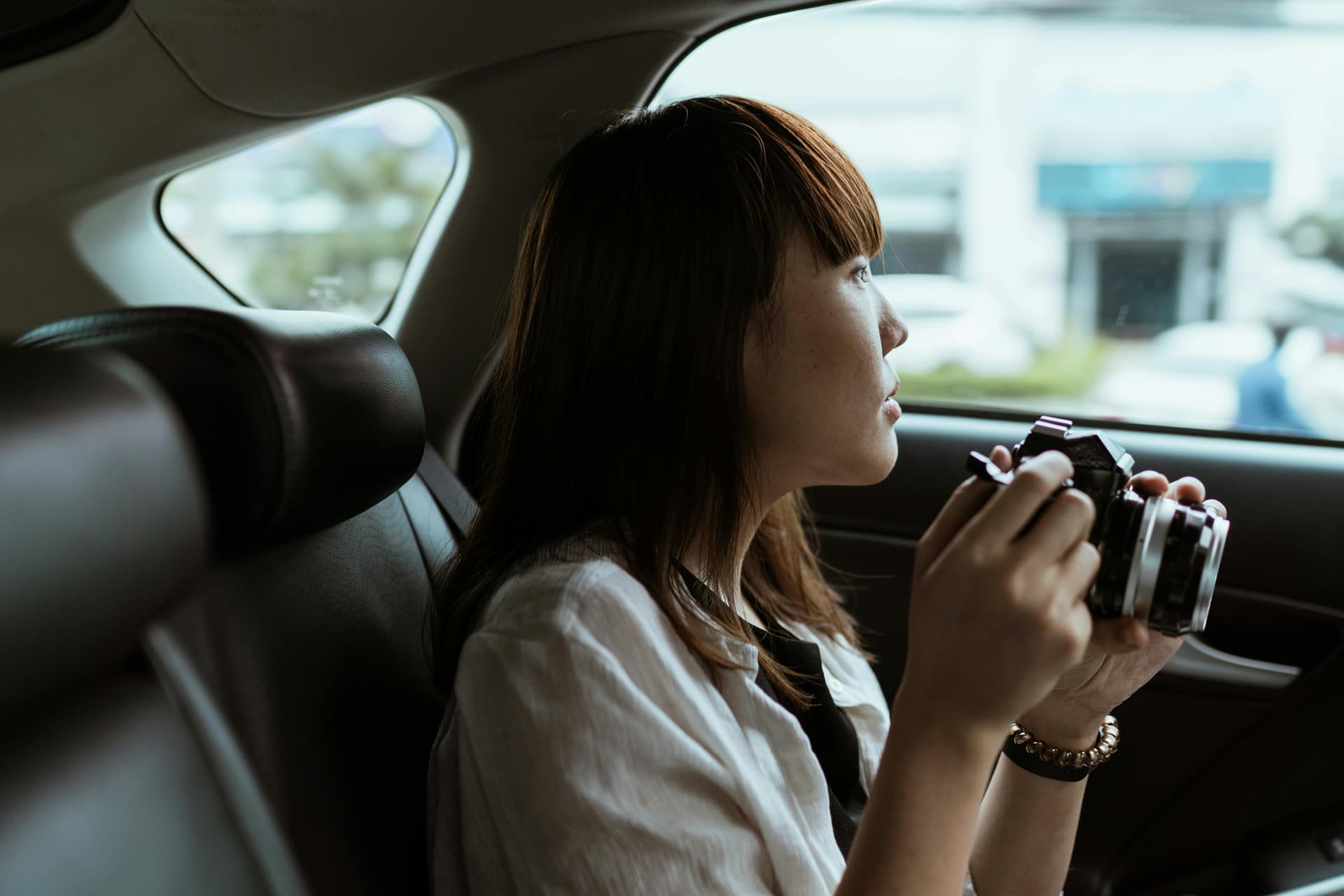
Solo travelers get more from private tours than groups do—full attention, introvert-friendly format, and framework that makes DIY days better.
Solo travel in Tokyo pays off with a particular kind of preparation. Solo travelers get more out of a private tour than groups do: the guide's full attention, a format that suits introverts, and a framework that makes your DIY days better.
You've done cities alone before. You can read a map, work out the trains, and find good restaurants without help. You can do Tokyo solo. What you're deciding is whether to spend your limited days getting around fine while understanding very little, or to actually know what you're looking at.
The Question You're Actually Asking
Why This Feels Different From Other Cities
Tokyo is easy to get around. The metro is logical, Google Maps works, and most tourist areas have English signs. Within 48 hours you'll be moving around on your own with confidence.
Getting around confidently is a separate thing from understanding what you see, though. You'll pass under Meiji Shrine's torii gate without knowing it stands for Japan's change from a feudal nation into a modern power. You'll walk by Akihabara's electronics shops without knowing they grew out of post-war innovation clusters. And the conveyor belt sushi you settle for might be two streets from izakayas serving regional specialties that you never find. That missing context adds up a little more every day.
The Real Cost Isn't the Tour Price
A private full-day tour costs $500-600 for one person, about two days of a mid-range Tokyo budget. (Our Tokyo private tour pricing guide breaks the pricing down in detail.)
So set "Can I afford $600?" next to a second question: what does it cost you to spend your first 2-3 days getting around competently while taking in very little?
Most solo travelers spend their first two days learning the metro, working out how the neighborhoods fit together, and making common tourist mistakes. By day three they're efficient. On a 3-5 day trip, though, that learning curve eats 40-66% of your time in Tokyo.
Two Days You Won't Get Back
The Metro Isn't Your Problem
Tokyo's metro has 13 lines and 285 stations. You'll have it figured out in about two days, and by day three you'll ride it with confidence.
Until then, your head is busy with "which exit for Shibuya Crossing?" when it could be on "why is this neighborhood here at all?"
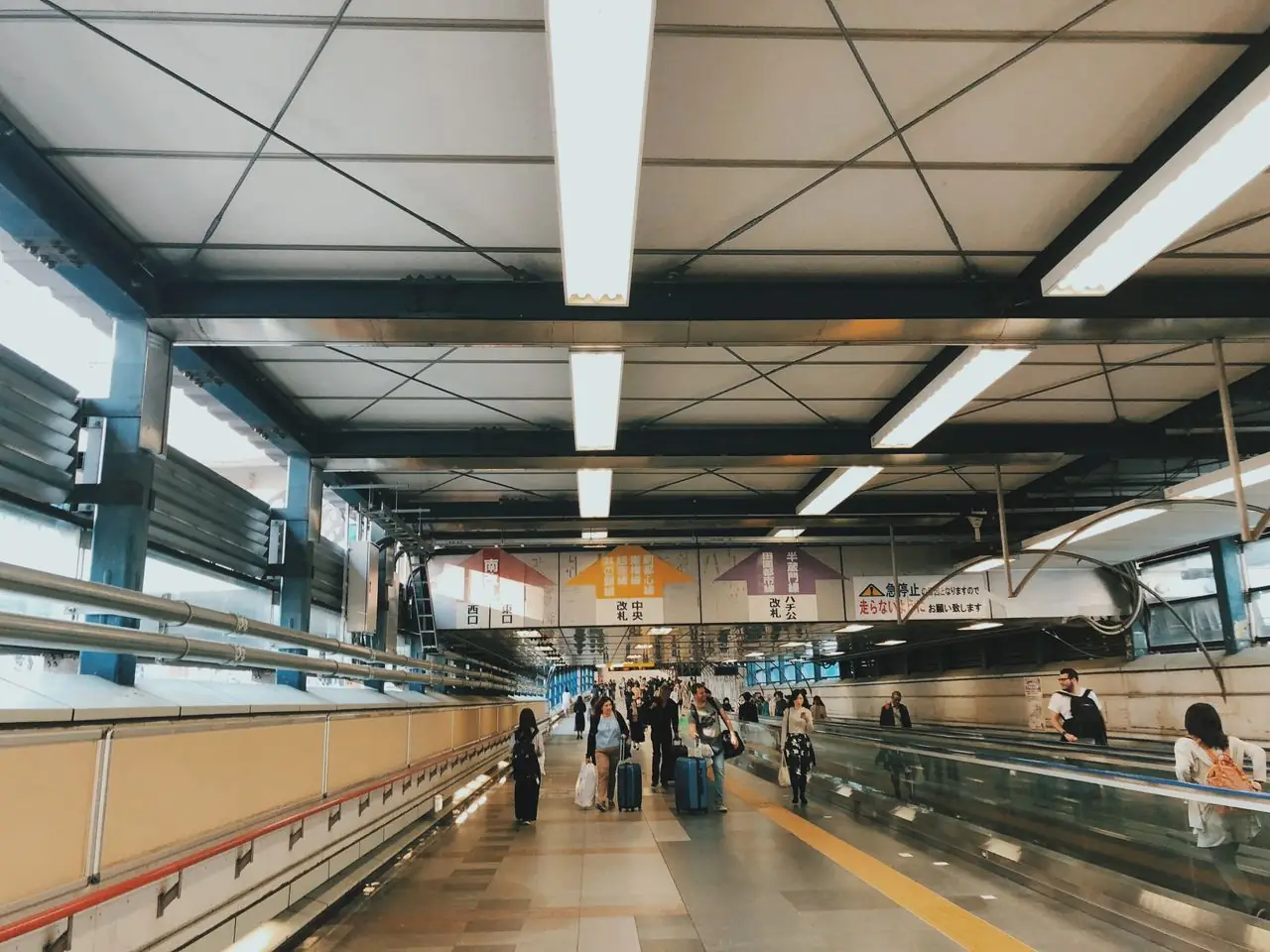
What the First 48 Hours Actually Cost
It tends to go the same way. Days 1-2 feel tentative, while you learn the metro, try restaurants, and build a picture of the city. Days 3-5 feel confident, with quicker movement, better choices, and real exploring.
On a trip of 5+ days, that works out fine: two days of setup and three of payoff. On a 3-day trip, you leave just as you're getting good at it.
Nobody skips those 48 hours of orientation, but on a short trip they take up two-thirds of your time, and you might not want to make that trade.
Why Day One With a Guide Changes Day Two Alone
Travel expert Chris Rowthorn puts it simply: "Hiring a guide for a six-hour tour on your first day will give you the confidence to explore on following days on your own."
A guide on day one gives you:
-
Neighborhood mental models: how Shinjuku is laid out, where Asakusa begins and ends, where tourists bunch up and where locals eat
-
Metro confidence: which line, and also which exit drops you where you want to be
-
Cultural fluency baselines: how to order, where to stand, what gestures mean
-
Decision frameworks: patterns you'll keep using for the rest of the trip
Solo travelers who start with a guide say their DIY days get more done, because by then they're using the systems instead of still working them out.
The Introvert Math Actually Works
What Group Tour "Socializing" Actually Requires
Group tours run 15-20 people. Many of them are traveling solo too, so you won't be the only one.
Fitting in still takes effort. Tour operators say "you have to ask" if you want to sit with others at meals. The format gives you the opportunity to be included, and you have to do the social work to take it.
Then come the icebreakers: Two Truths and a Lie, Hello My Name Is (where you recall everyone's introduction in order), Icebreaker Bingo, Speed Networking with 2-minute rotating conversations. Extroverts enjoy them. For introverts, they're tiring before the tour has even started.
Private Doesn't Mean Performing
As one solo travel blogger put it: "Spending the day with 30 strangers can be extremely draining... splurge on a private tour... it might be worth it for you to feel better during your trip."
Conversation on a private tour works differently. You don't have to remember names and facts about 18 strangers, keep your energy up for the group, find things in common with people you'll never see again, or work out who sits where at lunch.
With a private guide, you ask what you want to know: "What's that building?" "Why is this neighborhood laid out this way?" "Where do locals eat?"
You set the pace of the talking. Some guides read the mood and stay quiet, and others love to chat. Either way you don't have to perform or keep anyone entertained. There's more on what it's like touring with a private guide.
What $600 Actually Buys (And What It Doesn't)
The Real Budget Math
A mid-range Tokyo trip runs about $180/day ($540 for 3 days, $900 for 5).
Hinomaru One private tours for solo travelers:
| Duration | Price |
|---|---|
| 4 hours (Tokyo Trifecta) | $300 |
| 6 hours (Tokyo Essentials) | $400 |
| 8 hours (Infinite Tokyo) | $500 |
For one person, an 8-hour tour comes to roughly 2.8 days of a 3-day trip budget, or about half a day's worth on a 5-day budget.
So ask yourself if understanding Tokyo is worth that share of your budget, compared with getting around without the background. We go into that tradeoff in are private tours in Tokyo worth it.
With 5+ days and a tight budget, DIY makes sense. With 3 days, if understanding matters to you, the numbers look different.
Decision Fatigue Has a Cost Too
Solo travelers most often describe guided days as a relief: "I didn't realize how exhausting it was making every single decision until I didn't have to anymore."
Each decision takes a little out of you. Which exit? Is this restaurant good, or a tourist trap? Asakusa or Meiji Shrine first? When are the crowds thinner? Did I just do something rude?
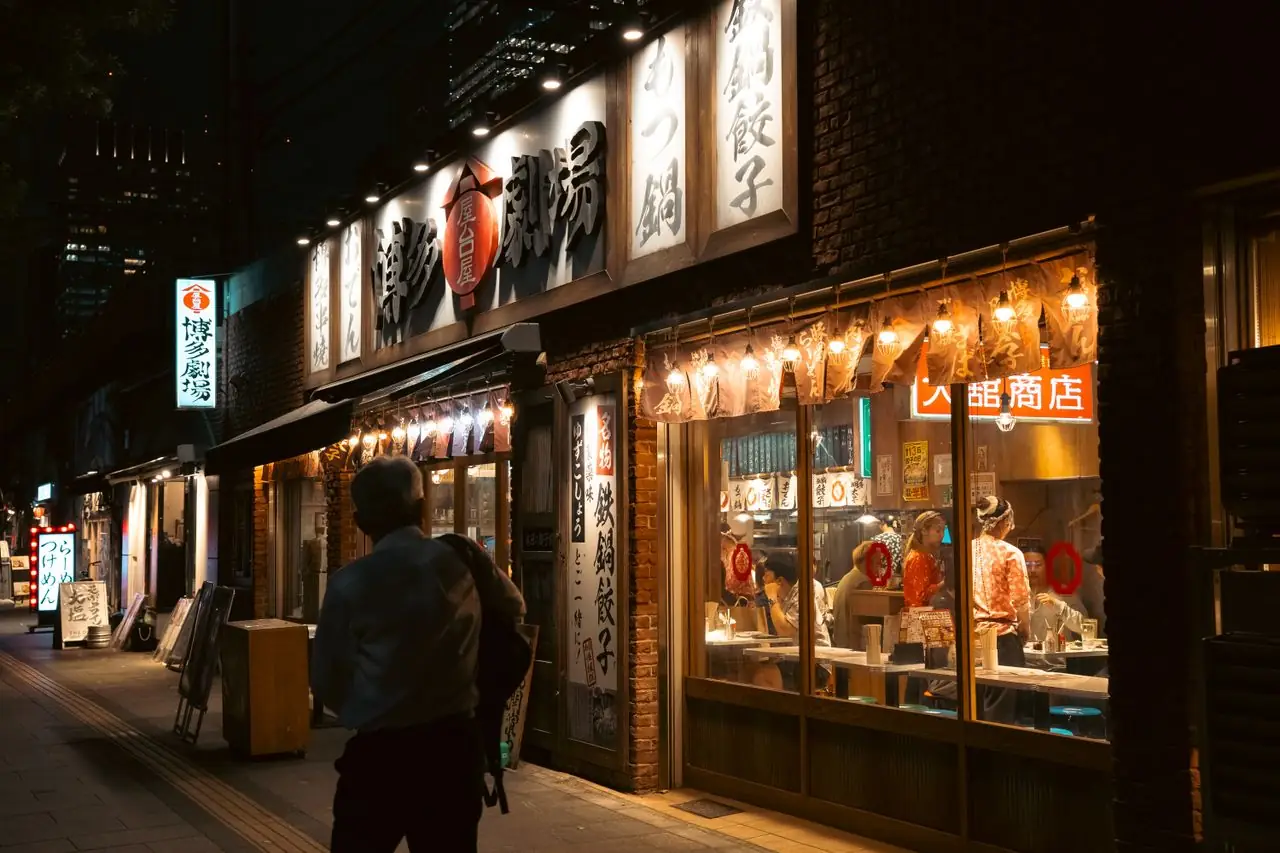
On a DIY day you make 200+ small decisions like these. Together they build a low hum of anxiety you don't notice until a guide takes it away.
You can handle them fine. The trouble is that your few vacation days go on logistics instead of the trip itself.
When You Should Skip This
Four Situations Where DIY Makes More Sense
Have 10+ days in Tokyo. With that much time, the learning curve doesn't hurt. Days 1-2 go on orientation and days 3-10 are the payoff.
Genuinely tight budget. If $400-500 is more than 20% of your whole trip budget, go DIY. Context is worth having, but not at the price of money stress.
Repeat visitor who already understands Tokyo's cultural architecture. If you've been before and already understand how the neighborhoods work, what the temples mean, and the cultural basics, a guide adds less.
Primary goal is solitude and personal reflection. Some solo travelers want as much time alone as possible, and talking with a guide all day isn't that. If solitude is the point, exploring alone gives you more of it than any tour. We also cover when you don't need a private tour in Tokyo separately.
Who This Is Actually For
A private tour makes sense if you:
-
Have 3-5 days (the learning curve would take too much of them)
-
Are a first-time visitor (with no cultural framework yet)
-
Care about understanding what you see, as well as seeing it
-
Have some room in the budget ($400-500 without stress)
-
Are introverted (and prefer deep focus to group dynamics)
Tours suit people who can cope perfectly well on their own but would rather spend 8 hours building a framework and then 48 hours exploring with it than spend 48 hours mastering the metro.
Making the Call
Three Questions That Matter
How many days do you have? With 2-3 days, a tour on day 1 gets the most out of the rest. With 4-5 days, it could go either way. With 6+ days, DIY works fine, since you have time for the learning curve. Our tour duration guide goes through timing in detail.
What's your success metric? If it's "I saw the major sights efficiently," DIY gets you there. If it's "I understand what I saw and why it matters," a tour does that. If you want as much time alone as possible, DIY is better.
What's your relationship with decision fatigue? If constant small decisions energize you, DIY suits you. If logistics wear you out, a tour takes that weight off.
If you answered short trip, understanding matters, and decisions drain you, then a private tour is a sensible use of limited time.
Half-Day vs. Full-Day for Solo Travelers
Half-day works if:
-
Your main goal is the framework (mental models, neighborhood orientation, cultural basics)
-
You want a guided introduction and as much DIY time as possible after it
-
Budget is tight but you still want some context
Full-day works if:
-
You want to cover a lot (several neighborhoods, in some depth)
-
Your trip is only 3 days (so you get the most from the tour)
-
Decision fatigue hits you hard (a full day takes most of the logistics off your plate)
Most first-time solo travelers with 3-5 days pick 6-8 hours. That's enough to build the framework and still cover a lot of ground, so the DIY days afterwards feel informed instead of tentative.
What Happens Next
If you decide a tour makes sense:
Booking window: At least 18 hours before the tour. In peak season (late March-April for cherry blossoms, November for autumn leaves), book 2-4 weeks ahead. You get instant confirmation when you book.
What to have ready: Your Tokyo dates and free times, your interests (food, temples, architecture, neighborhoods, particular sights), your mobility level (how much walking you're comfortable with), and any dietary restrictions if you're booking a food-focused tour.
Hinomaru One customizes every tour, and there's no pre-built itinerary. You tell us what you're into, and we design the day around it.
Pre-Booking Checklist for Solo Travelers
Before you book, have these ready:
Essential Information:
- Your Tokyo dates and which days you're available for a tour
- Hotel/accommodation address (for pickup)
- Preferred start time (morning vs afternoon)
- Tour duration preference (4, 6, or 8 hours)
Interests to Share:
- Primary interests (food, history, architecture, pop culture, photography, etc.)
- Specific neighborhoods or sites you definitely want to see
- Things you want to skip (temples, crowds, shopping, etc.)
- Pace preference (active exploration vs relaxed with breaks)
Practical Considerations:
- Mobility level: how much walking are you comfortable with? (Walking expectations guide)
- Dietary restrictions or allergies (if booking food-focused tour)
- Photography priority level (casual snaps vs dedicated photo opportunities)
- Budget for food/experiences during tour (guide can calibrate recommendations)
For Introverts:
- Do you prefer more or less conversation during the day?
- Are you comfortable with shared meals, or prefer solo dining time?
- Do you need built-in quiet time or solo exploration breaks?
Questions to Ask Before Confirming:
- Who specifically will be my guide? (Name, background)
- Can I see their style/approach? (Video if available)
- What's the backup plan if I want to end early or adjust mid-tour?
- How will we communicate on tour day if plans change?
If you share all this upfront, your guide turns up with a day planned for you.
Frequently Asked Questions
Is a private tour worth it for just one person?
Yes, if your time is short (3-5 days) or you want to do things that need Japanese. You get the guide's undivided attention, so nobody else's pace or interests pull the day around. It costs more per person than a group tour, and in return the day is built entirely around you.
Will I feel awkward being alone with a guide all day?
Most solo travelers find it isn't awkward at all. It feels more like exploring with a friend who knows the place. Good guides read your energy and talk more or less to match. If you'd like quiet exploring with the occasional bit of background, say so at the start.
What if I'm an introvert?
Mention it when you book. Guides can give you context when it's useful and leave you in comfortable silence when it isn't. You can ask for more time to just look, less forced conversation, and solo breaks built into the day. Being an introvert won't get in the way; it just changes how the day runs.
How much does a solo private tour cost?
Expect $400-550 for a full day (6-8 hours). Couples pay the same base rate, so as a solo traveler you carry the whole cost instead of splitting it. That's a real expense, and it buys a day you couldn't put together on your own.
Can I end the tour early if I want alone time?
Yes. Just mention at the start that you might. Most guides are happy to adjust partway through, whether that means finishing early, taking a break, or changing plans. You're not locked into every minute.
Ready to Book?
If you'd like the freedom of traveling solo along with what a local guide can show you, a private tour lets you see Tokyo on your own terms.