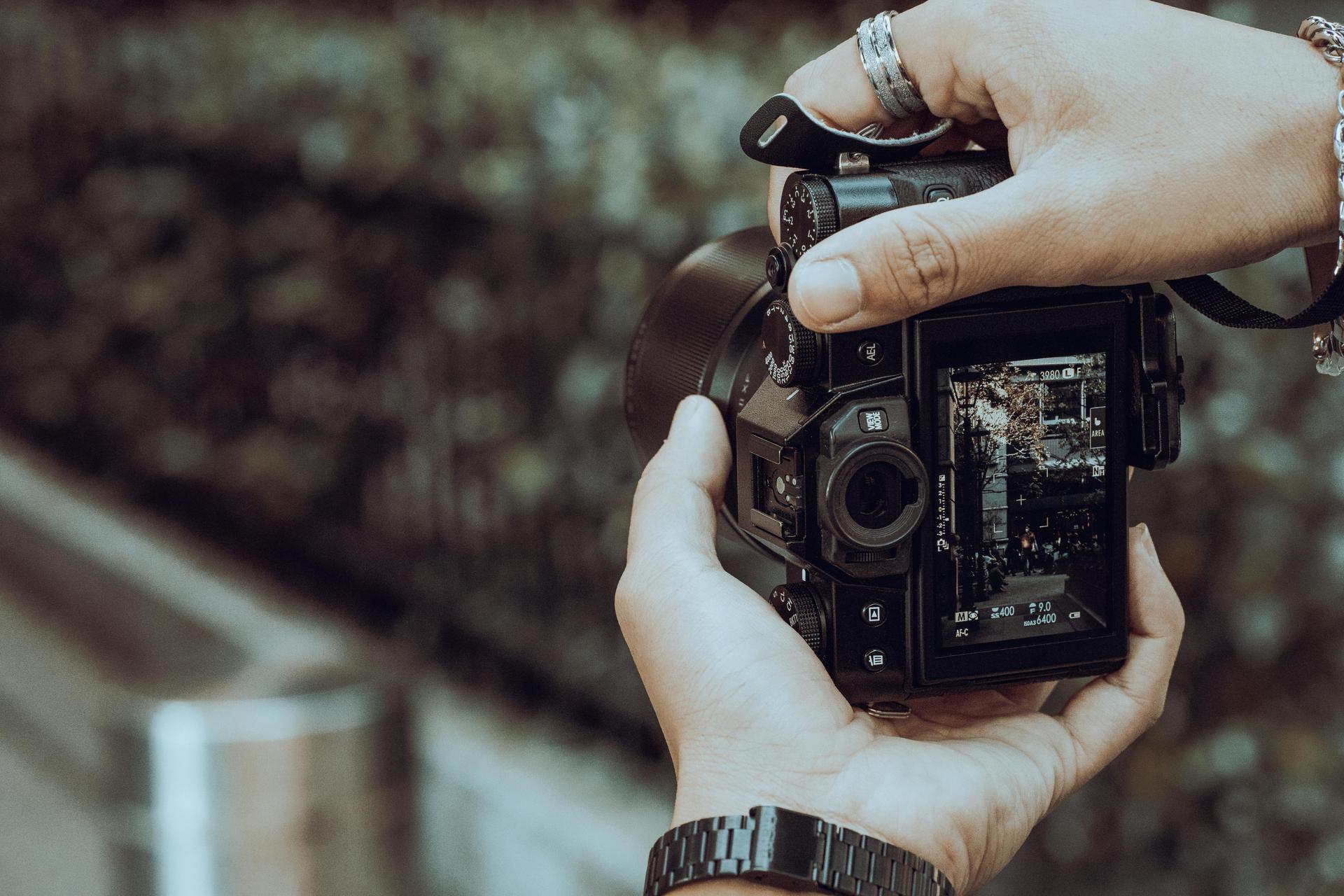
The hard part isn't knowing WHERE to shoot — it's having permission to WAIT there while light and crowds cooperate.
Tokyo photography rewards patience more than movement. The best shots come from staying at one location through golden hour, blue hour, or a gap in the crowd, instead of rushing between landmarks.
This page is for photographers who already know that timing, light, and access decide whether you come home with snapshots or with portfolio images.
The Efficiency Problem
Normal tours are built for efficiency: five neighborhoods, the highlights, then on to the next place.
Photography runs the other way. You stand at Shibuya Crossing for 30 minutes watching the crowd cycle. You wait for the light to shift and for a composition to clear. You come back to the same spot in different conditions.
A photography-focused tour gives you permission to wait at the places that matter, even if it means seeing fewer sights. Our walking Tokyo guide covers some of the same ground, since the train-and-walk rhythm that sets your pace also decides your light and timing.
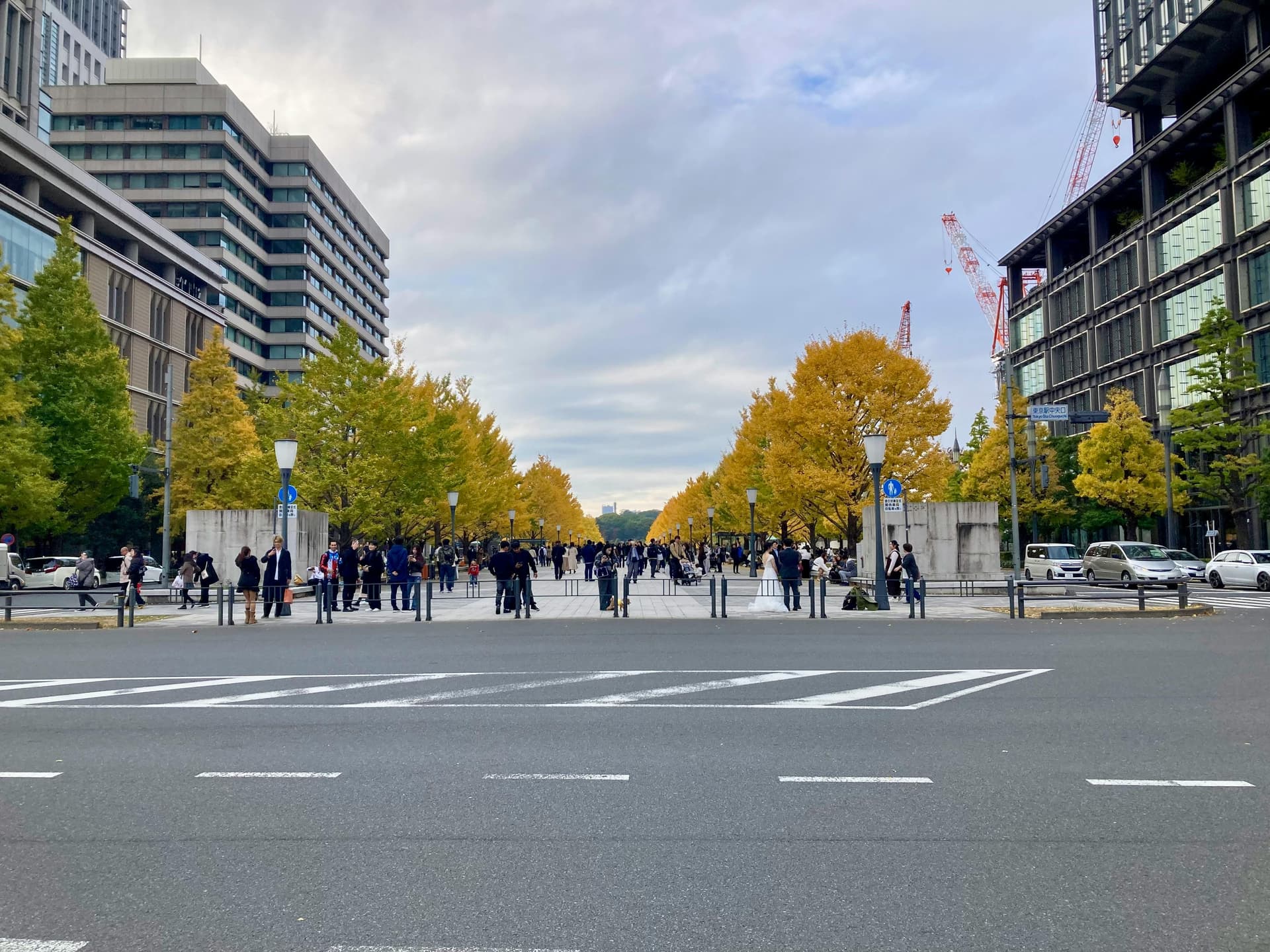
You won't get an empty Tokyo at 2 PM on a Saturday. You can work with the crowd patterns, though. A gap in the pedestrian flow lasts a few seconds, and you only catch it if you're set up and ready before it opens. A slower, patience-based tour gives you the time and the position to do that.
Why "Photography Tour" Means Three Different Things
Search for a photography tour in Tokyo and you'll find three different services sold under the same name:
-
Portrait sessions. A photographer shoots YOU against Tokyo backdrops, so you're the subject and someone else holds the camera.
-
Instruction workshops. A guide teaches camera skills such as aperture, shutter speed, and composition. You're there to learn technique.
-
Facilitation tours. Help with logistics and timing so YOU can shoot. You already know your camera and want someone who knows the city.
Most "photography tours" are the second kind, and they assume you want lessons.
The Instruction Assumption
Instruction tours teach you how to use your camera, from aperture and ISO to basic composition. If you want technical guidance, that's a good fit.
If you already know your camera and have shot in difficult conditions before, lessons won't help much. You need someone who knows which temple is open at sunrise, whether the observation deck allows tripods, and how to get to Asakusa before the first train runs.
What Facilitation Looks Like
With facilitation, the guide handles timing, access, and transport while you concentrate on your shots.
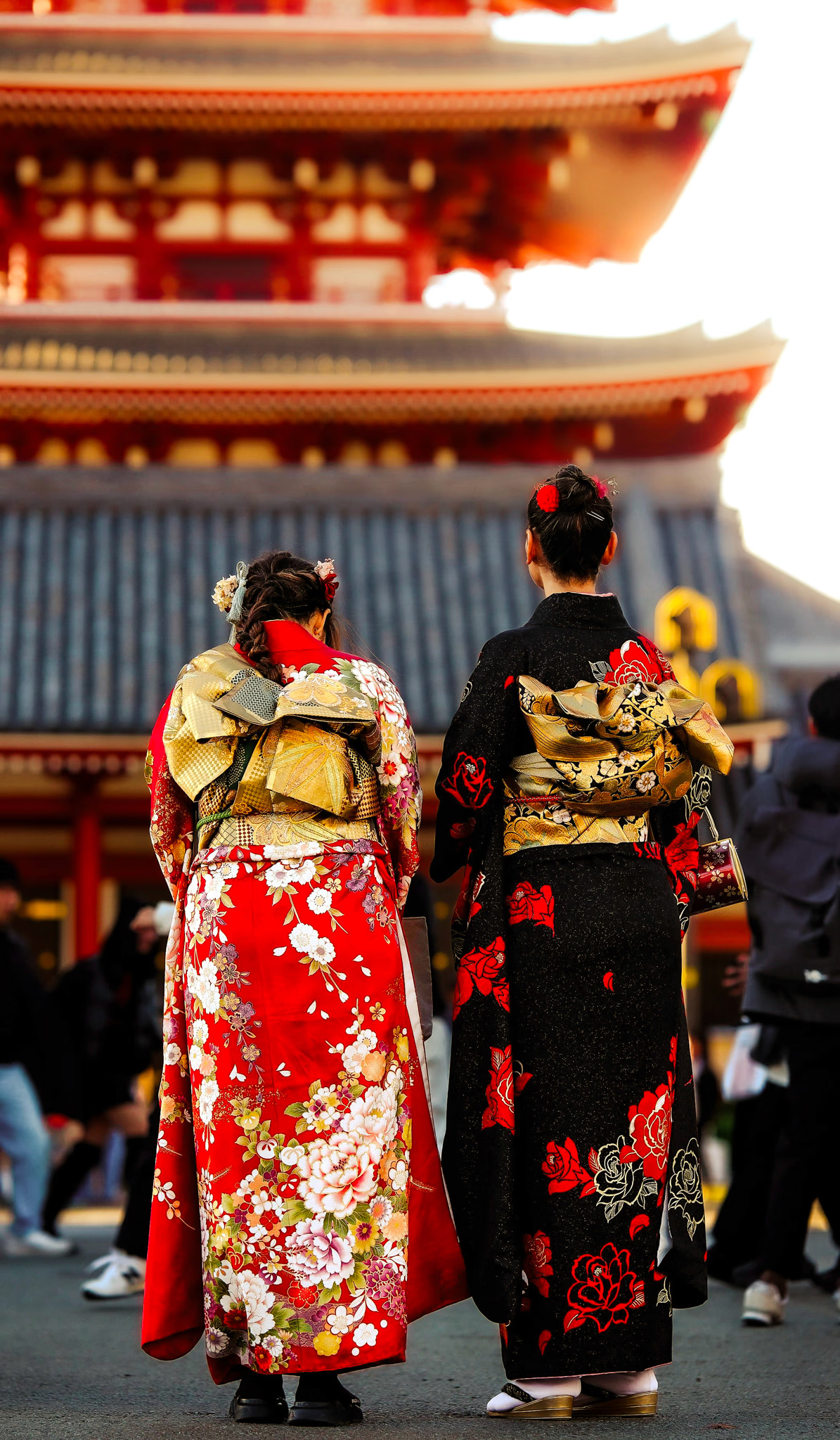
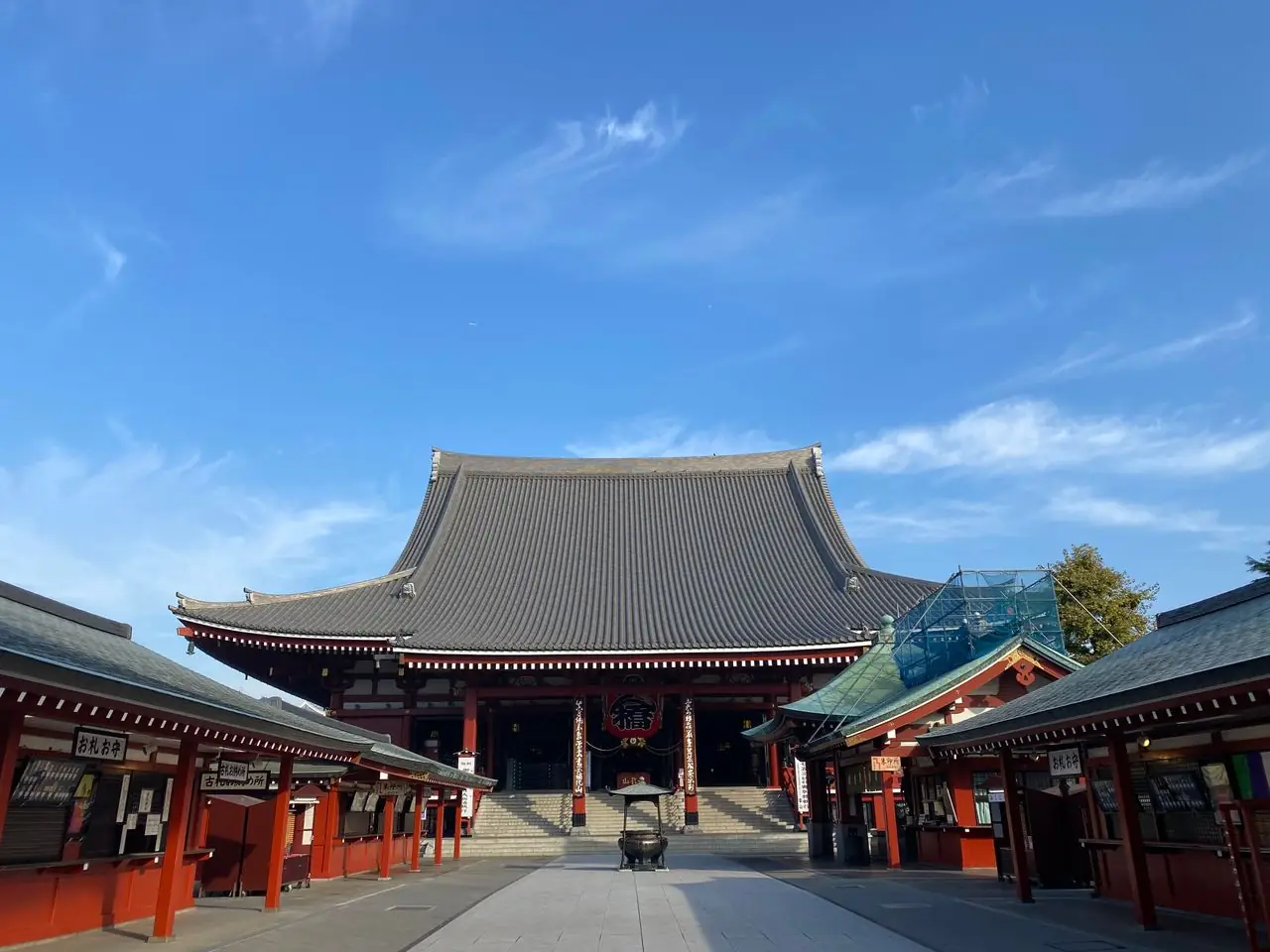
At Sensō-ji, that means arriving at 5:30 AM while the grounds are empty. It also means knowing which observation decks ban tripods, and, at crowded spots, when the gaps come and how the flow changes, so you're already in position when the moment arrives.
Before deciding whether you need a photography tour, work out what kind of help you actually want.
What the Schedule Actually Looks Like
We build the schedule around the light, even when that's inconvenient.
The 5 AM Reality
Shooting sunrise in Tokyo means early starts. In mid-June the sun comes up as early as 4:25 AM. In early January it's around 6:45 AM.
The catch is that Tokyo's first trains start around 4:45 AM on the Yamanote Line, and subways around 5:00 AM. If you need to be in position before sunrise, you'll need a taxi. GO, the most-used taxi app in Japan, takes reservations from 15 minutes to 7 days ahead, which is handy for a pickup you can count on before dawn.
A pre-dawn taxi from Shinjuku to Asakusa costs roughly ¥3,000-4,000, including the 20% late-night surcharge that applies until 5:00 AM. For that you get Sensō-ji's grounds at 5:30 AM, quiet and nearly empty. After 8:00 AM it fills up.
Why Midday Breaks Exist
Harsh overhead light throws unflattering shadows on most subjects, and by then you've been carrying gear since before dawn. A 3-4 hour break gives you time to rest, eat, and go through your images before the afternoon session.
Some subjects are the exception. Tokyo's glass high-rises work like giant reflectors and can soften midday light, and narrow alleys only get sun when it's directly overhead. If your subjects suit direct light, midday is still worth shooting.
Blue Hour Math
Blue hour in Tokyo lasts 20-30 minutes after sunset, which is shorter than many photographers expect. At 35.69° latitude, the change from daylight to dark happens quickly.
You have to plan for it. If sunset is at 4:45 PM in December, blue hour is over by 5:15 PM, and after that you're shooting in full darkness. People rarely get there too early. The usual mistakes are packing up after golden hour and missing blue hour completely, or turning up "on time" when they're already late.
A day that covers several conditions (sunrise, midday, blue hour, and night) needs at least 8 hours of tour time. One condition, say sunrise alone or blue hour into night, fits in 3-4 hours. We go into how time of day shapes Tokyo touring in a separate guide.
Tripods and Access: The Real Constraints
Every photographer planning Tokyo asks where they can actually use a tripod. There are fewer places than you'd think.
Nearly every major observation deck bans them: Skytree, Tokyo Tower, the TMG Building, and the Shibuya Sky rooftop. Sunshine 60 in Ikebukuro is the exception and allows them. Shibuya Sky lets you use one on the enclosed Level 45, though not on the open roof. The decks all open at 10:00-11:00 AM anyway, so sunrise from up high isn't on the table.
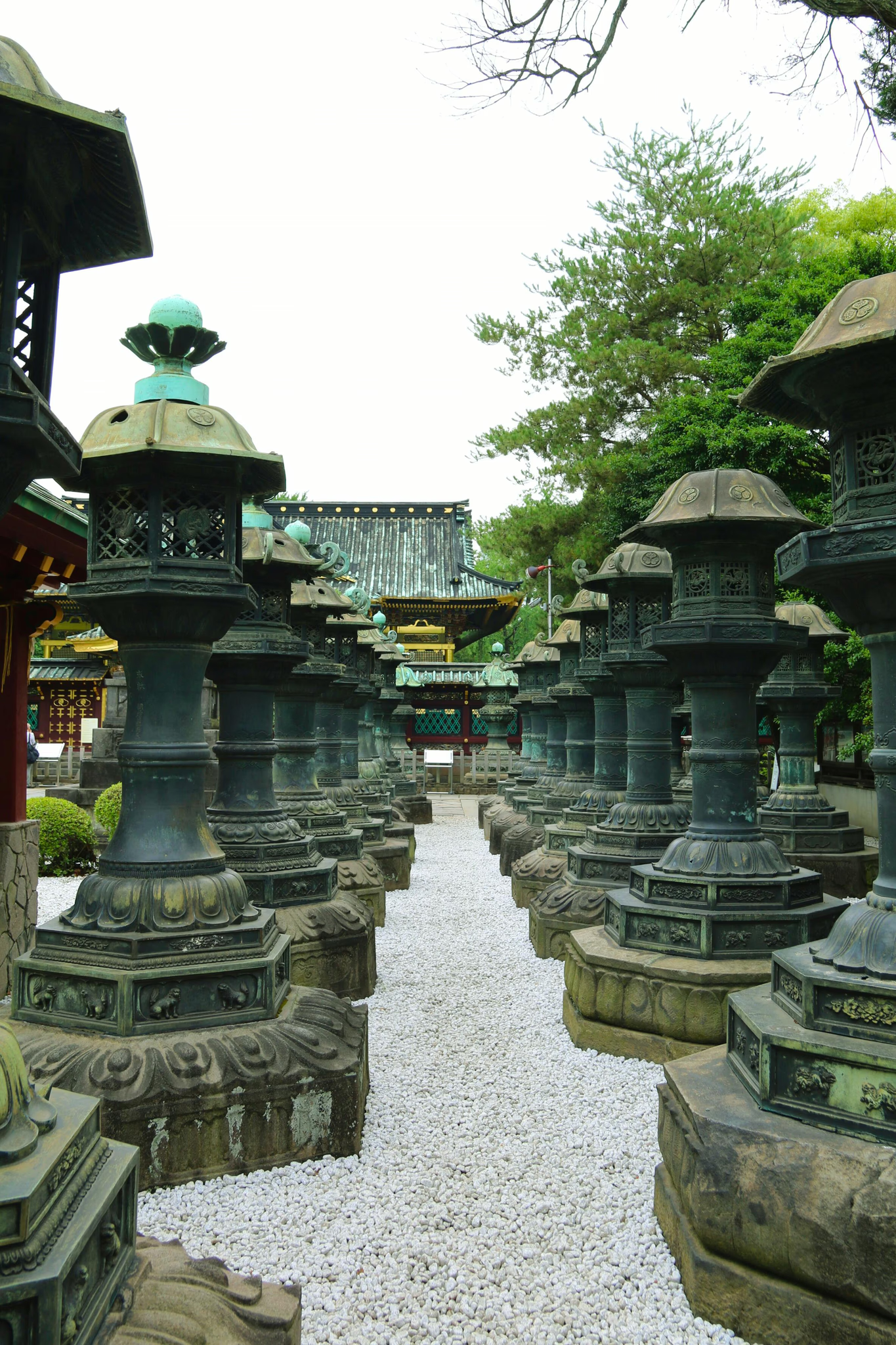
Temples vary. Sensō-ji restricts tripods, though enforcement is patchy. Meiji Shrine bans them, especially in the Inner Garden.
Image stabilization in modern cameras means you need a tripod less for basic night shots. For creative long exposures, the 30-second to several-minute shots that blur crowds out of the frame or draw light trails, you still need one.
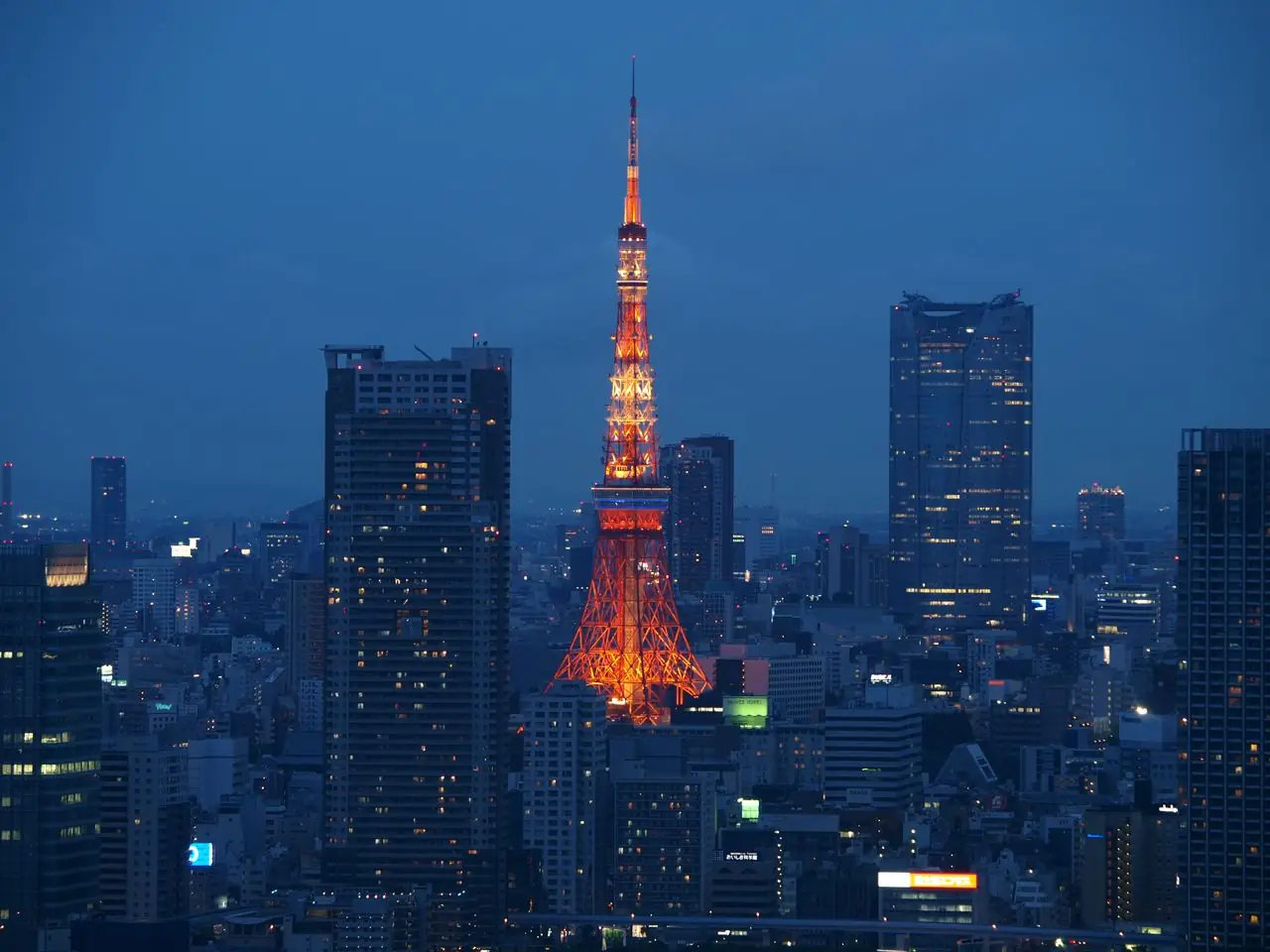
For cityscape long exposures there are other spots. Yebisu Garden Place Tower (38th floor, free, tripods allowed) frames Tokyo Tower against the Minato skyline. Carrot Tower in Sangenjaya looks toward Shinjuku and, on clear days, Mt. Fuji. The grounds of Zojo-ji Temple allow tripods outdoors, with Tokyo Tower rising right behind. A guide who knows these spots and how strictly the rules are currently enforced saves you from arriving with gear you can't use.
Duration and Format Reality
Photography touring takes longer than most people expect.
What 3 Hours Gets You
A 3-4 hour session covers one lighting condition in one area.
That could be sunrise at Sensō-ji and the streets around it, or blue hour into early night at Shibuya. You won't fit both.
This format suits you if you have a specific shot in mind and want to add a focused photography block to a wider trip.
What 8 Hours Gets You
An 8-hour day covers two lighting conditions with a break in the middle.
You shoot sunrise from 5:00 AM until mid-morning, rest through the harsh midday light, then go back out for blue hour and early night. You come away with portfolio shots in two conditions and have time for several locations.
The cost is that the schedule takes over your whole day. Think of it as a photography day with no sightseeing bolted on.
The Multi-Day Approach
Covering Tokyo properly for photography takes multiple days.
Day one is sunrise locations and morning light. Day two is evening and night. Day three is for going back to day-one locations in different conditions, or for exploring new areas.
Spread over several days, you get the range of conditions and the repeat visits a professional portfolio needs.
For multi-day work, the Infinite Tokyo format can be fully customized across several 8-hour days, with each day's schedule adjusted to the conditions and to what you shot the day before.
Getting Started
Start with what kind of support you need.
If you want camera instruction, such as aperture, composition, and settings, go with an instruction tour. Operators like EYExplore and Aperture Tours specialize in teaching technique.
If you know your camera and need help with timing, access, and a pace that lets you wait, facilitation fits better.
Hinomaru One photography tours are facilitation tours. We handle the logistics so you can concentrate on shooting. Tours can be customized for specific photography goals, from a sunrise temple session to several days of coverage.
Which format suits you mostly comes down to how far you're willing to plan your trip around light.
Ready to Book?
If you already have a shot list, a guide who knows Tokyo's light, timing, and access points can get through it without wasted golden hours or surprises about tripods.