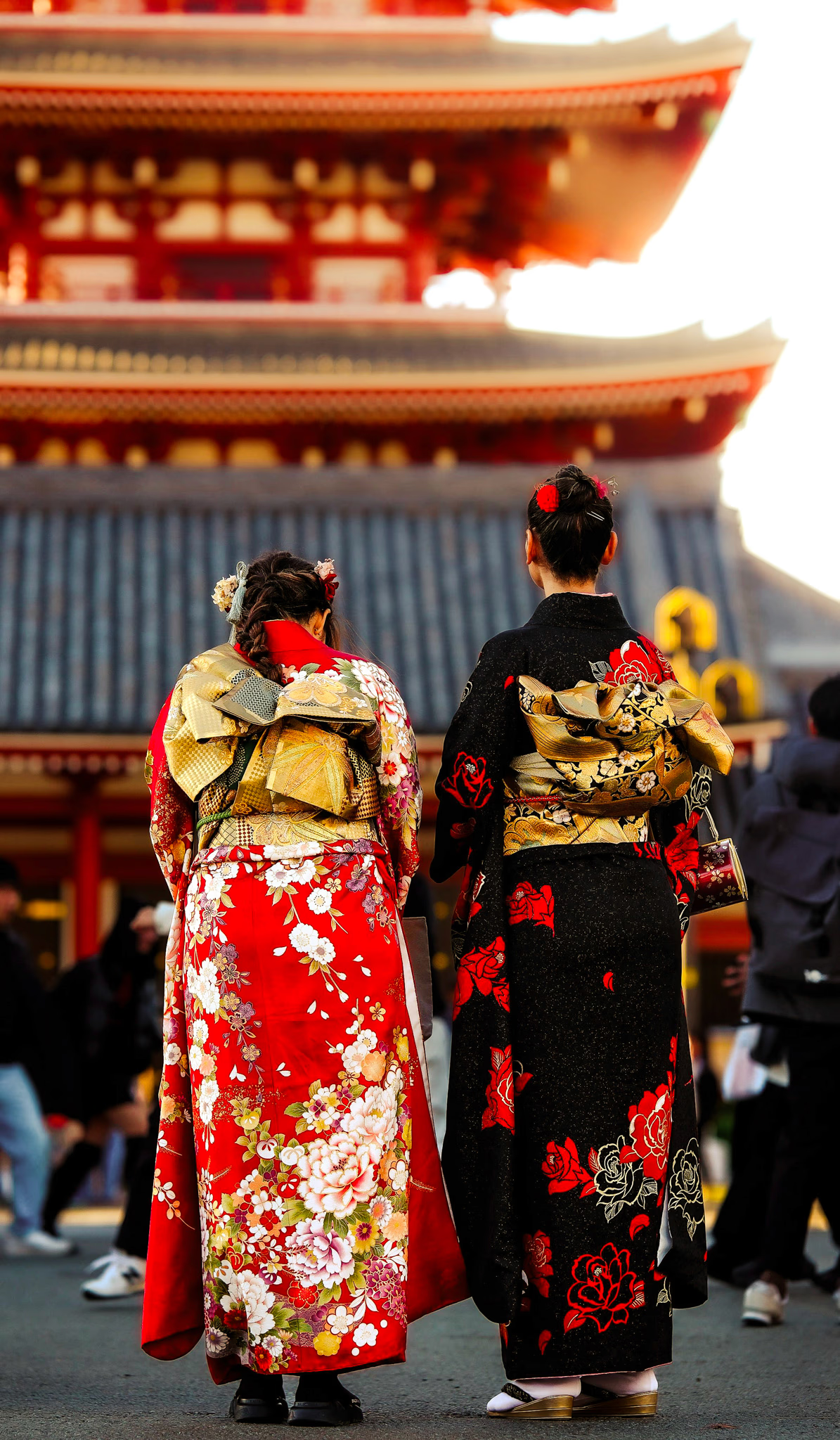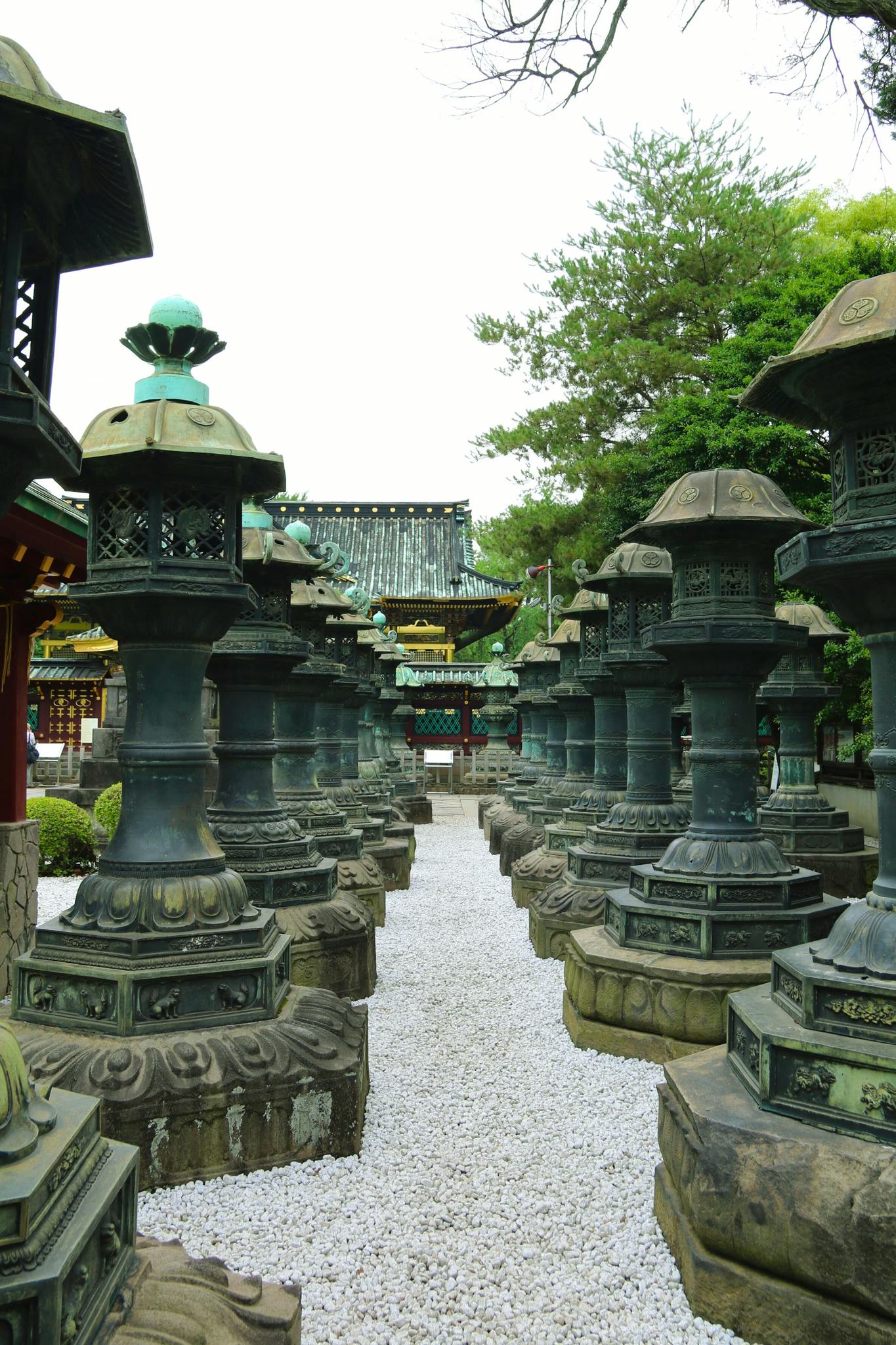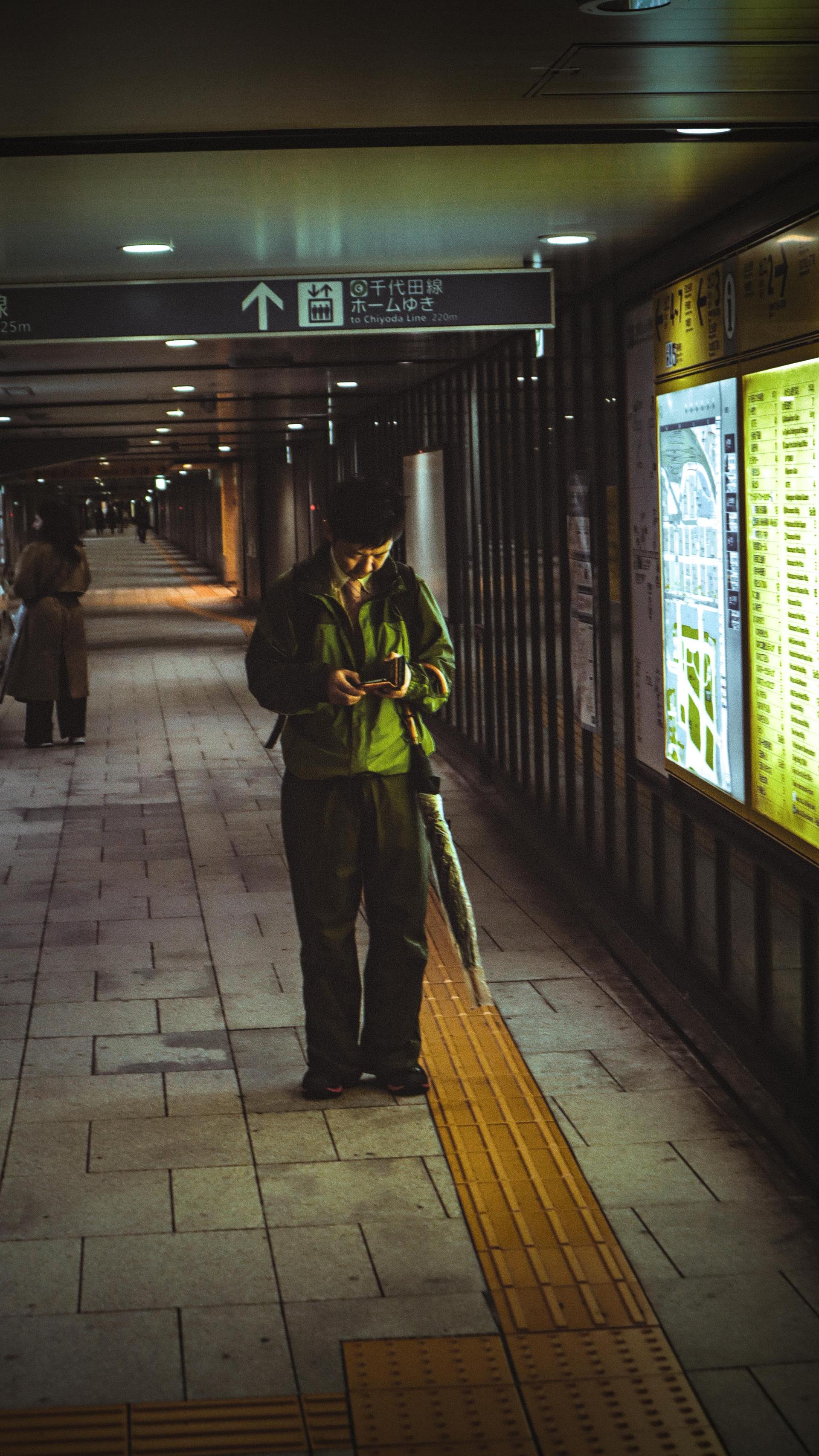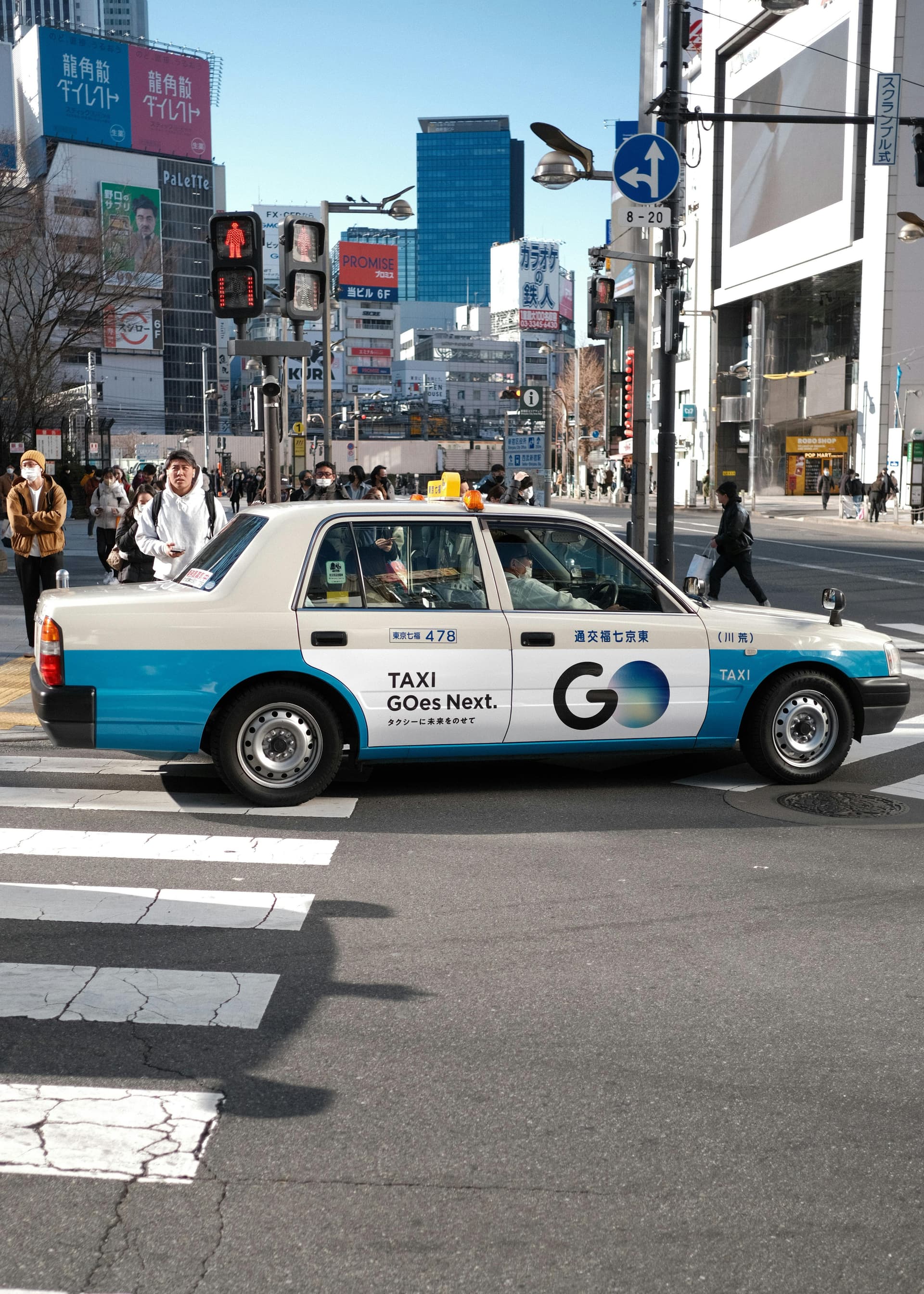
A 'walking' tour is really a train-hopping tour—the walks are the payoff between stations.
A walking Tokyo guide day is mostly a chain of short train rides and neighborhood walks: train, walk, train, walk. The trains cover the distance and your feet cover the detail, which matters a lot when you're judging how physically hard the day will be.
"Walking tour" puts the wrong picture in people's heads. They imagine eight hours on their feet, trudging from temple to shrine to market with no rest. Tokyo doesn't work that way, and neither does a walking tour here. Once you see the pattern, it's much easier to decide whether the format suits you.
What a Walking Tour in Tokyo Actually Means
Train Rides Are Part of the Tour
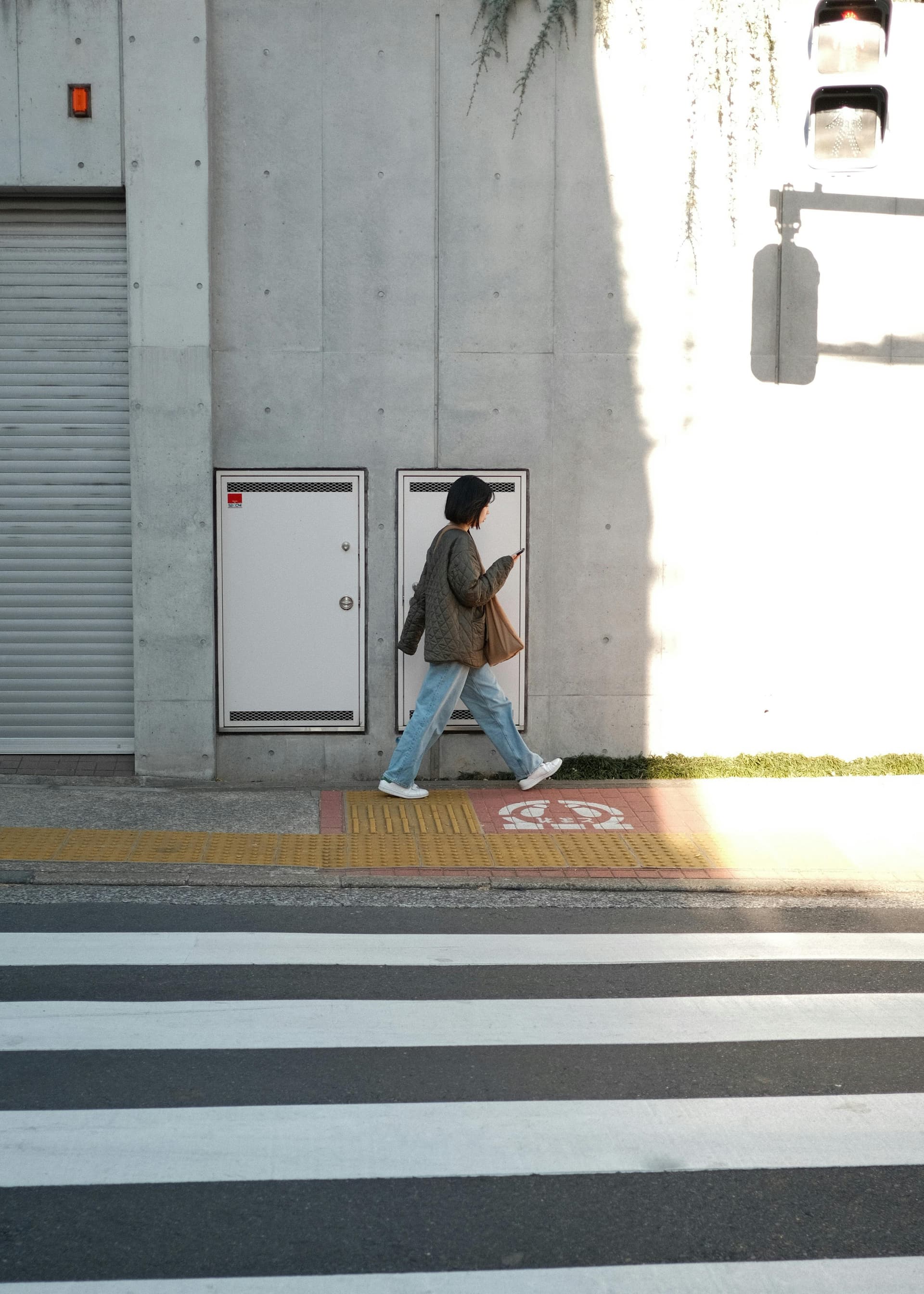
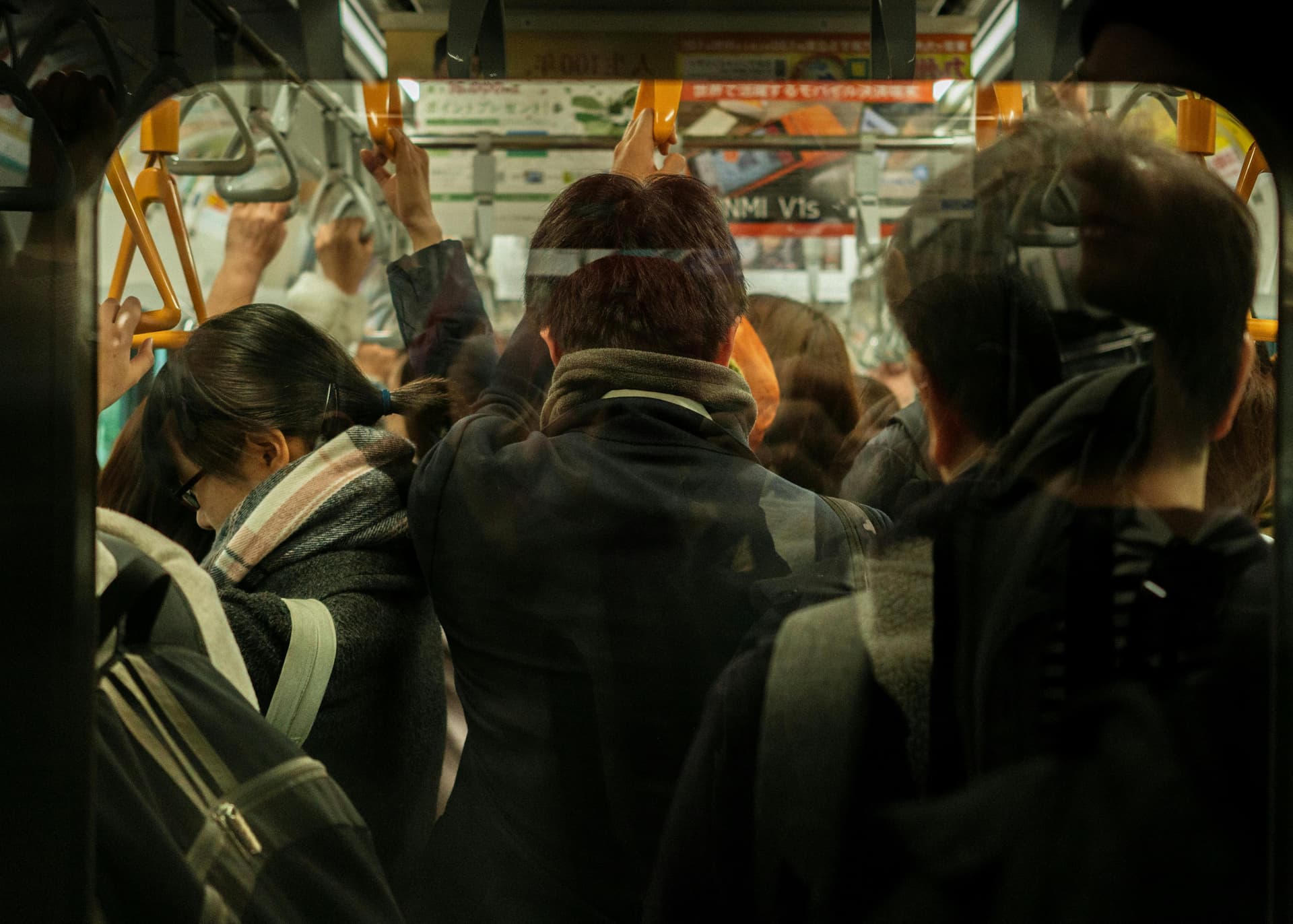
The train network is what makes walking tours possible here. Nobody walks from Asakusa to Shibuya; you take the subway. You walk within neighborhoods and ride between them.
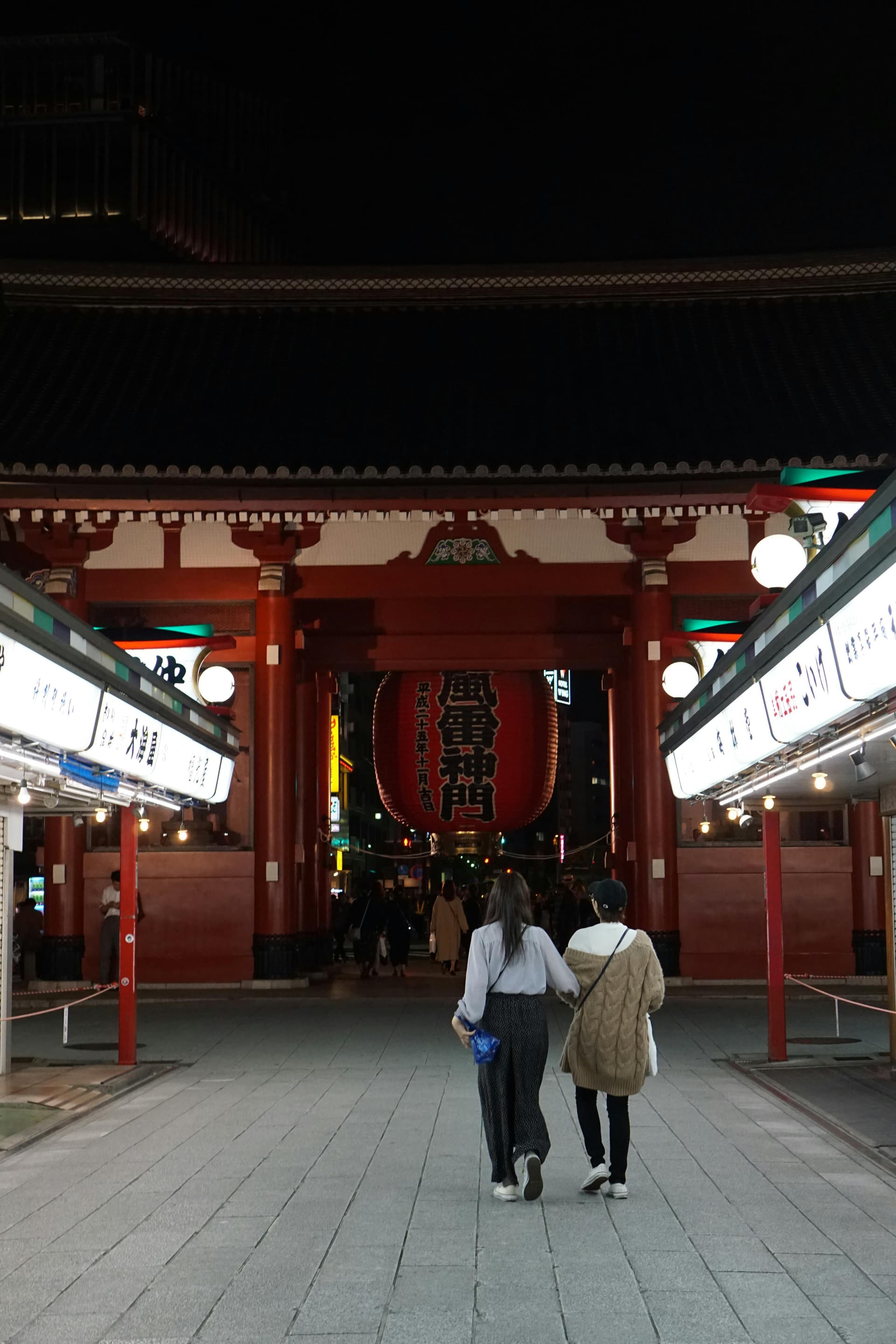
A typical morning: meet near your hotel, walk to the nearest station, take a 5-minute train to Asakusa, spend 45 minutes in the backstreets and temple grounds, then ride the Ginza Line 5 minutes to Ueno. The rest of the day follows the same rhythm.
A Typical Morning Sequence
Take a route through Harajuku and Shibuya. The JR Yamanote Line links them in 2-4 minutes, one stop. You spend 40 minutes in the backstreets off Omotesando in Harajuku, get on the train, and spend the next hour in Shibuya's quieter lanes.
Each walk has a purpose, the train rides in between rest your feet, and you pick up how Tokyo's transit system works along the way.
Why This Pattern Works
Tokyo's neighborhoods are dense. Forty-five minutes on foot in Yanaka or Shimokitazawa takes you past more shops, temples, restaurants, and street life than an hour in a car stuck in traffic. The train moves you quickly between these pockets, and you explore on foot once you're there.
Residents get around the city exactly like this, and the guide teaches you the same system.
8,000 Steps or 18,000: What the Numbers Actually Mean
Half-Day Tours: 8,000-10,000 Steps
A four-hour walking tour comes to 8,000 to 10,000 steps, roughly 5 to 8 kilometers of actual walking. Train segments, where you're standing or sitting, are on top of that. The walking comes in 30-45 minute stretches with rest in between.
For comparison, 8,000 steps is a moderately active day at home. You don't need to be especially fit, just able to get around normally.
Full-Day Tours: 12,000-18,000 Steps
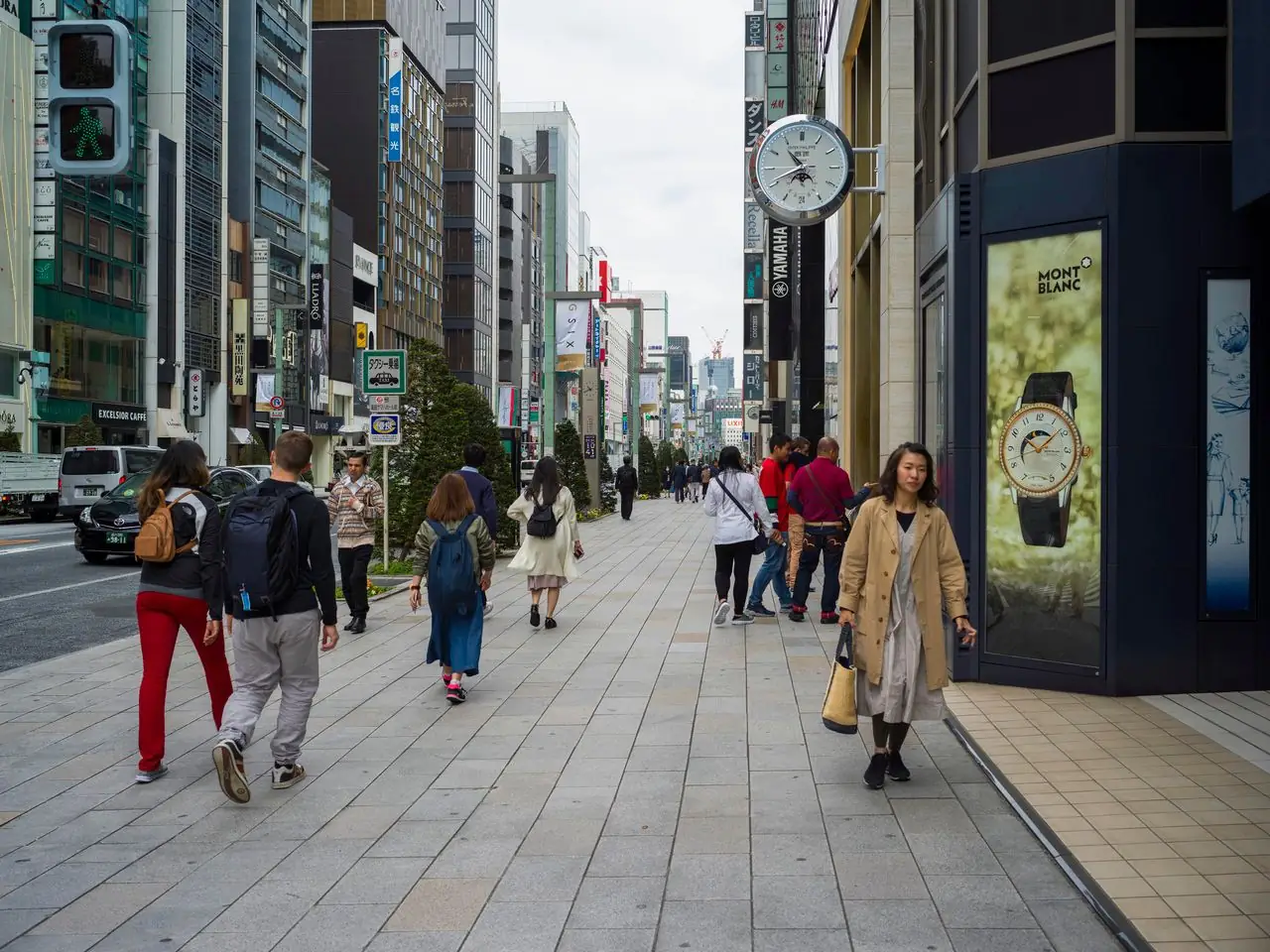
An eight-hour tour comes to 12,000 to 18,000 steps, roughly 10 to 15 kilometers. Where you land depends on the itinerary, the pace, and how long you linger at each stop. A food-focused day with long meal breaks sits at the low end. A day hopping through four or five neighborhoods runs higher.
You still need to be able to walk for 45 minutes at a time, with breaks in between. If you're unsure how long a tour to book, our tour duration guide can help.
Less Than Exploring on Your Own
You walk less on a guided tour than you would exploring Tokyo by yourself. Self-guided tourists average 19,000 to 27,000 steps a day, well above the 12,000-18,000 of a guided full day.
The gap comes from pacing and navigation. A guide knows the efficient routes and when a train beats walking, never backtracks or gets lost, and plans breaks where they help.
The main tourist areas (Shibuya, Shinjuku, Asakusa, Marunouchi) are mostly flat. Temple and shrine grounds sometimes have steps, but most of the walking is on level pavement. For a breakdown by tour type, see our guide to walking expectations on Tokyo private tours.
What Walking Unlocks That Cars Can't
Alleys Where Delivery Trucks Barely Fit
On foot you can get into places no car can reach. Yanaka's narrow, winding streets, lined with wooden houses and 70+ historic temples, were laid out before there were cars. The neighborhood came through the 1923 earthquake and the 1945 firebombing, and it survives as a piece of pre-war Tokyo because the lanes were too tight to rebuild.
Shimokitazawa's shopping alleys were made for feet. Irregular intersections link 200+ vintage clothing shops on streets too narrow for vehicles, and the neighborhood feels the way it does because it never gave way to car-friendly development.
Tsukiji's outer market packs 400+ shops into lanes 1.5 to 3 meters wide. You browse shoulder to shoulder with restaurant buyers and local shoppers, and no car gets within blocks of it.
Spontaneous Food Stops
On foot you can duck into places that have no parking. Standing soba counters like Nadai Fuji Soba, found at major stations across Tokyo and serving noodles for ¥270-500 from a ticket machine, have no parking and don't need any. Basement kissaten with 8-20 seats and unmarked doors serve coffee the way they have since 1910. Jazz bars down on B1 with no sign outside seat a dozen people who found them by walking past.
A car tour would have to park somewhere and walk anyway. On foot, you stop when something catches your eye.
The Neighborhood Rhythm
The change from tourist crowds to residential quiet can happen within a few blocks, and you only notice it if you walk those blocks. Commuters pouring out of a station entrance, a grandmother opening her shop at 10 AM, a line forming outside a lunch spot at 11:30. From a car window most of that goes by unseen.
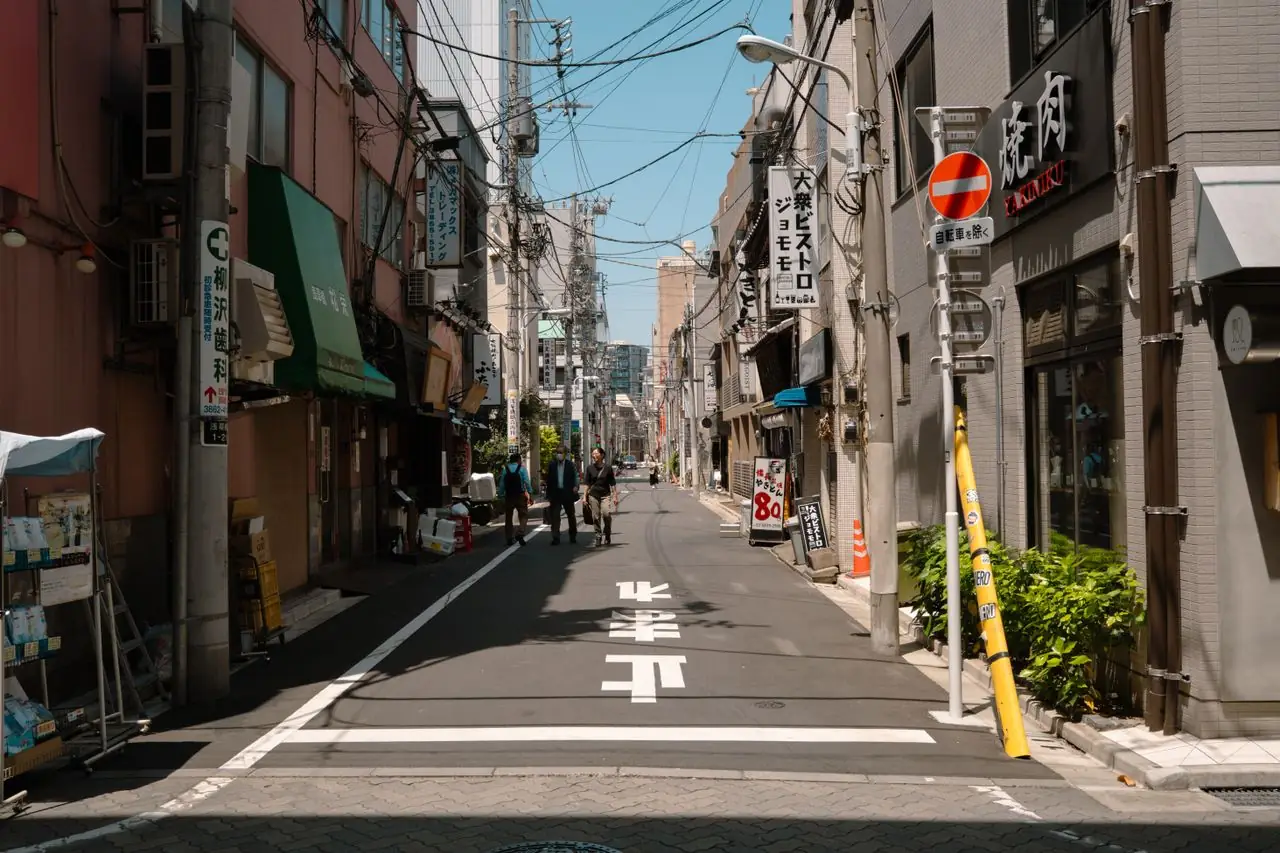
Car tours lose time in traffic and park wherever they can. As one operator puts it, you will not be able to park in a convenient place every time. You end up walking at each stop anyway, without the street life in between. Photographers get their own chances from the same light and street life; our Tokyo photography guide covers timing and access.
Who Walking Tours Suit — and Who Might Consider Alternatives
Walking Works Well For
Walking tours suit first-time visitors who want to see the sights and also learn the transit system well enough to get around alone afterward. They suit couples, families with teenagers, and active seniors who are comfortable with 8,000 to 18,000 steps spread across a day with breaks.
If you can walk 45 minutes at a comfortable pace, rest for 15, and do that several times, you'll manage fine. The transit system helps: Tokyo Metro has elevator access at all stations, Toei Subway has 100% elevator coverage, and most major JR stations have elevators too.
Consider a Car or Mixed Approach If
You do need basic mobility. If you use a wheelchair, have significant mobility limits, or are traveling with very young children in strollers, a car tour or a mix of car and walking works better. Our private car tour guide explains who actually needs a car, and why most visitors see more of Tokyo without one. Pushing a stroller through markets and crowded shopping streets is hard, especially on weekends. Our guide to accessibility on Tokyo private tours goes into detail.
A car also makes sense if you want to cover a lot of distance, say to the Mt. Fuji area or several far-apart sites in one day, or if you'd rather not walk at all. It suits travelers who handle summer heat badly, too.
The Honest Trade-Off
On a walking tour you trade physical effort for street-level access. You move through neighborhoods on foot, get into places cars can't, and learn the trains, but you spend a good part of the day on your feet.
On a car tour you trade spontaneity for comfort. You sit in an air-conditioned vehicle and skip the trains. Tokyo traffic is unpredictable, though, parking is scarce, and you miss the street-level detail that makes the city what it is.
Which is better depends on your body and on what you want from the day. For a side-by-side comparison, see private car vs. walking tours in Tokyo.
How Pace Actually Adjusts
What Good Guides Do When Energy Flags
When energy drops, a good guide changes something concrete: swaps a walk for an extra train ride, stretches a coffee break, finds somewhere to sit, or trims the walking from the plan.
The pace should follow how the group is actually doing, even if that means leaving the planned route.
More Trains, Fewer Steps
The train-walk pattern gives you natural places to adjust. A guide can swap a 20-minute walk for a 5-minute train ride at almost any point. The plan might say walk from Ueno to Yanaka, but if the group is fading, the Yamanote Line covers part of that in minutes.
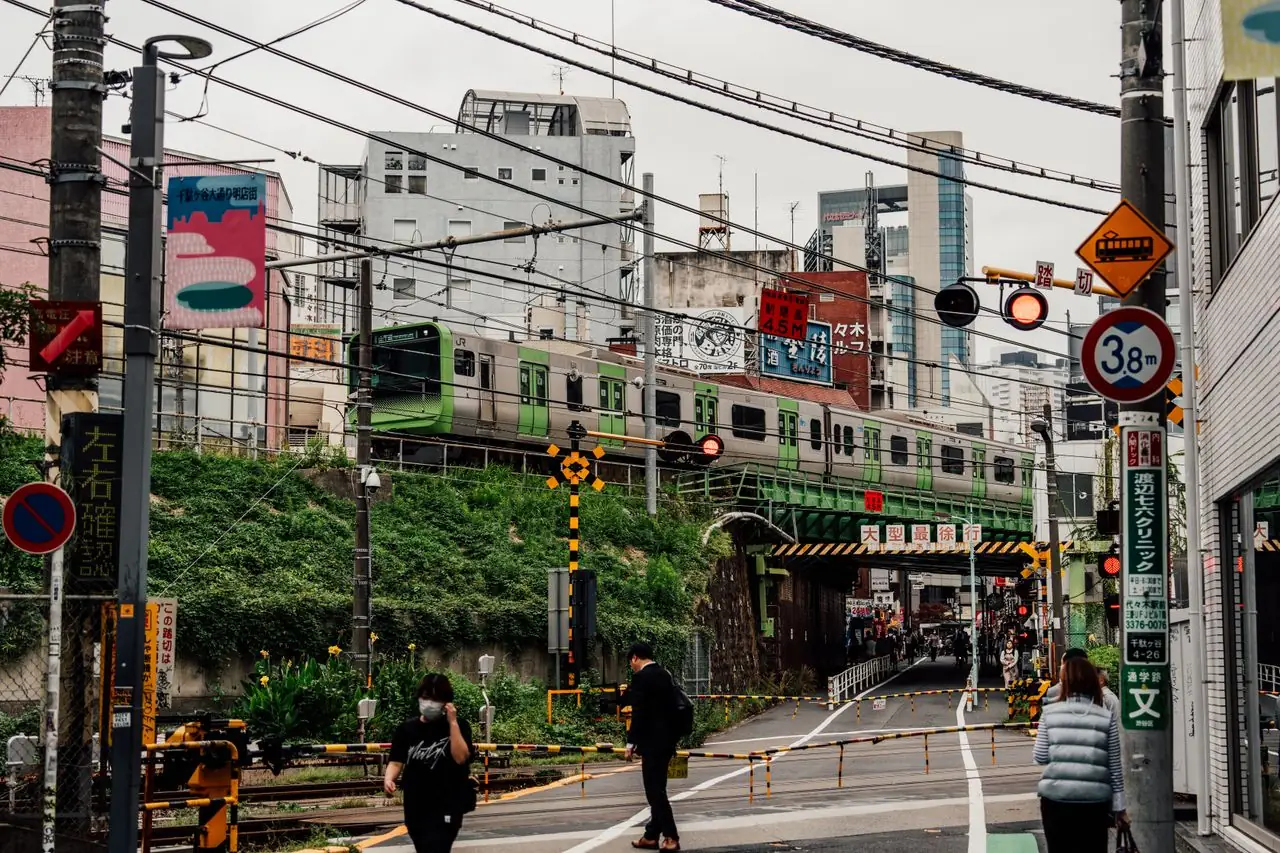
That works because the network is so dense. Wherever you'd be touring, there's a station a few minutes' walk away, so you can always cut the walking without cutting a stop.
Telling Your Guide What You Need
Pace is easiest to adjust before the tour starts. Tell your guide about mobility concerns, energy levels, or preferences ahead of time. A guide who knows about a bad knee can plan around it from the start, choosing routes with fewer stairs, adding seated breaks, or steering clear of steep temple grounds, so nobody has to scramble mid-tour.
What You'll Be Able to Do on Your Own After
Station Navigation Becomes Intuitive
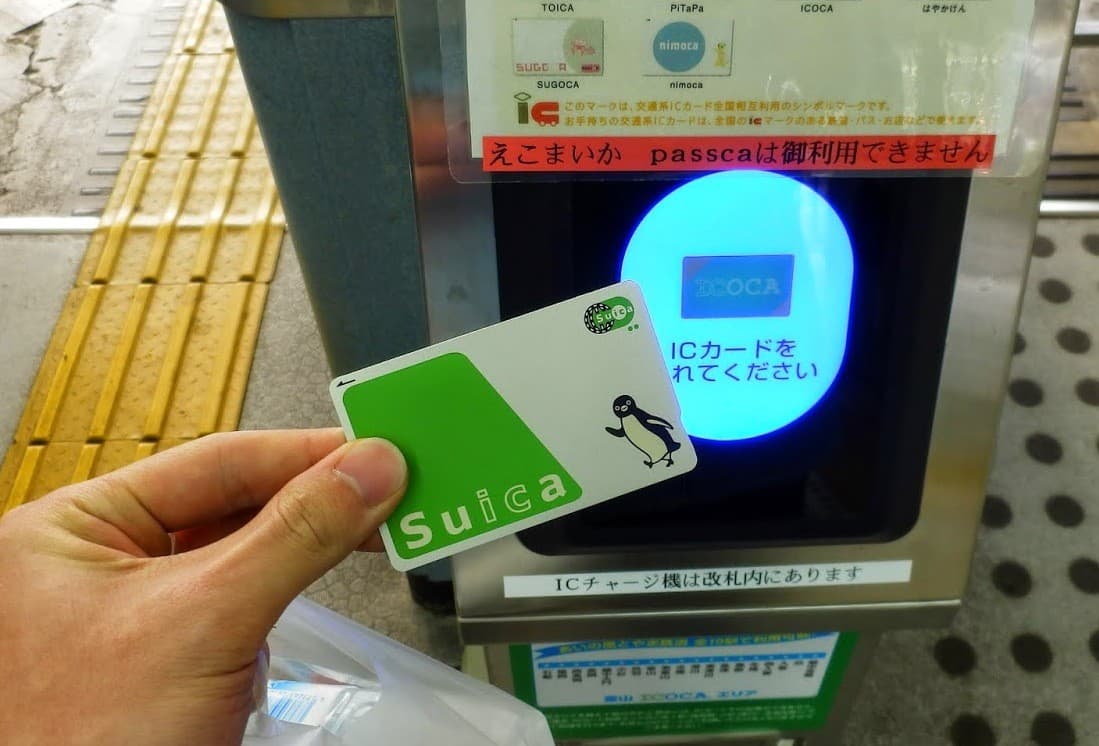
A walking tour teaches you the transit system as you use it. By the end of a full day you've used an IC card, read station signs, made transfers, and figured out how exit numbers work, and that stays with you.
Guests tell us they ride the subway on their own the day after a tour. Stations that looked overwhelming on arrival make sense once someone has walked you through them.
The Confidence to Branch Out
Travelers who take a guided tour early in their trip say they explore more on their own afterward: neighborhoods they wouldn't have tried alone, restaurants without English menus, areas off the tourist circuit.
That's the case for booking a tour on your first day. Our Tokyo Essentials tour is built for exactly this, a 6-hour introduction that prepares you to explore on your own.
Practical Preparation
Footwear Matters More Than Fitness
You'll spend parts of the day standing and walking on pavements, station platforms, and temple grounds. Wear shoes that are broken in and made for walking.
Dress shoes, heels, and brand-new sneakers cause trouble. Shoes you've already walked in are fine. For more on packing, see our guide to what to wear and bring on Tokyo private tours.
Convenience Stores as Rest Stops
Tokyo has over 50,000 convenience stores. In tourist areas there's one every few blocks, sometimes two facing each other across the street. They're open 24 hours, air-conditioned, and have seating, free restrooms, cold drinks, hot coffee, and snacks.
Tokyo doesn't have many public benches, and konbini fill that gap. When you need a break, step into the nearest 7-Eleven, Lawson, or FamilyMart.
Season Considerations
Summer, from June through September, adds heat and humidity. Walking tours still work, but you'll need more breaks, more water, and more air-conditioned stops, and the day will feel harder.
Spring and autumn are the most comfortable for walking. Winter is cold, but layers take care of it.
Set your expectations by the season: a full day in August takes more stamina than the same tour in April. Here's what to expect on tour day.
Ready to Book?
If walking Tokyo with a local guide sounds right for you, we'd be glad to help plan your route.