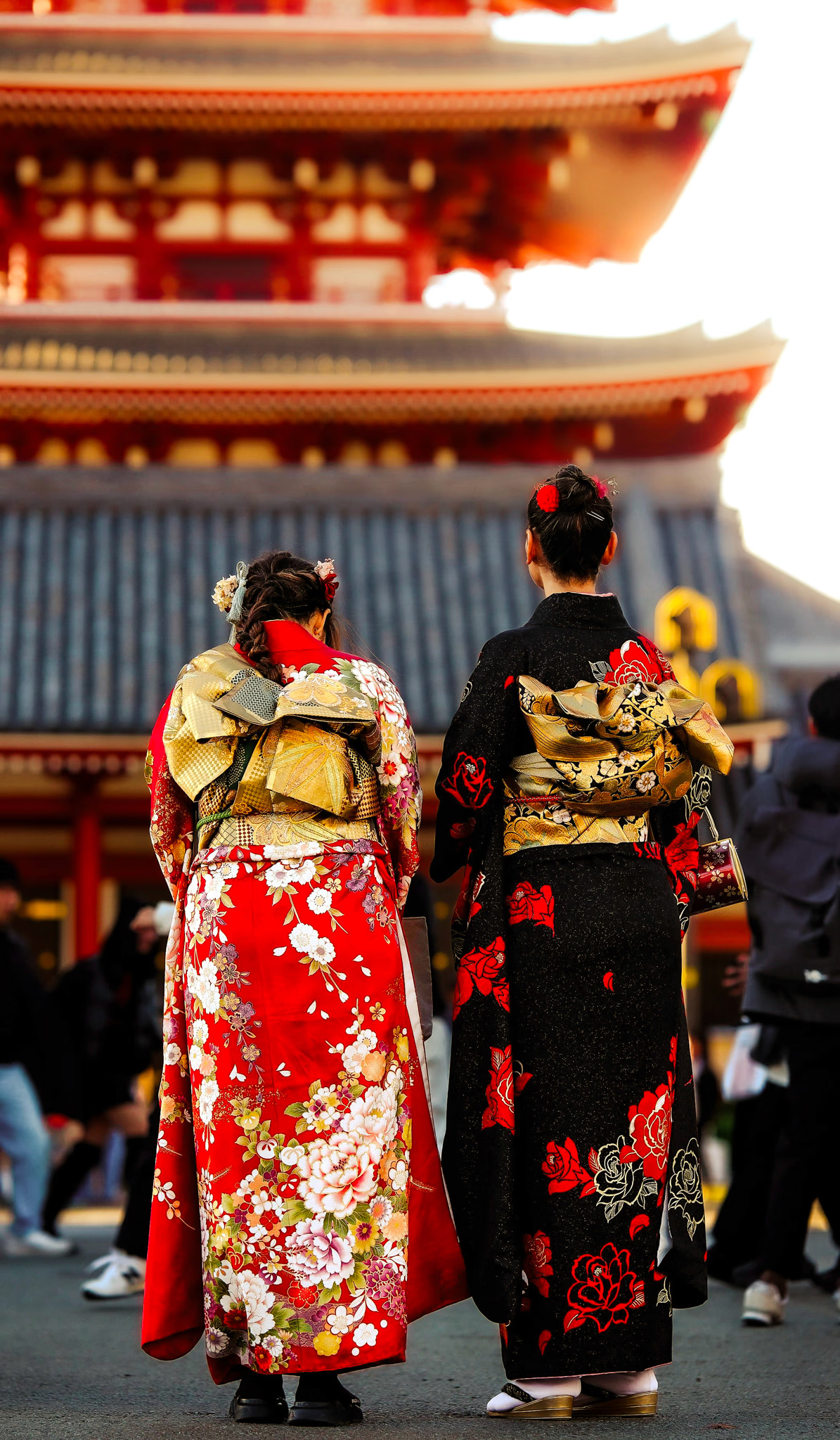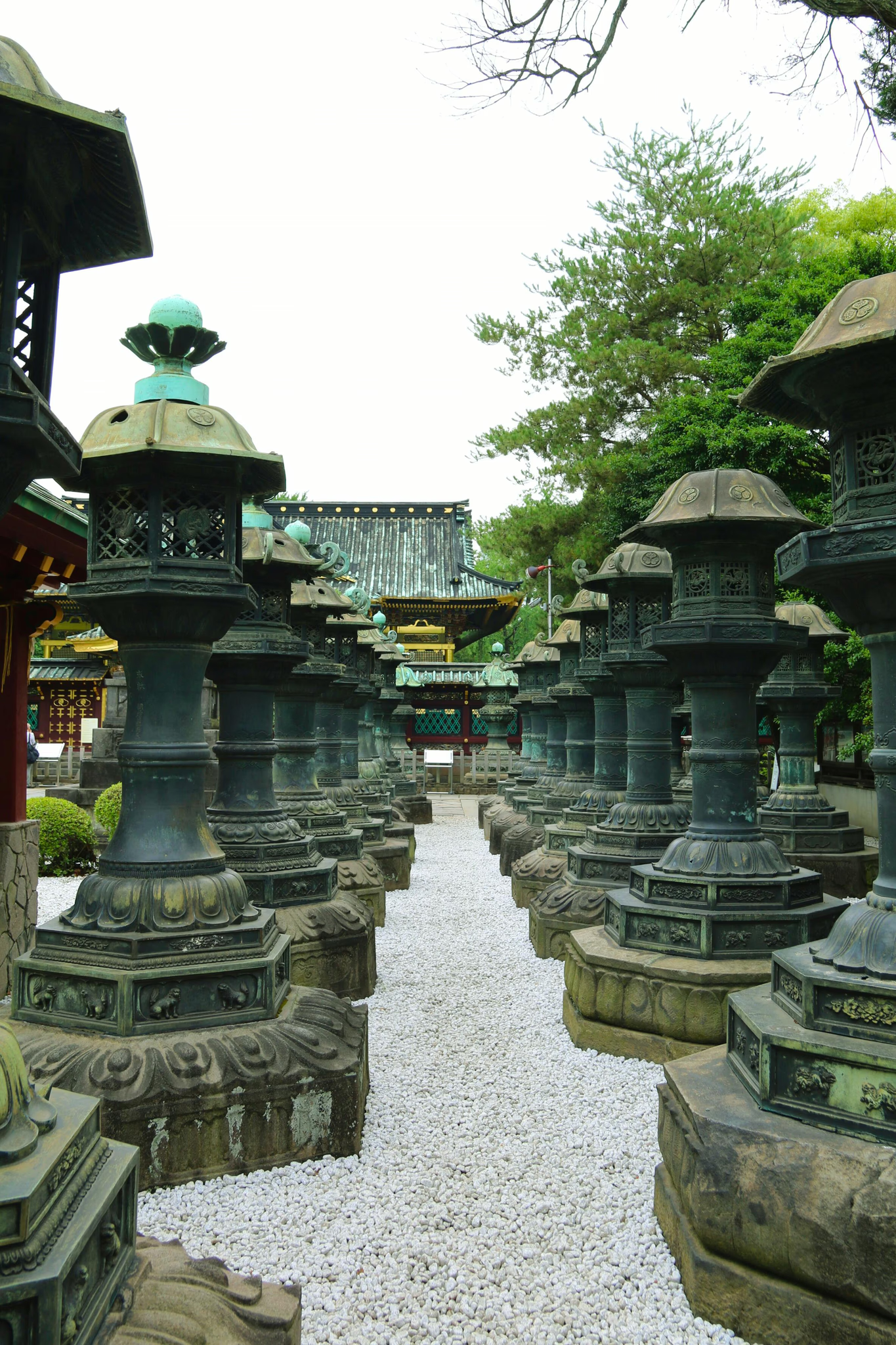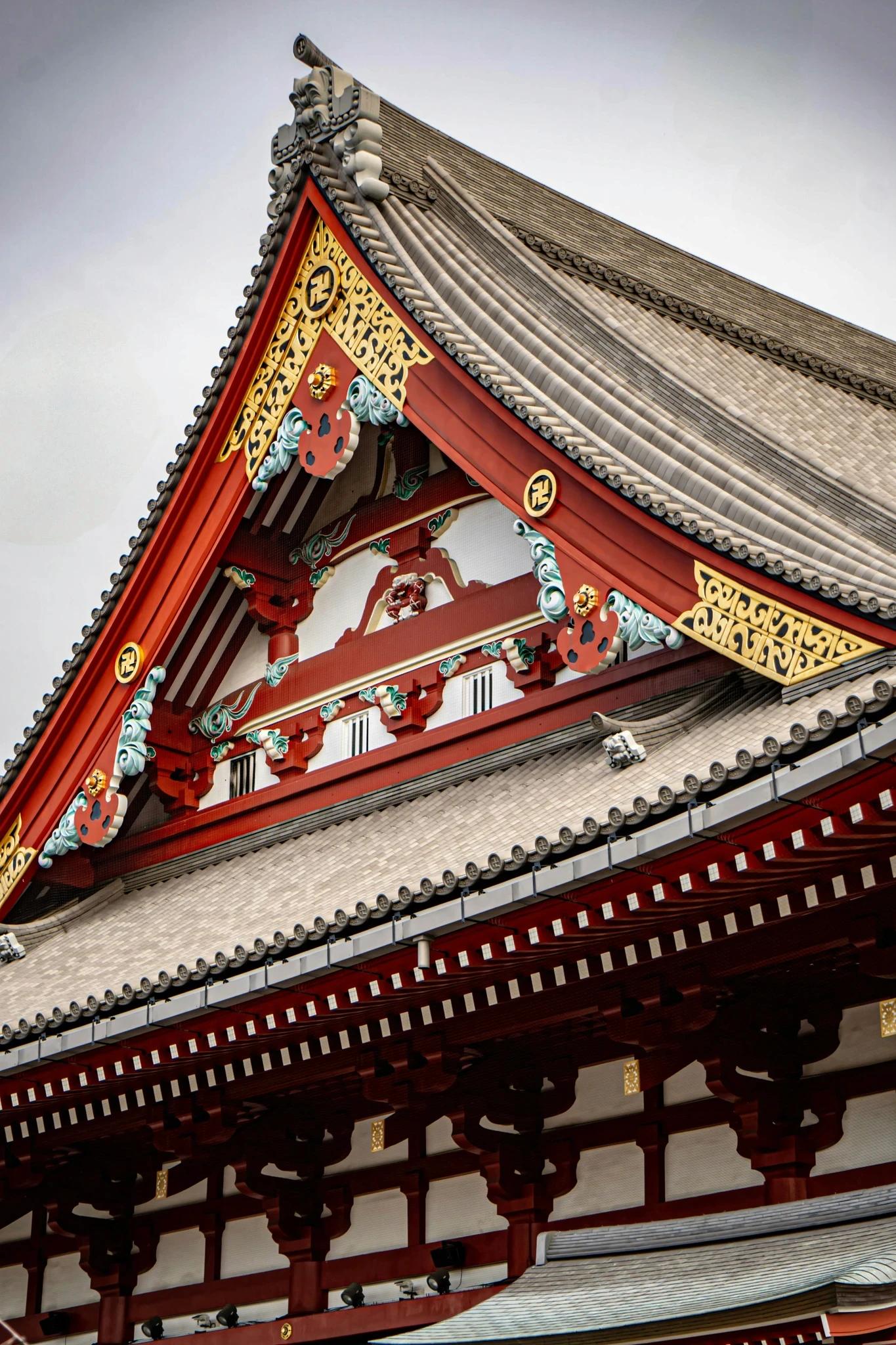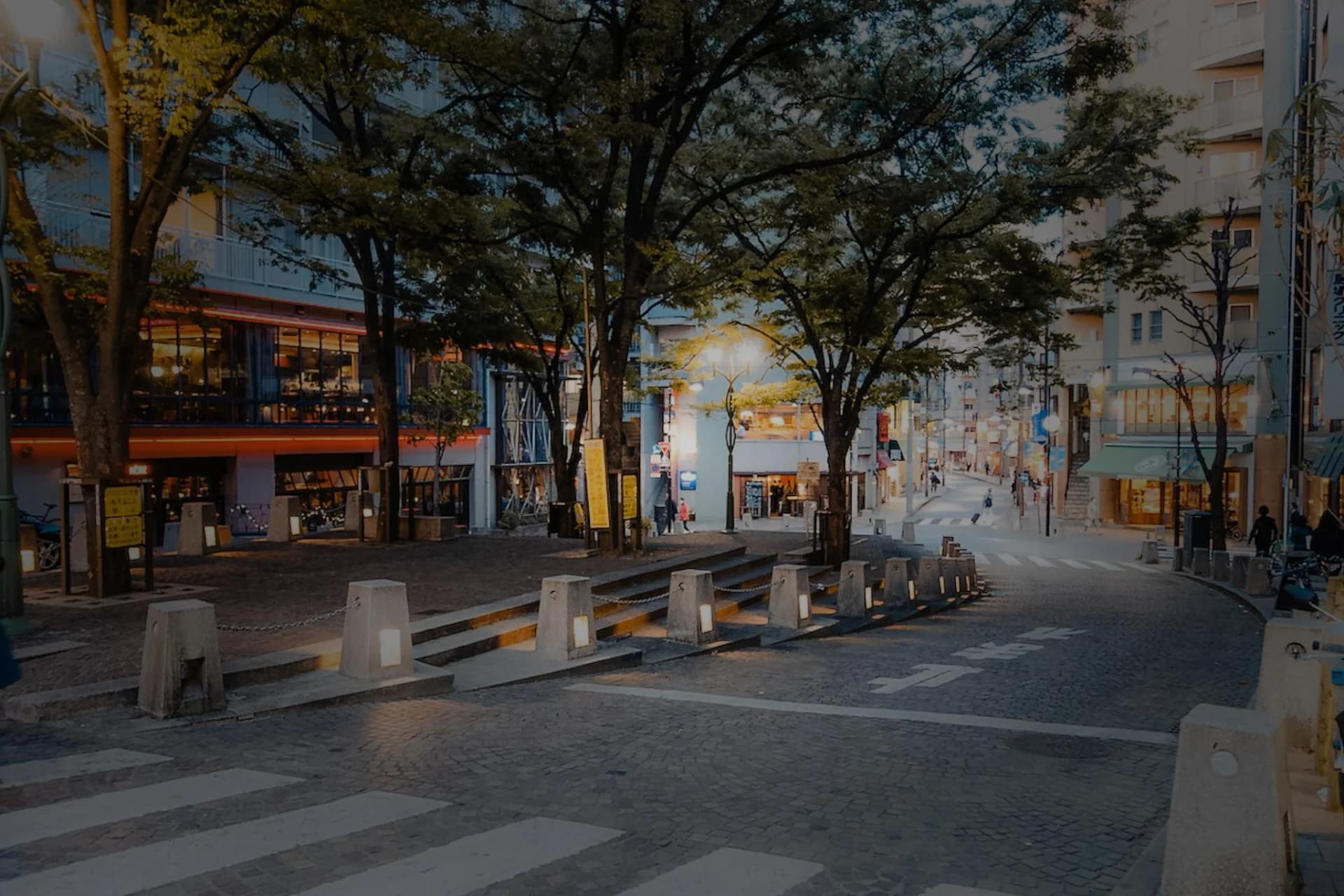
The guide's value isn't showing you around. It's handling decisions so you can stop thinking about logistics and actually be present.
This Tokyo business travel guide is for people whose free time comes in short windows, usually jet-lagged, between meetings that can't be moved if you get the train wrong.
Tokyo is easy enough to get around. What you need to decide is whether a private guide takes care of the specific risks you're worried about, given how little free time you have and how much depends on being on time.
Tokyo Is Learnable. That's Not the Point.
Tokyo's reputation as an impenetrable maze is overblown. Signs are in English, Google Maps works, and most neighborhoods are easy to walk. Business travelers are often surprised by how manageable it is.
The major stations are complicated, but you don't need to master them. You need to find one exit, and you can work that out.
What Google Maps Handles (and What It Doesn't)
Google Maps will get you from your hotel to Sensoji Temple and tell you which platform to stand on.
It can't do the thinking for you when you've just come out of three hours of meetings. You still have to decide which of 200 exits to aim for, and you still carry that low-level worry about whether you're going the right way.
The Bandwidth Problem
For business travelers, the hard part is having the energy to think about it.
You can figure out Tokyo's transit system. The question is whether you want to spend your few non-work hours on that mental arithmetic, or show up somewhere interesting without thinking about how you got there.
When a Guide Makes Sense (and When It Doesn't)
You don't always need a private guide in Tokyo. On some business trips one is exactly right, and on others it's overkill. If you're weighing the cost, see are private tours in Tokyo worth it.
A Guide Makes Sense If...
-
You have a 2-4 hour window and want to make it count without planning
-
You're hosting a client or colleague and need it to go smoothly
-
You're jet-lagged and don't want to spend energy on logistics
-
You're visiting Tokyo for the first time and have one afternoon free
-
You need to be somewhere at a specific time and can't risk getting lost
Skip the Guide If...
-
You have an entire free day and enjoy exploring on your own
-
Your goal is shopping in a specific area (Ginza, Shibuya)
-
You're visiting a single well-documented landmark (Meiji Shrine, Sensoji)
-
You're watching costs and have time to plan
-
You've been to Tokyo before and know exactly what you want
The Gray Zone: Repeat Visitors
Repeat visitors often assume they don't need a guide because they've "done Tokyo." Their needs are different, though. First-timers need orientation, and repeat visitors need someone to pick things for them.
If you've walked Shibuya Crossing twice already, you don't need someone to show you where it is. You might want someone who knows the neighborhood well enough to suggest what fits your mood that evening.
The interesting places are often 15 minutes from where you already go. Repeat visitors stick to familiar routes, and a guide gets you off them. For days built around that, Ordinary Tokyo is designed for exactly this.
What Actually Changes When You Have a Guide
You could learn to navigate Tokyo yourself. A guide takes those decisions off your plate while you have other things to think about.
| Without Guide | With Guide |
|---|---|
| Figure out which exit, which platform, which direction | Follow without thinking |
| Calculate whether there's time for lunch before the meeting | Guide handles the math |
| Wonder if this restaurant takes cards or if you need cash | Guide knows and handles it |
| Push through when you're flagging | Guide reads your energy, adds breaks |
| Watch the clock, stress about making your dinner reservation | Guide keeps time, so you're back with time to change |
The first few days of jet lag follow a pattern: energy crashes between 7am and 1pm, then again around 7pm. Work trips also lack the excitement that keeps you going on vacation when you'd rather collapse. A guide notices when you're flagging, shortens the walk, and suggests a garden with benches instead of another temple with stairs, so you aren't looking after yourself and running the tour at the same time.
For a detailed look at how tour days actually unfold, see what to expect on tour day.
Planning Around Your Actual Constraints
Most tour companies start by asking what interests you. For business travelers, the first question should be what your constraints are.
Start with Where You're Staying
If you're staying in Marunouchi or Otemachi, the Imperial Palace East Gardens, KITTE, and Nihonbashi are all walkable, with no transit needed.
If you're in Roppongi, the Mori Art Museum and Tokyo Midtown are right there.
Start from your hotel and work outward. If you start with "I want to see Sensoji," you may find out too late that it's 45 minutes each way.
Work Backward from Your Hard End Time
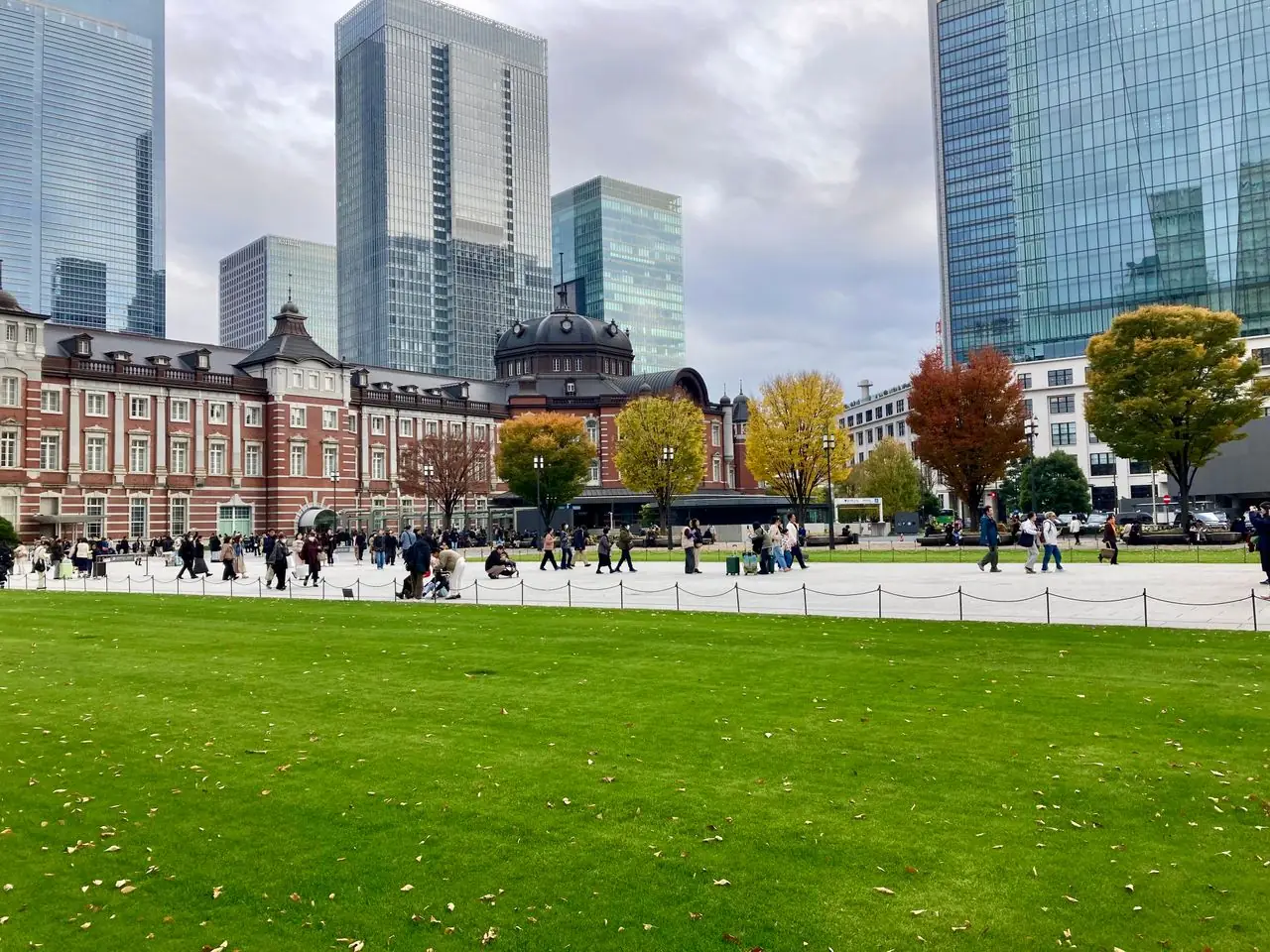
If you need to be back at 5pm for a dinner meeting, you don't have until 5pm. You have until 4:30pm at the latest, and that assumes the trains run as planned.
A 2-hour window gives you about 90 minutes of actual exploring once you allow for transit. A 3-hour window gives you about 2 hours. For more on how timing shapes the day, see best time of day for Tokyo private tours.
Build In Energy Contingencies
Have one plan for when you feel good and one for when you're crashing.
On a good day, walk through gardens and neighborhoods and browse the shops.
On a bad one, sit with a coffee and a view, wander slowly through a museum, or watch people from a bench.
The time window is the same either way. Pick on the day, based on how you feel.
A Note on Transport
The trains are efficient, and the Marunouchi and Ginza Lines run every 2-3 minutes at peak hours. A guide saves you the hassle of finding platforms and exits. Take a taxi when you're exhausted, when it's raining, or when being on time matters more than cost. Skip private cars for short windows: parking is ¥7,000-13,000/day, traffic is unpredictable, and Tokyo's best experiences aren't accessible by car anyway. For a fuller comparison, see private car vs walking tour.
The Districts That Work for Business Geography
Not every Tokyo neighborhood suits a 2-3 hour window. These work, based on where business travelers usually stay.
Marunouchi / Otemachi: Already There
There's plenty around you, all on foot.
-
Imperial Palace East Gardens: Free admission, 5-minute walk from Tokyo Station, closed Mondays and Fridays. The former Edo Castle grounds, with gardens and old stone walls.
-
KITTE Marunouchi: The former Central Post Office building, 1-minute walk from Tokyo Station Marunouchi South Exit. The rooftop garden on 6F looks over Tokyo Station. The Intermediatheque museum on 2F-3F is free and uncrowded.
-
Nakadori Avenue: A tree-lined shopping street with outdoor cafes and a European feel. Closed to cars 11am-3pm on weekdays.
Ginza / Nihonbashi: 10-Minute Extension
You can walk to both from Marunouchi, or take the metro one stop.
-
Nihonbashi: The old merchant district. The Coredo Muromachi complex has a good selection of Japanese craft shops. Yamamotoyama tea shop has been in operation since 1690.
-
Ginza: Department store flagships (Mitsukoshi, Ginza Six). The main avenue goes pedestrian-only on weekends. It's upscale but a bit sterile, so it's best if you have something specific to buy.
Roppongi: If You're Staying There
-
Mori Art Museum (53F): Contemporary art with city views. Open until 10pm most nights.
-
Tokyo Midtown: Landscaped garden, design shops, restaurants.
-
Mado Lounge (Mori Tower 52F): A quiet place for a nightcap with city views, ¥1,500-2,000 entry.
Shinjuku / Shibuya: Transit Hub Realities
These make sense only if you're staying there.
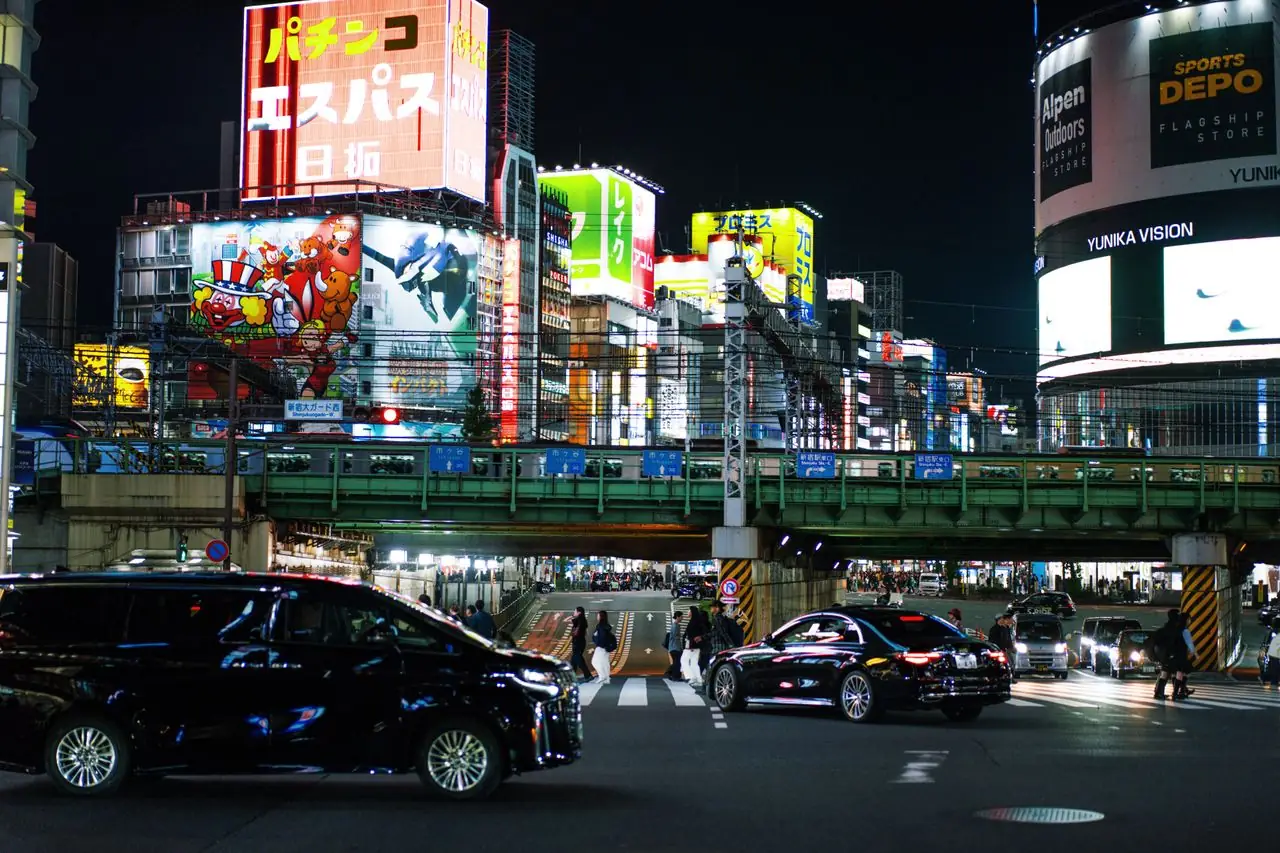
Shinjuku Station has 200+ exits across 5 different railway operators, and even locals get lost. The renovation won't be complete until 2046. If you aren't staying in Shinjuku, getting through the station alone will eat time and energy.
Shibuya is similar. It's famous and interesting, but getting there and through the station takes real effort unless you're already there.
From Marunouchi, Shinjuku is 15-20 minutes by metro, and that's only the ride. Add finding the platform, waiting, getting through the station, and finding the right exit, and for a 2-3 hour window it isn't worth it.
What 2-3 Hours Actually Allows
Most tour operators define "half-day" as 4-6 hours. A 2-hour window is shorter than any of that, but 2 hours is enough if you plan it differently. For more on choosing a length, see our tour duration guide.
Single-District Depth Over Cross-City Breadth
In 2-3 hours, you stay in one neighborhood and walk. No transit.
For business travelers this works better than rushing across the city, because what you want from a short window is to unwind.
The Reset Loop (Walking, Sitting, Looking)
A good 2-hour window goes something like this: walk for 20 minutes, sit for 15, look at something interesting for 25, have a coffee for 20, then walk back.
You come back rested, without a list of ticked-off sights. Tokyo Essentials is built for exactly this kind of window.
For Marunouchi: Imperial East Gardens → KITTE rooftop coffee → Intermediatheque museum
For Nihonbashi: Walk to the bridge → browse Coredo Muromachi → tea at Yamamotoyama
Sample 2-Hour Windows
Morning before meetings (7am-9am): Imperial East Gardens opens at 9am, but you can walk the palace moat grounds earlier. A coffee and a walk along the moat, watching the morning runners, works before anything opens.
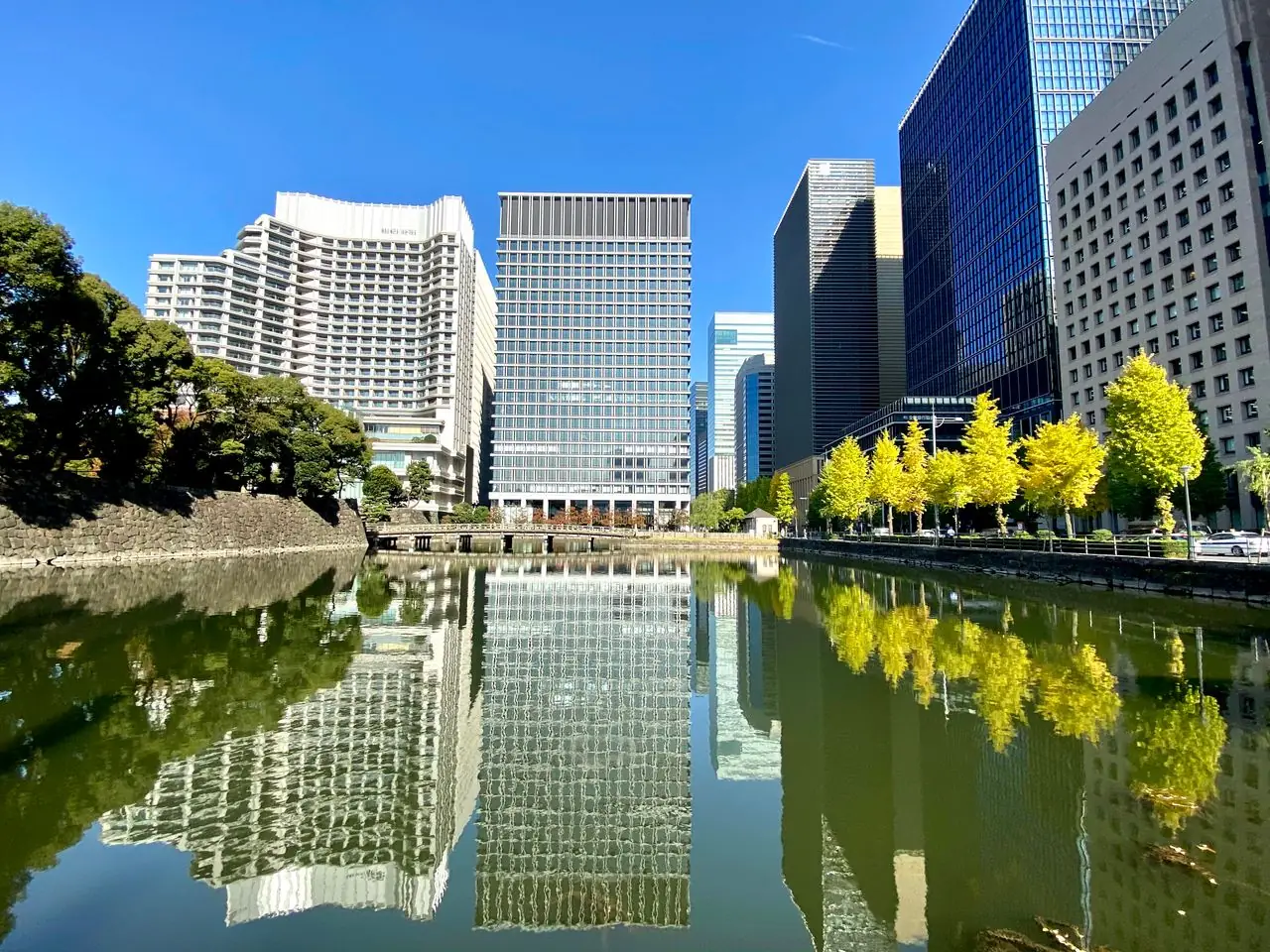
Afternoon between sessions (2pm-4pm): KITTE is fully open, and Intermediatheque is never crowded. Marunouchi Brick Square has an English-style courtyard garden with benches.
Evening pre-dinner (5pm-7pm): Nakadori Avenue lights up November-February with 1.2 million LED lights. Hibiya Park is a 10-minute walk away, the grounds of a former lord's residence that opened as a public park in 1903.
When You Have 4-6 Hours
With 4-6 hours, transit time starts to pay off and you can fit in two neighborhoods. Tokyo Trifecta is designed for this window.
Marunouchi + Asakusa (4-5 hours): Start in Marunouchi, take the Ginza Line 15-20 minutes to Asakusa, explore Sensoji and the side streets, and come back. Transit totals ~40 minutes, which leaves 3.5+ hours for exploring.
Marunouchi + Nihonbashi (3-4 hours, walkable): All on foot, with no time lost to transit. Gardens, lunch, craft shopping, tea.
Lunch works as a reset. A seated 45-minute lunch around 12:30pm splits the day in half and helps you through the jet lag dip.
When You're Hosting Someone
Hosting a client or colleague is a different job. You're planning around their experience and the conversation between you, more than your own. If the day runs into the evening, our guide to Tokyo with colleagues covers what a guided izakaya evening with coworkers involves.
Conversation Intervals, Not Destinations
Good hosting routes have walking stretches long enough to talk but short enough that nobody gets out of breath.
Avoid places that need everyone's full attention, like museums with audio guides or temples that take a lot of explaining. They break up the conversation.
Look for walking routes with natural places to pause, a sit-down coffee or tea, and gardens where you can talk without raising your voice.
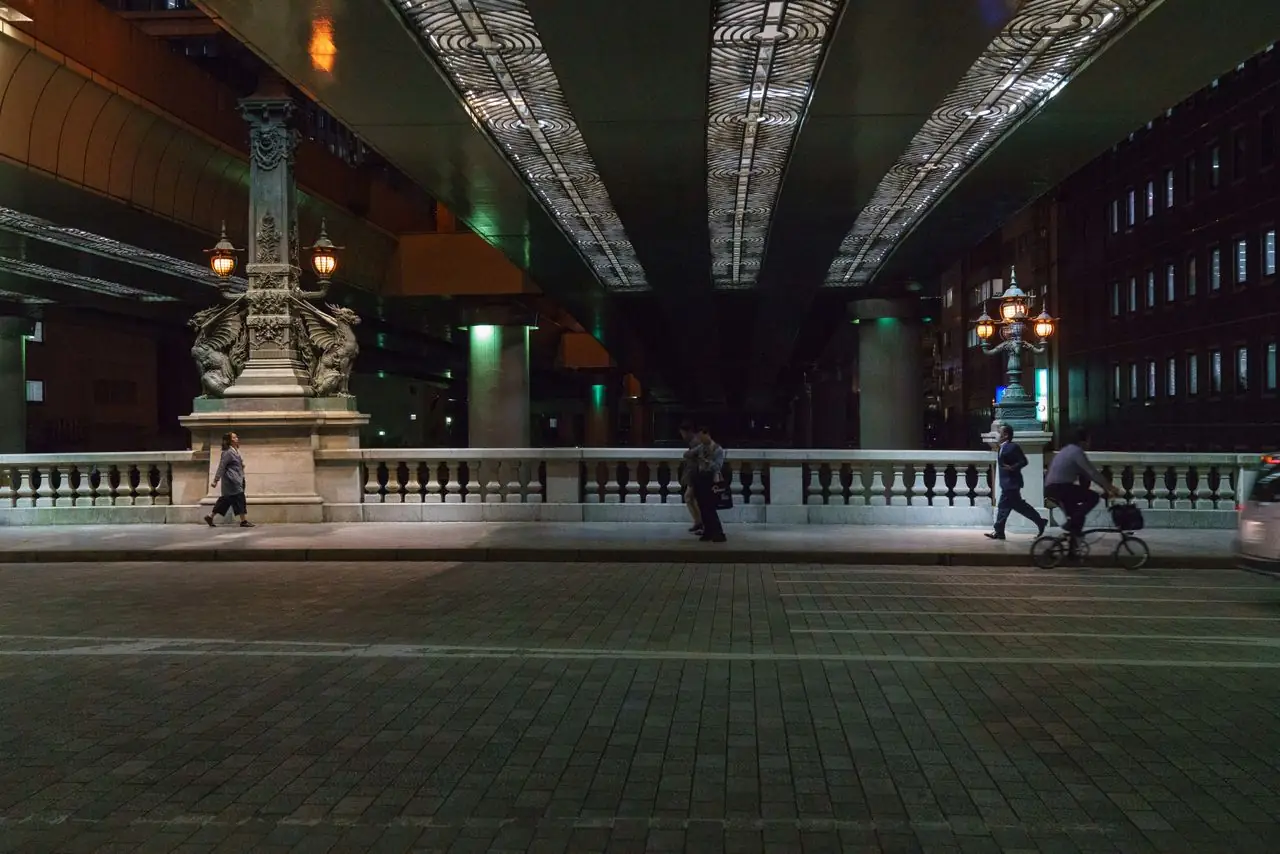
Nihonbashi works well. The walk passes interesting storefronts, the craft shops are good for slow browsing, and a traditional tea shop gives you somewhere to sit.
Graceful Exit Ramps
Client outings need a clean ending, and "We should head back" feels abrupt.
It's easier to finish somewhere that leads naturally to the next thing. Yamamotoyama in Nihonbashi is steps from the metro. KITTE's lobby connects directly to Tokyo Station. A hotel bar has taxis waiting outside. Plan the ending into the route.
What You Brief the Guide On
If you're hosting, the guide needs different information:
-
Relationship context: Is this a new client or long-standing partner? Is the relationship formal or relaxed?
-
Dietary restrictions: These matter more when you're the host, because getting them wrong is more embarrassing.
-
Client seniority: The pace and formality should match.
-
Conversation goals: Are you building on a relationship or making a first impression?
-
Your energy state: You're looking after their day and your own.
For private dining in Marunouchi, there's mikuni (private rooms for 6 or 14 people, English-speaking staff) and MAISON MARUNOUCHI at the Four Seasons (The Library private dining for 6 guests).
How to Brief a Guide for Business Constraints
Most people brief a guide with their interests: "I'm interested in traditional culture and food." Business travelers should do it the other way round.
What to Tell Them First
Start with your constraints:
-
Start location: "I'm staying at Palace Hotel Tokyo"
-
Hard end time: "I need to be back by 4:45pm—presentable for a dinner meeting"
-
Energy state: "This is jet lag day 2. I'm running on about 60%."
-
Hosting status: "Just me" or "I'm hosting a colleague from our Singapore office"
Then mention interests:
- Interests (if time permits): "I'd like to see something green and quiet if possible"
Sample Briefing
"I'm staying at the Shangri-La in Marunouchi. Free from 2pm to 5pm tomorrow. Need to be back by 4:45 presentable for dinner with clients. This is day 2 of jet lag—energy is medium but I'm expecting a crash around 3pm. Just me, not hosting anyone. I want to walk but not exhaust myself. Something calming would be ideal."
From that, a guide has what they need to plan a 2.5-hour window that works.
Compare it with "I'm interested in traditional culture and maybe some food experiences," which tells the guide almost nothing about how to plan the afternoon.
Emergency and Backup Planning
When something goes wrong on a business trip, the stakes are higher. Missing a meeting because you got sick or lost has professional consequences.
If You Need Medical Care
| Resource | Details |
|---|---|
| Emergency number | 119 (ambulance and fire). Operators may have limited English, so speak slowly and clearly. Ambulance service is free. |
| Japan Visitor Hotline | 050-3816-2787 (24/7, English available). JNTO-operated support for tourists. |
| St. Luke's International Hospital | Chuo Ward, near Tsukiji. 24/7 emergency with English-speaking staff. Tokyo's main international hospital. |
| Tokyo Saiseikai Central Hospital | Minato Ward, near Akabanebashi Station. JMIP-certified, on-site medical interpreters (English, Spanish, French, Portuguese, Chinese). |
| Tokyo Station International Clinic | 2-min walk from Yaesu South Exit. English/Chinese-speaking doctors. Good for minor issues during business hours. |
Payment reality: Japanese hospitals don't bill foreign insurance directly. Expect to pay upfront (¥20,000-50,000+ for ER visits) and claim it back later. Major hospitals take credit cards, but smaller clinics are often cash-only.
What Your Travel Insurance Should Cover
Many business travelers have corporate travel insurance but haven't checked what it covers in Japan.
| Coverage Type | Minimum Recommended | Why It Matters |
|---|---|---|
| Medical expenses | $50,000+ | Japanese healthcare is good but expensive for uninsured visitors. |
| Medical evacuation | $100,000+ | Medevac flights from Japan to home country cost $50,000-150,000+. |
| Trip interruption | Match your trip value | Covers non-refundable business travel costs if you must return early. |
| 24/7 assistance line | Required | Someone who can coordinate care in English while you're incapacitated. |
Check before departure: Make sure your corporate policy covers Japan specifically. Some policies exclude certain activities or have caps too low for actual costs.
When Plans Fall Apart
Business schedules change. This is how guides handle the usual disruptions:
| Situation | Guide Response |
|---|---|
| Meeting runs long | Guide starts later or shortens the itinerary. Routes are planned so stops can be cut without canceling. |
| Flight delay | Contact the concierge to reschedule or shorten the tour. Same-day changes are usually possible. |
| Sudden illness | Guide can help at the pharmacy, recommend nearby clinics, or end the tour early, no problem. |
| Weather disruption | There's always an indoor backup. The route moves to covered walkways and underground passages. |
| Client cancels | Tour continues solo, or the guide helps find a restaurant for a working lunch. |
The guide as backup: Guides also act as local fixers. They can make calls in Japanese, explain symptoms to pharmacists, find the nearest convenience store for supplies, and get you back to your hotel if needed. For business travelers on tight schedules, that backup is often worth more than the sightseeing.
Corporate Booking Options
Business travelers often need to book through company systems instead of putting it on a personal card and filing an expense report.
What Corporate Bookers Need
| Requirement | Standard Consumer Booking | What Business Travelers Need |
|---|---|---|
| Payment | Personal credit card at booking | Invoice for corporate accounts, or company card processing |
| Documentation | Email confirmation | Formal invoice with company details, VAT/tax info if applicable |
| Timing | Pay now, tour later | Net-30 payment terms for established accounts |
| Approval | None | Manager approval workflow, quote before commitment |
| Expense coding | None | Category coding for expense systems |
How We Handle Corporate Bookings
For individual business travelers: A standard credit card booking works. You'll get a detailed receipt you can use for expense reports, with:
- Service description (private guided tour)
- Date, duration, and group size
- Itemized pricing
- Provider details for reimbursement
For corporate accounts (multiple bookings or team events):
- Invoice billing for companies booking 3+ tours a year
- Formal quotes before you commit, for approval workflows
- One invoice for multi-day or multi-person bookings
- A single contact for travel coordinators and executive assistants
For client entertainment:
- Separate invoices for client expenses and personal tours
- Confidential booking (client names left off invoices on request)
- Group rates for hosting multiple clients
Booking Through Corporate Travel Programs
If your company uses a managed travel program (Amex GBT, CWT, BCD Travel), we can work with your travel coordinator. Contact us directly and we'll provide whatever documentation your program needs.
Contact for Corporate Inquiries
Email service@hinomaru.one with "Corporate Booking" in the subject line. Include:
- Company name
- Estimated number of tours annually
- Preferred payment method (invoice, corporate card, other)
- Any specific documentation requirements
We reply within 24 hours with a proposal.
When to Book Yourself vs. Use Hinomaru One
When Self-Booking Works
Booking yourself works when you have the energy to plan, the time to carry it out, and some slack if things go wrong: a full free day with no hard end time, some familiarity with Tokyo, and you actually enjoy the planning.
When Hinomaru One Fits
We're for business travelers who would rather pay for predictability and let someone else do the thinking.
That usually means short windows, hosting, jet lag, or a hard end time, where getting it wrong (wasted time, an awkward afternoon with a client, a missed meeting) costs more than the tour.
Half-day private tours run ¥16,500-37,000 (~$110-250) per group. For a full breakdown, see our Tokyo private tour pricing guide. You can certainly get around Tokyo yourself. Whether that's the best use of your few free hours is up to you.
Frequently Asked Questions
How do I fit a tour around business meetings?
Tell your guide your hard end times, not loose preferences. "Back by 4:45pm presentable" is something a guide can plan around. Routes are built so stops can be cut if you run late or added if a meeting ends early, with buffer for surprises. Briefing on constraints first works better than leading with interests.
Can a private tour help with client entertainment?
Yes. When you're hosting clients or colleagues, the guide is a neutral third party, so neither host nor guest has to plan, navigate, or fill silences. Routes can be built for conversation (walking stretches, a seated tea) instead of heavy sightseeing.
Is a 2-3 hour tour worth it?
For business travelers, often yes. The alternative is spending those hours working things out alone while jet-lagged. Even 2-3 hours with a guide gets you more than 4 hours of finding your own way.
What if my schedule changes last-minute?
A good operator can handle it. If a meeting runs long, the tour gets shorter or starts later. If a flight is delayed, same-day changes are usually possible. Guides are flexible as long as you tell them about changes as soon as you know.
Can I expense a private tour?
Yes. You'll get detailed receipts with service descriptions, dates, itemized pricing, and provider details for expense reports. Companies booking multiple tours can set up a corporate account with invoice billing.
Ready to Book?
If your calendar has a gap, a guide can plan it around your schedule so you get the most out of it without doing any of the planning.