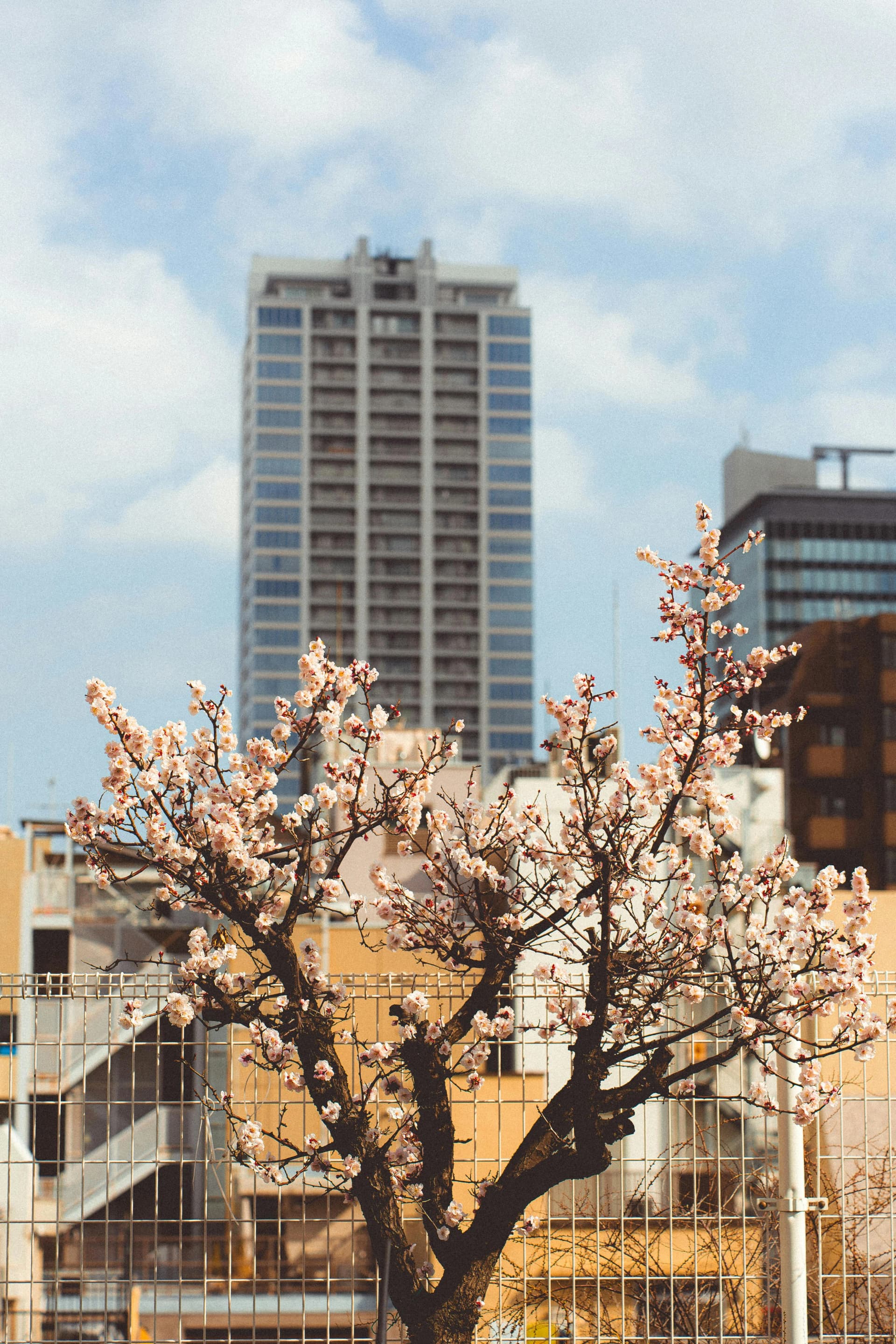
Golden Week is not uniformly crowded. The city center is quieter than usual, April 30 and May 1 are the secret travel days, and the Nozomi all-reserved policy means you need to plan Shinkansen travel differently.
Golden Week in Tokyo is four national holidays spread across eight days in late April and early May. In 2026 the holidays leave a two-day gap that changes how you should plan.
Showa Day is Wednesday April 29. Then come two normal working days, April 30 (Thursday) and May 1 (Friday). The core block follows: Saturday May 2, Constitution Memorial Day on Sunday May 3, Greenery Day on Monday May 4, Children's Day on Tuesday May 5, and a substitute holiday on Wednesday May 6, because Constitution Memorial Day fell on a Sunday. Most workers get five days in a row, May 2 through May 6, plus April 29 as a lone midweek holiday.
Workers who take April 30 and May 1 as paid leave get eight days off in a row, and those who also take April 27 and 28 stretch it to twelve. JTB projects 24.5 million domestic travelers between April 25 and May 7, up 1.9 percent on 2025.
What Happens to Tokyo
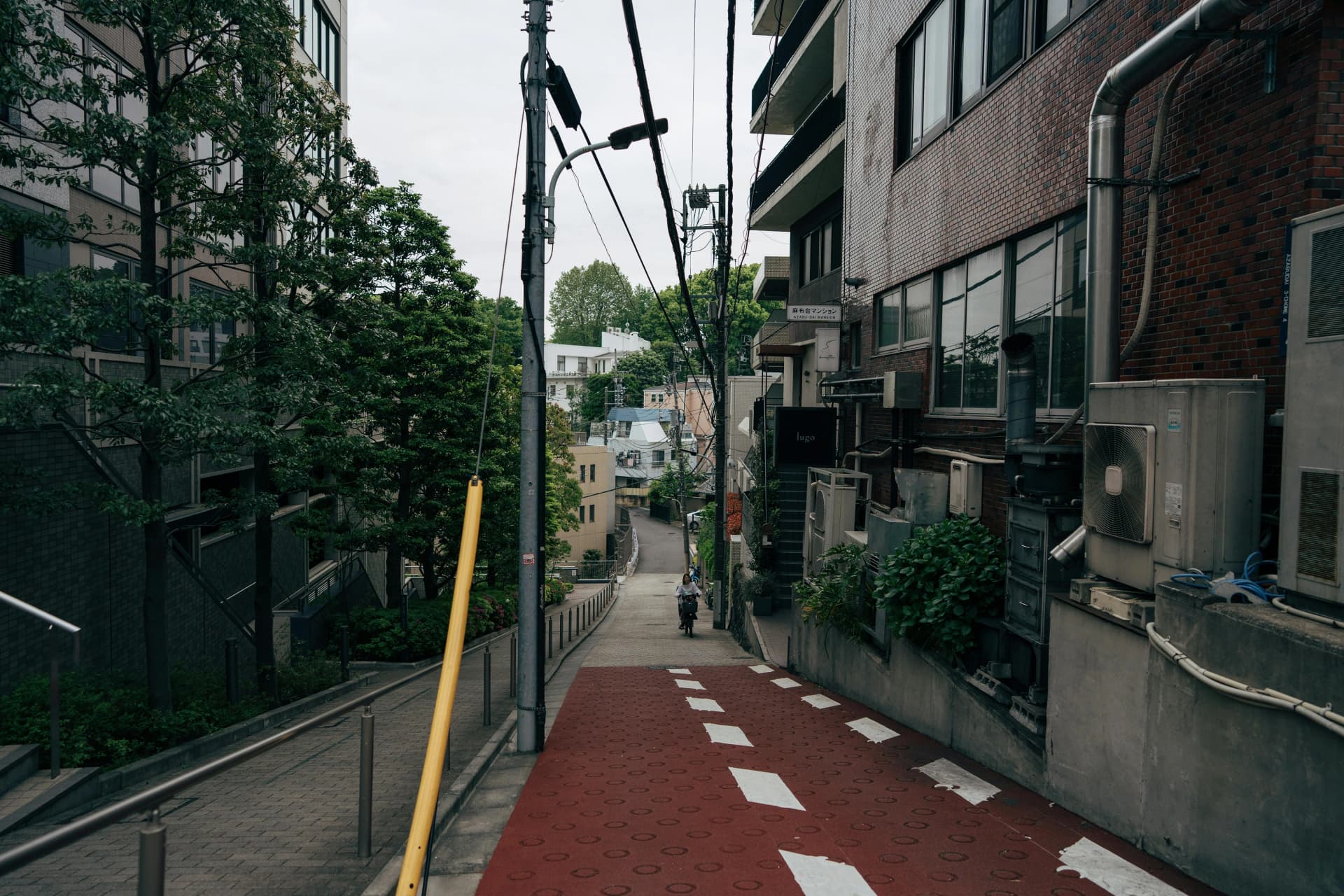
Every year it goes the same way, and it surprises people. Tokyo's residential and business neighborhoods empty out. The office workers who fill Marunouchi, Shiodome, and the Shinjuku towers leave town, going home to family in other prefectures, flying to Hokkaido or Okinawa, or driving to Karuizawa or Izu. Japanese residents describe GW in the residential wards of western Tokyo (Setagaya, Suginami, Nerima) as the time when "the city exhales." The shotengai shopping streets feel festive but unhurried in a way you won't find the rest of the year.
The tourist areas, meanwhile, fill up with visitors from elsewhere in Japan. Ueno, Asakusa, Odaiba, Shibuya, and Harajuku are all busier than usual, and theme parks, observation decks, and timed-entry attractions hit their peak for the year. The split is sharp. If you're staying in Shinjuku, the neighborhood will feel calmer than a normal weekday, while Ueno Park or Tokyo Skytree will be jammed.
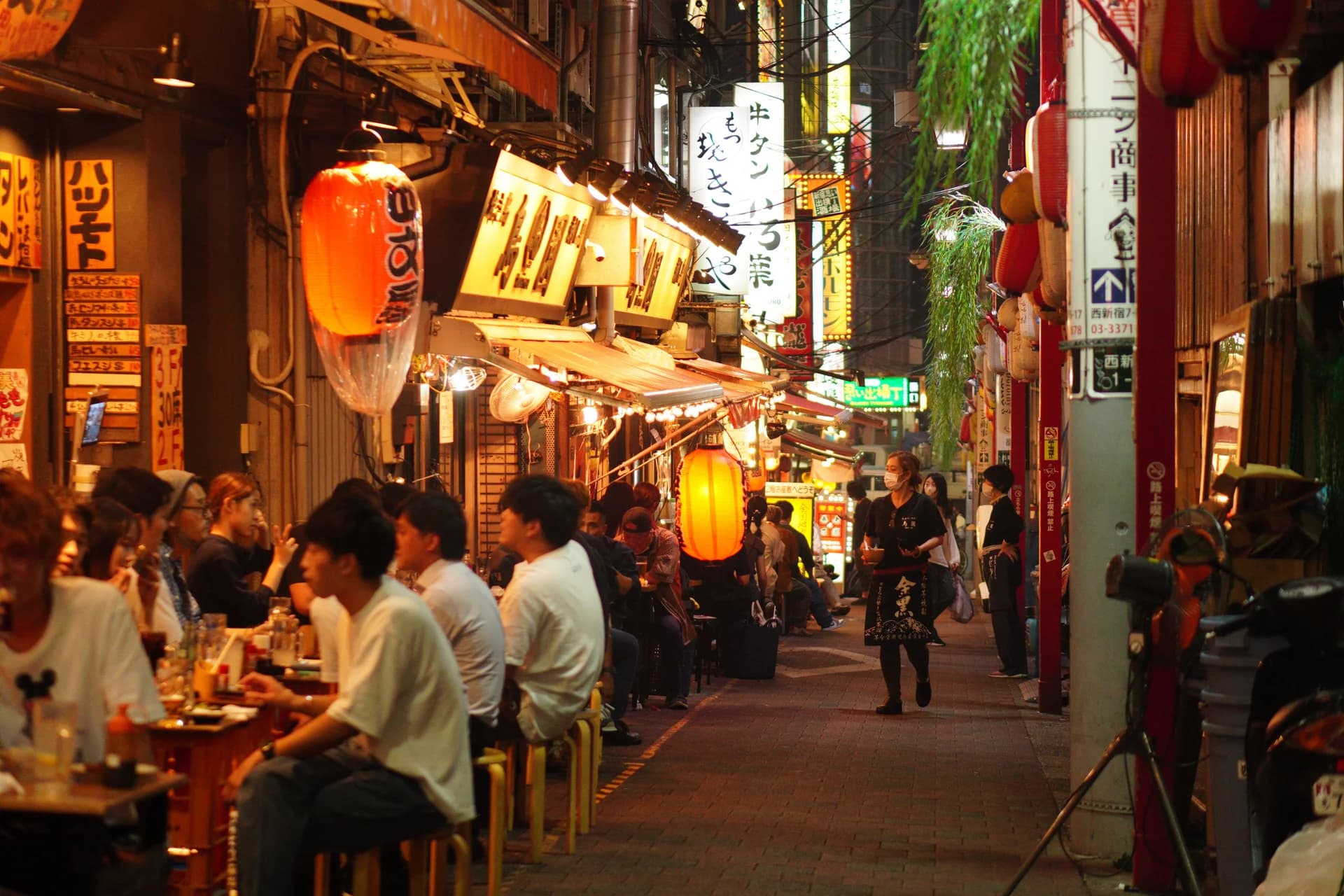
Restaurants and izakayas stay open. They don't take public holidays the way offices do, and GW is one of their best weeks for revenue. What closes is offices, banks (ATMs still work), government services, and some small family-run shops whose owners go away. Department stores, major retail, and nearly all restaurants stay open and busy.
The Shinkansen Policy Change
Most English-language guides haven't caught up with this change, and it affects anyone riding the Shinkansen during GW 2026.
From April 24 to May 6, every Nozomi train on the Tokaido and Sanyo Shinkansen runs as 全席指定席, all seats reserved. There are no unreserved cars on any Nozomi departure for the whole GW window.
That hits JR Pass holders twice, because the Nozomi is the one Shinkansen the JR Pass doesn't cover. Pass holders use the Hikari or Kodama, which still have unreserved cars on non-peak days. If you were counting on hopping on a Nozomi with a reservation, you'll have to book it separately and pay a surcharge. The Hikari takes longer but costs nothing extra with the pass.
Reserved seat tickets go on sale one month before the travel date at 10:00 AM, so seats for May 3 go on sale April 3 at 10:00 AM. By mid-April more than half the seats on peak-day trains are gone, and by April 25 the most popular departures often sell out.
All Shinkansen fares also carry a +400 yen surcharge from April 24 to May 6. Travel before April 23 or after May 7 and you avoid it.
JR data confirms these as the peak congestion days:
| Date | Direction | Status |
|---|---|---|
| April 29 (Wed) | Both | Congested, worst 6:30–7:30 AM |
| April 30 (Thu) | Both | Light, normal weekday |
| May 1 (Fri) | Both | Light, normal weekday |
| May 2 (Sat) | Outbound | Peak: worst outbound day |
| May 3 (Sun) | Both | Heavy, morning through 4 PM |
| May 5 (Tue) | Inbound | Peak: worst return day |
| May 6 (Wed) | Both | Heavy, morning through 4 PM |
April 30 and May 1 are the days to use. Japanese congestion calendars mark them as empty, so if you want a day trip to Hakone or Kamakura, aim for those.
Hotels
GW hotel prices are predictable. They spike on the core holiday nights and drop sharply in the weekday gap.
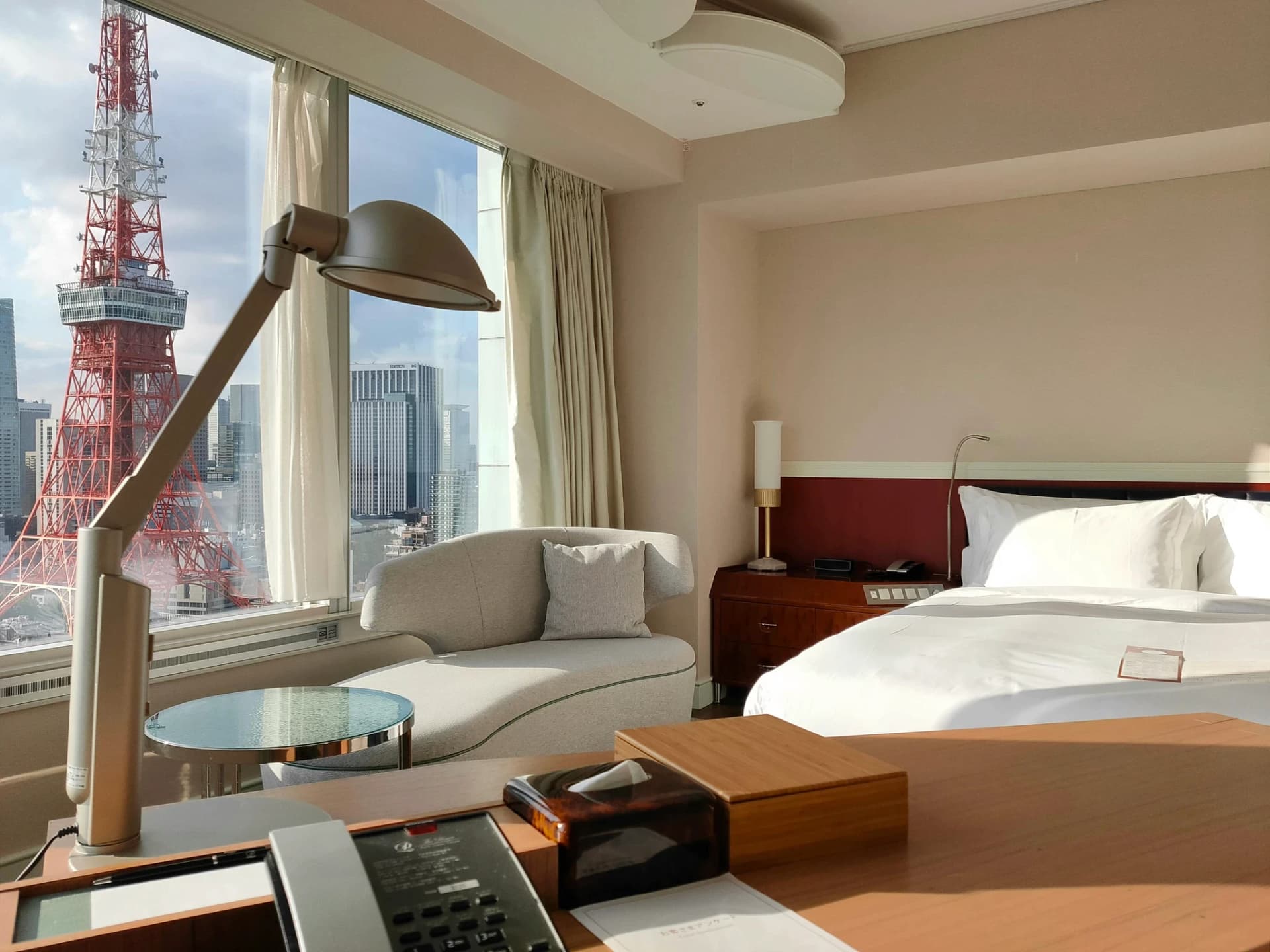
May 2, the first Saturday of the core block, is the most expensive night. Business hotels that normally cost ¥8,000 to ¥12,000 often run ¥18,000 to ¥25,000 on peak GW nights. TBS News reported capsule hotels hitting ¥23,000 a night during recent Golden Weeks, and luxury hotels launch special GW packages at their highest rates of the year.
The nights to book are April 27, 28, 30, and May 1. They're weekdays between the holidays, with much lower demand and much better prices. Japanese travel agencies like HIS flag these as 狙い目 (strategic targets) and publish GW hotel search pages months ahead for exactly this reason.
If you haven't booked a hotel for May 2 through 5, do it today. Rooms in convenient spots near major stations are already scarce, and what's left will be expensive, far from transit, or both.
Day Trips: Which Ones Work
The usual GW day trips from Tokyo range from manageable to miserable, depending on the day and how early you leave.
Kamakura is badly congested all through GW. The city government officially treats roughly April 26 to May 6 as its GW congestion period. National Route 134 along the coast regularly grinds to a halt, so don't drive; take the Yokosuka Line from Shinjuku or Tokyo Station. By mid-morning the approach streets to the Great Buddha and Tsurugaoka Hachimangu are slow-moving lines of people. Get there by 8:00 AM before the tour buses, see the Great Buddha first while it's quiet, and leave before noon. Or go on April 30 or May 1, when the crowds are much thinner.
Hakone is one of the most congested places in Japan during GW. The Romancecar from Shinjuku sells out, so book ahead. The standard route (Hakone-Yumoto to Gora to Lake Ashi) puts you right in the thick of the crowd. Japanese tourism sources recommend the 逆回りコース, the reverse route: go straight to Lake Ashi from Hakone-Yumoto, then work back toward Gora. Since most people do it the standard way, this puts you ahead of eighty percent of visitors. Go with the crowd on a peak day and you'll queue one to two hours for the ropeway.
Nikko works if you leave early. Leave Tokyo at 7:00 AM on a weekday and you can be at Toshogu Shrine by 9:30 AM, two hours before the biggest tour groups arrive. The shrine complex is worth a full half-day. Traffic into the shrine area is heavy on peak days, so take the train.
Kyoto is not worth it during GW peak days. Japanese and English sources warn about it more than anywhere else, and they're right to. Kiyomizu-dera, the Arashiyama bamboo grove, and Kinkaku-ji get uncomfortably crowded. The Tokyo-Kyoto Shinkansen is at full capacity May 2 through 5, and a same-day return is risky if trains fill up. If you're set on going, Kiyomizu-dera opens at 6:00 AM, and Japanese sources say that at opening you can have the view to yourself in silence. The temples in far northern Higashiyama (Manshu-in, Shisen-do, Enko-ji) stay quiet even during GW. Our advice is still to save Kyoto for another week. Tokyo has more than enough to fill the time you have.
What to Do in Tokyo Instead
What works during Golden Week is staying in central Tokyo on peak travel days and enjoying the city while everyone else is away.
The business districts are ghost towns. Walk through Marunouchi and Nihonbashi on a GW weekday and Tokyo feels emptier and more spacious than at any other time. Ueno's museums are open but crowded, though the streets around them aren't.
A few spots in Tokyo that stay quiet during GW:
Kameido Tenjin Shrine has over fifty wisteria trees that usually peak in early to mid May, right when Golden Week falls. Entry is free, the wisteria over the bridge is one of Tokyo's most photographed seasonal views, and the crowds are a fraction of Ueno's or Asakusa's. It's twelve minutes' walk from Kameido Station on the Sobu Line.
Todoroki Valley in Setagaya is Tokyo's only ravine, a wooded gorge with a stream through it that you reach by stairs from the street. It's big enough that crowds spread out even on busy days. Entry is free, and it's ten minutes from Todoroki Station on the Tokyu Ōimachi Line.
Tennoz Isle is a canal-side district with galleries, a boardwalk, and restaurants in converted warehouses. Japanese sources call it one of the emptiest places in Tokyo during GW. It's one stop from Shinagawa on the Rinkai Line.
GW-specific events worth knowing about: The Meiji Jingu Spring Grand Festival runs May 2 to 3, with traditional performing arts on the shrine grounds and no ticket needed. If the Kameido wisteria doesn't line up with your dates, Yoyogi Park hosts the Cambodia Festival on May 3 to 4 with food stalls and performances. The Odaiba Meat Festival (肉フェス) runs for twelve days at an outdoor venue with twenty premium wagyu and meat vendors. It's one of Tokyo's most popular food events, and it's busiest during GW.
The Return
People underestimate how hard it is to get back to Tokyo on May 5 and May 6. The return rush peaks on the afternoon and evening of May 5, which JR data marks as the worst inbound day. During GW 2025 the Tohoku Expressway backed up sixty kilometers, and the Chuo Expressway through the Kobotoke Tunnel regularly sees thirty-kilometer jams.
If you're coming back from a day trip on May 5 or 6, leave by 2:00 PM at the latest. The Shinkansen adds trains on return days, but the unreserved cars on Hikari trains are standing room only by late afternoon. If you have a reserved seat, use it. If you don't, allow an extra hour of waiting for a train with space.
If you can move your return to May 4 instead of May 5, the trip back is far more comfortable.
Frequently Asked Questions
Is Tokyo during Golden Week crowded? Tourist hotspots are busier than usual, and residential neighborhoods and business districts are quieter, so it depends on where you go. A walk through Yanaka or Koenji during GW will feel calmer than a normal Saturday.
Is Golden Week a good time to visit Tokyo? Yes, if you plan. The weather in late April and early May is some of Tokyo's best: warm days, comfortable evenings, cherry blossom season just over, and wisteria in bloom. Plan around where the crowds go and you'll avoid most of them.
Should I book Shinkansen in advance? Yes. Every Nozomi is fully reserved during GW 2026, with no unreserved cars. Hikari and Kodama still have unreserved cars, but on peak days they fill to standing room only. For any travel on April 29, May 2, 3, 5, or 6, book reserved seats the day they go on sale (one month before departure, at 10:00 AM).
My hotel isn't booked yet. Is it too late? For May 2 through 5, what's left is expensive, far from stations, or both, so book today. For the weekday nights (April 30, May 1), prices are much better and there's still availability.
What about the JR Pass during GW? The JR Pass covers the Hikari and Kodama Shinkansen, with free seat reservations. It doesn't cover the Nozomi. During GW the Nozomi is all-reserved and the fastest option, so you either pay the Nozomi surcharge separately or take the Hikari, which adds about twenty minutes to a Tokyo-Kyoto trip but costs nothing extra with the pass.
At Hinomaru One, we design private Tokyo days around Golden Week's crowd patterns: quiet windows in the city center, early starts for day trips, and the neighborhoods that feel like a different city once everyone else has left town. The Tokyo Together itinerary suits GW especially well, since families traveling with teenagers get someone who knows which attractions are worth the queue and which aren't.