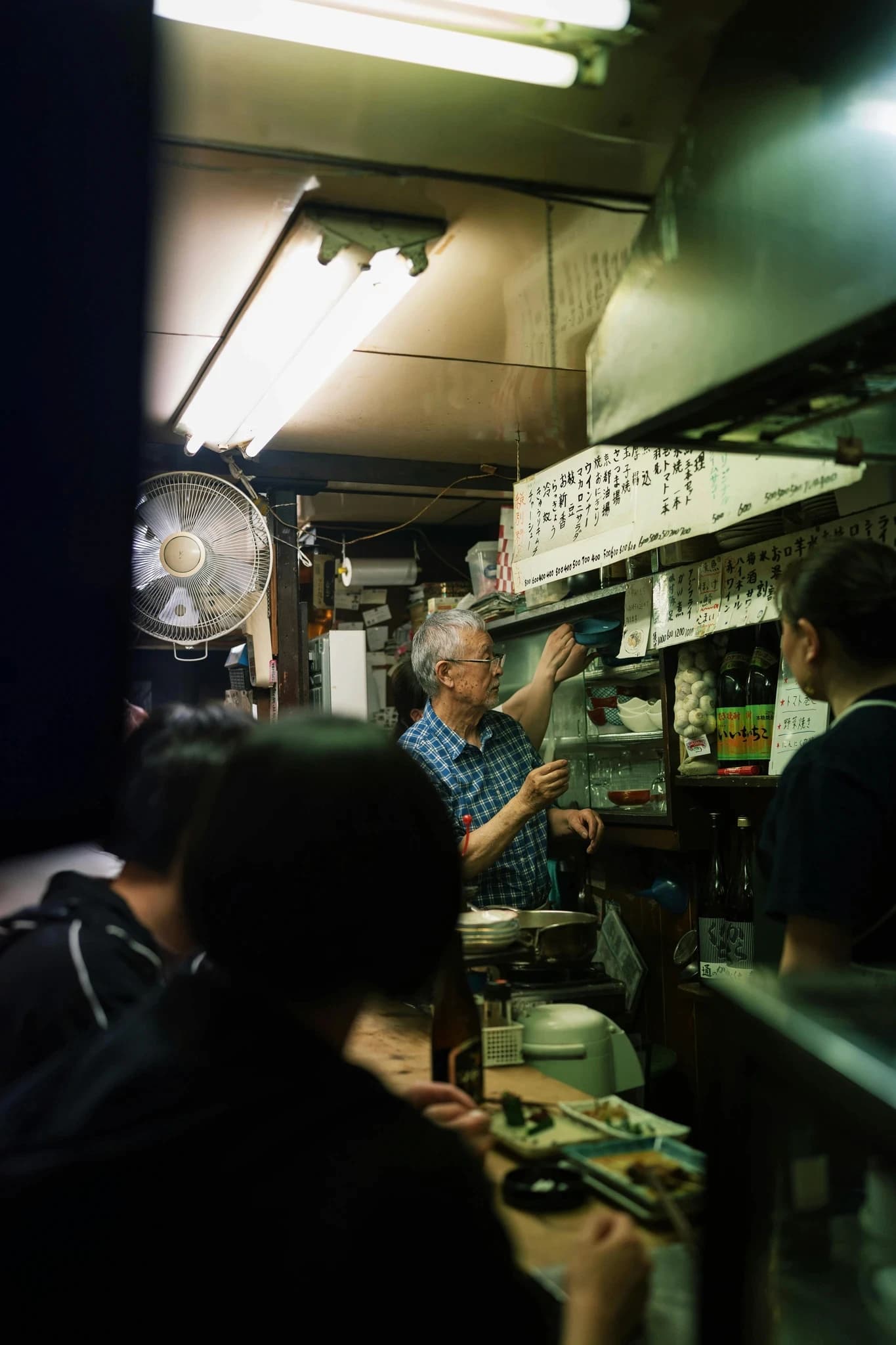
Standing bars are Tokyo's insider izakaya experience, but guides solve ordering complexity and social access—not location discovery.
Standing bars are Tokyo's insider izakaya experience, but guides solve ordering complexity and social access—not location discovery.
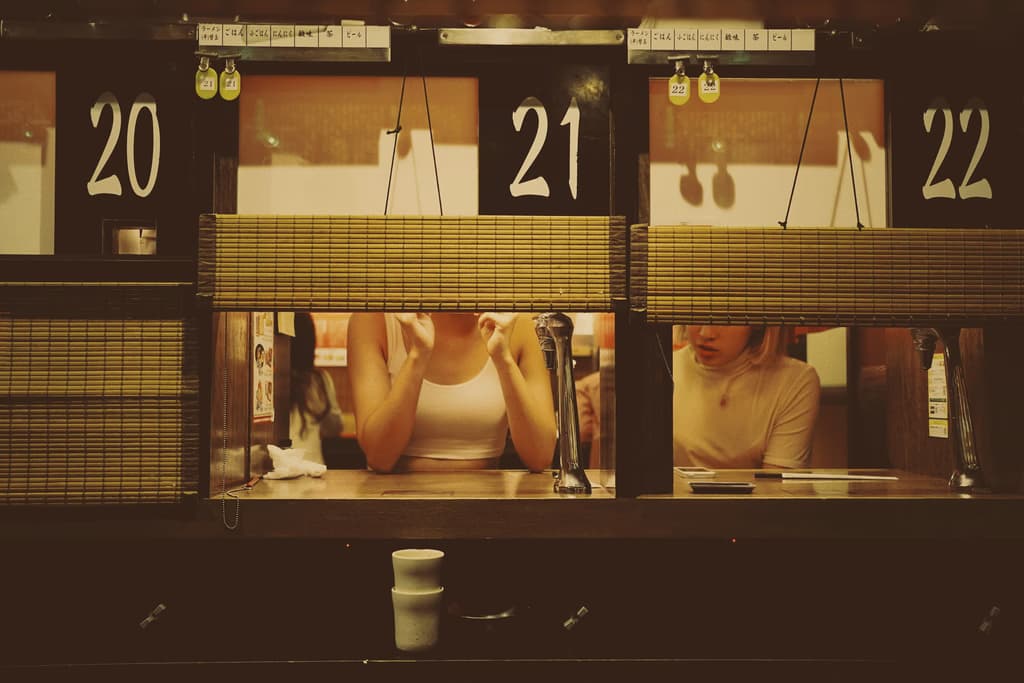
Most Tokyo izakaya tours promise "hidden authentic izakaya" but skip what makes Tokyo's drinking culture distinctive: standing bars. At tachinomi, you pay ¥300 for a beer, stand elbow-to-elbow with salarymen, and order yakitori two skewers at a time. No table charge. No English menu. No seats.
Standing Bars vs Seated Izakaya — The Distinction That Changes Everything
Standing bars (tachinomi) are Tokyo's no-seats, no-frills drinking format — ¥200-500 drinks, counter service, 60-minute visits. The full breakdown of how tachinomi work, their neighborhoods, and etiquette is covered separately. What matters for choosing a tour:
| Standing Bar (Tachinomi) | Seated Izakaya | |
|---|---|---|
| Drinks | ¥200-500 (¥300 avg) | ¥500-800 |
| Food | ¥200-500 per small dish | ¥150-300 per skewer |
| Otoshi (table charge) | None | ¥300-500 per person |
| Time commitment | 30-45 minutes | 90+ minutes |
| Evening cost (3 stops) | ¥2,000-3,000 total | ¥5,250-13,200 total |
You stand for 30-45 minutes, order progressively, and move on. Seated izakaya feel different because you're committing to a 90-minute experience. You sit down, get served an otoshi you didn't order, and the bill starts at ¥300-500 per person before you've touched a menu.
How to Eat at an Izakaya
Most guides list dishes to try. What they skip is the ordering logic — the sequence that locals follow without thinking, and that tourists accidentally reverse.
The Ordering Progression
Japanese izakaya meals follow a light-to-heavy arc:
First: something fast. Edamame, hiyayakko (cold tofu), or a small salad. These arrive in minutes and give you something to eat while the kitchen works. Ordering food immediately is expected — sitting with only drinks signals you don't understand how the space works.
Second: the shared plates. Yakitori, karaage (fried chicken), potato salad, dashimaki tamago (rolled omelette). These come to the center of the table. Everyone eats from the same plates, using the flip end of your chopsticks or the serving utensils provided.
Third: the heavier dishes. Grilled fish, stewed items, or anything rice-based. By now the table is on its second or third round of drinks.
Last: shime. The closing carb. Ochazuke (tea over rice), onigiri, or a small bowl of ramen. Ordering shime signals to the table — and the kitchen — that you're winding down. Skipping it is fine, but ordering it early confuses the rhythm.
Drink Etiquette: What Pouring Means
Pour for others. Don't pour your own drink. This isn't a suggestion — it's the social mechanism that keeps the evening flowing.
Watch the glasses around you. When someone's is low, pick up the bottle and offer. They'll hold their glass with both hands while you pour — that's the acceptance signal. Then they'll pour for you in return.
When the whole table has drinks, someone says "kampai" and everyone raises their glass. At casual izakayas nobody cares about hierarchy, but the kampai itself is mandatory before anyone drinks.
To get the server's attention: raise your hand and say "sumimasen." For the bill, make an X with your index fingers or say "okaikei onegaishimasu." Both work everywhere.
Tablet Ordering Systems
Chain izakayas — and increasingly independent ones — have replaced paper menus with touchscreen tablets at the table. The upside for tourists: picture menus, automatic totaling, and often an English language toggle.
Browse categories (drinks, appetizers, grilled items, rice), tap to add, confirm. Drinks arrive in 2-3 minutes; food in 5-10. You can reorder anytime without flagging a server.
The tablet also shows a timer if you're on a time-limited plan (common for all-you-can-drink courses). Last order is usually 20 minutes before your time expires.
Reading a Japanese Menu
If there's no tablet and no English menu, the paper menu follows a predictable structure:
Top section: Drinks (ドリンク or 飲み物). Beer first, then chuhai, highball, sake, wine, soft drinks.
Middle sections: Food categories — appetizers (前菜 or おつまみ), grilled items (焼き物), fried items (揚げ物), sashimi (刺身), salads (サラダ), rice dishes (ご飯もの).
Bottom or last page: Desserts and shime dishes.
Seasonal specials appear on a separate handwritten board near the entrance or above the bar. These are the chef's current recommendations and typically the best things to order — but almost never translated. Point and ask "osusume?" (recommended?) and the staff will nod you toward something good.
The "Hidden Izakaya" Problem — What You're Actually Looking For
"Hidden authentic izakaya" is marketing language that conflates two separate things: accessibility and authenticity.
Three examples show the spectrum:
| Chain | Format | Price | Accessibility | Local Use |
|---|---|---|---|---|
| Torikizoku | Chain, 600+ locations | ¥390/plate (2 skewers) | Menus in English/Chinese, tablet ordering | Packed with salarymen after work |
| Watami | Chain, every prefecture | Mid-range | Tourist-friendly, private booths, kneeling service | Japanese families choose it |
| Torigin | 14 Tokyo branches | Mid-range | In Ginza back alleys, 15-20 min kamameshi | Middle-aged professionals, refined palates |
Torikizoku and Watami are chains—and Japanese salarymen and families pack them because ¥390 yakitori beats ¥800 drinks at seated venues. Torigin sits at B1, New Ginza Building, 5-5-7 Ginza, serving yakitori grilled over Binchōtan charcoal. This is accessible-authentic: tourists can find it, locals choose it, and the experience requires some navigation and cultural literacy.
When tour operators say "hidden authentic izakaya," they mean venues that require navigation—not venues that locals guard as secrets. The distinction matters because "hidden" suggests exclusivity you can't access alone, when the actual barrier is knowing which neighborhoods to choose, how to read atmospheres, and how to order without paralyzing yourself with options.
Chains aren't automatically bad. They're a legitimate baseline. The question is whether they're your endpoint or your starting point.
What Guides Actually Solve (It's Not Location Discovery)
Guides solve ordering complexity, not location discovery.
Ordering complexity: Tokyo izakayas offer 40+ yakitori options. No English menu. No portion size indicators. Do you order three skewers or ten? Is this a 30-minute stop or a 90-minute linger? The menu lists parts of the chicken most Western diners can't identify. You can Google Translate the menu—but that doesn't tell you how to pace your night. A guide navigates these language barriers naturally.
The otoshi surprise: You sit down at a seated izakaya and a small dish appears—edamame, pickled vegetables, sometimes grilled fish. You didn't order it. It costs ¥300-500 per person. It's on the bill. For a group of six, that's ¥1,800-3,000 in table charges at each venue before you've ordered anything. Standing bars don't charge otoshi. That distinction saves ¥900-1,500 per person over a night of bar hopping—but only if you know standing bars exist.
Otoshi isn't a tip or a scam—it's a seating charge built into izakaya pricing. For the full breakdown of how tipping and service charges work in Tokyo, including why leaving extra money creates confusion, the tipping guide covers the system.
Social access: Izakaya culture is drinking-forward. You order a beer first, then food. The format assumes you know this rhythm. Walking into a standing bar without ordering a drink first signals you're lost. Guides provide the social confidence that makes you feel invited rather than intrusive.
Pattern recognition: Cash requirements, bill splitting customs, when to ask for the check—these are problems guides have solved through repetition. You can learn them yourself, but you'll spend your first night making mistakes instead of relaxing.
Neighborhood Energy Matters More Than Venue Lists
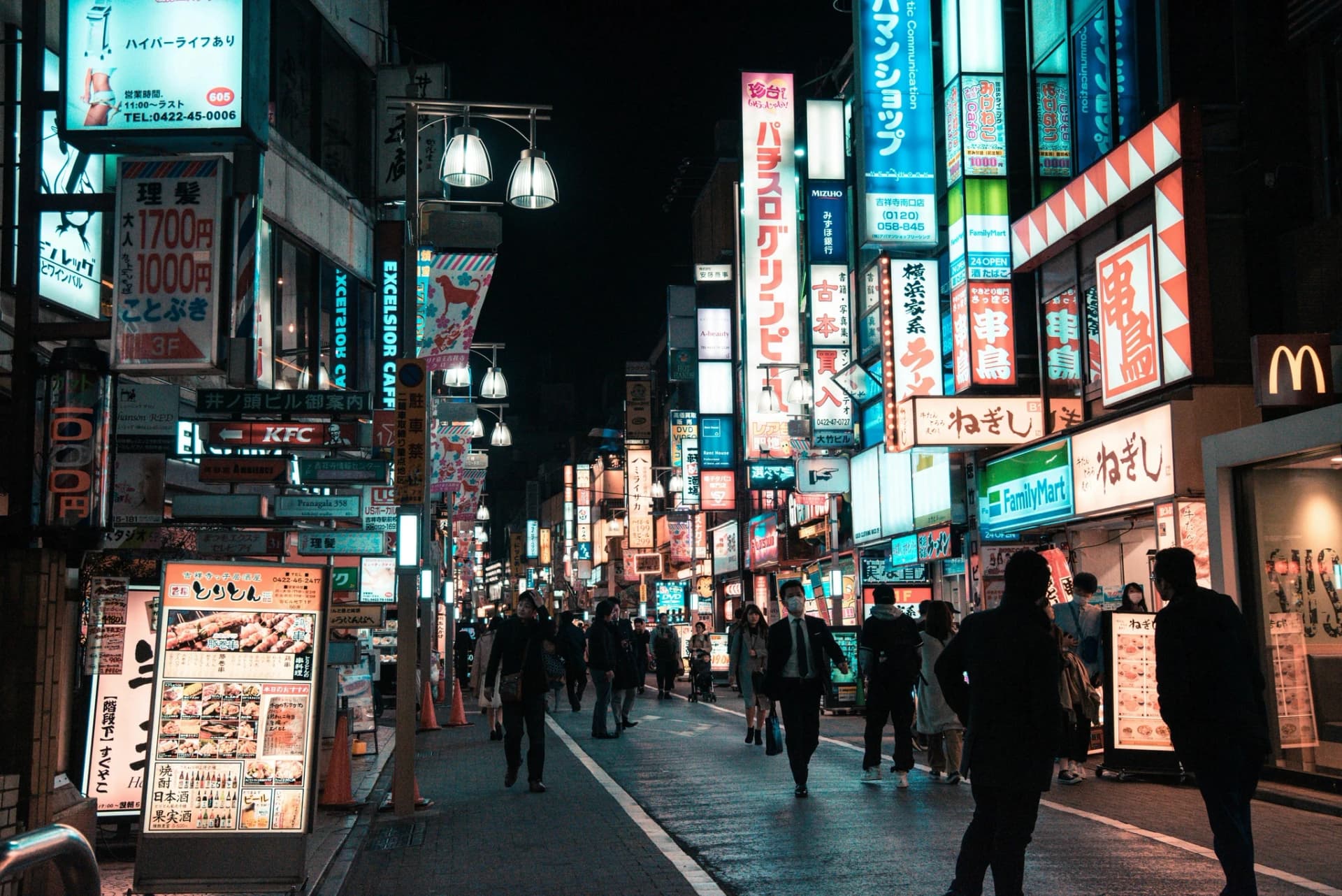
Guides choose neighborhoods first, then venues. The neighborhood sets the energy and price range:
| Neighborhood | Vibe | Transit | Notable Yokocho | Price Level |
|---|---|---|---|---|
| Nakano | Retro Showa nostalgia, working-class | 4 min from Shinjuku (JR Chuo) | Standing bars cluster near station | Budget-friendly |
| Ebisu | Upscale-casual, young professionals | 1 stop from Shibuya (JR Yamanote) | Ebisu Yokocho (~20 venues) | Mid-range, craft sake |
| Kichijoji | Bohemian, jazz bars, creative types | JR Chuo Line | Harmonica Yokocho (~100 establishments, 56 bars) | Varied |
| Shibuya | Chaos, international energy | Major hub | Nonbei Yokocho (¥600 cover, ¥1,200 drinks) | High for yokocho |
| Shinjuku | Chaos, tourist infrastructure | Major hub | Omoide Yokocho (¥2,000-4,000/evening) | Varied, tourist-priced |
One format missing from this table: cocktail bars. Ginza and Shinjuku have the highest concentration, but they operate on different economics—reservations required, cover charges assumed, and evenings built around 2-3 drinks rather than progressive bar-hopping.
Most tour itineraries don't publish neighborhoods upfront because the choice depends on group size, mobility, and tolerance for standing. A 30-person group tour can't fit in Harmonica Yokocho's 8-seat bars. A standing bar tour requires 45+ minutes of standing. The neighborhood matters more than the list of stops.
Tour Format Reality — Duration, Stops, and What's Actually Included
Most Tokyo izakaya tours run 3-4 hours across 3-4 stops with 10-16 tastings. The format settles here because it balances pacing with satiation. Yes, you'll be full. Multiple reviewers note "soooo much food" as a surprise—not a complaint.
What's included varies by operator:
-
Guide and transportation coordination (always included)
-
10-16 tastings/small dishes (standard)
-
2-3 drinks maximum (most common)
-
All food and drinks (some premium operators)
-
Additional drinks beyond minimum (your expense)
Base prices for group tours run ¥12,500-26,000 ($85-170 USD) per person. The most common range is $120-140. Private tour upgrades add roughly $100 per person. For a couple, that's $340-380 total for a private 3-4 hour experience. For broader context on how Tokyo private tour pricing works across different formats, see our complete pricing guide.
Group size matters because it determines venue access. Groups of 2-4 can fit in standing bars and small yokocho establishments. Groups of 6-8 start to dominate the venue and block locals. Most operators cap groups at 8-10 for this reason, though some run larger groups and skip standing bars entirely.
The format isn't arbitrary. Three stops gives you enough variety to understand neighborhood differences without exhausting you. Four hours provides adequate time for drinking culture pacing—Japanese izakaya etiquette expects lingering, not rushing. Tour operators don't add more stops because the goal is atmosphere and conversation, not maximizing venue counts.
When DIY Works (And When It Doesn't)
DIY works if you're an experienced Japan traveler comfortable with uncertainty and willing to accept chains as part of the night. You'll save $120-140 per person. You'll have complete control over pacing and stop selection. You'll miss the social confidence guides provide and the contextual explanations that make sense of what you're experiencing.
DIY gets harder on a first trip. Limited time, menu paralysis, and not knowing which neighborhoods to prioritize creates decision friction that eats your evening. You can recover from a bad venue choice—you can't recover the time spent researching and second-guessing when you're only in Tokyo for 5-7 days.
The conversion moment arrives mid-research: "I could do this myself, but I'd be guessing the entire night."
This tour fits best if you're on a first Tokyo trip, have 4-5+ days in the city, traveling in groups of 2-4, and drink socially. The tour format assumes alcohol is central to the experience. Non-drinkers can participate—guides accommodate with more food and fewer drinks—but the cultural context revolves around drinking-first izakaya culture. If standing bars and neighborhood character matter to you, Standing Room Only focuses specifically on tachinomi in Nakano, Nishi-Ogikubo, and Kichijoji over four hours. If you prefer more yakitori variety and seated izakaya, Kushiyaki Confidential runs six hours through Shibuya, Ebisu, and Nakameguro. If izakaya culture doesn't align with your interests, Tokyo's nightlife options extend well beyond drinking establishments.
For a broader analysis of when guided experiences add value versus exploring independently, see our comparison of private tours versus exploring alone.
What Disqualifies You (Dietary and Mobility Reality)
Non-drinkers: Can participate, though the experience is drinking-forward. Izakaya culture places drinks at the center. Food pairs with alcohol. The social rhythm assumes everyone is drinking. Guides can adjust by increasing food portions and decreasing drink focus, but the venues themselves are designed around alcohol consumption. If you're uncomfortable in bar environments, this tour format won't feel natural.
Vegetarian and vegan travelers: Face limited options. Most tour operators explicitly state "not recommended for vegans & vegetarians" in their booking policies. Izakaya menus center on meat, fish, and seafood. Vegetable dishes exist—grilled peppers, pickles, edamame—but they're sides, not mains. You won't starve, but you'll spend the night watching others eat while you nibble edamame.
Mobility concerns: Standing bars require 45+ minutes of standing per stop, sometimes longer if the bar is crowded. The spaces are tight—narrow aisles, limited room to maneuver. If standing for extended periods causes pain or fatigue, standing bar-focused tours won't work. Seated izakaya tours exist as alternatives, but they skip the format that makes Tokyo's drinking culture distinctive.
Large groups (6+): Change the venue dynamics. Six people block locals at a standing bar. Eight people dominate a small yokocho establishment. The energy shifts from "joining local atmosphere" to "becoming the atmosphere." Most operators cap groups for this reason, but some run 10+ person tours and adjust venues to accommodate size. Ask about maximum group size if atmosphere matters to you.
How to Evaluate Tour Quality (Beyond Reviews)
Check whether the itinerary mentions standing bars explicitly. Most tours skip tachinomi entirely because standing bar formats require smaller groups and more venue coordination. If the tour description focuses on "izakaya experience" without naming standing bars, you're getting seated venues only.
Group size determines venue access. Tours capped at 4-6 people can access standing bars and small yokocho establishments. Tours running 8-12 people require larger venues that can accommodate the group. Larger venues tend toward more accessible (tourist-friendly) options. Neither is wrong—but they deliver different experiences.
Understand what "includes food and drinks" means. Some operators include unlimited food and drinks in the base price. Most include tastings (10-16 small dishes) plus 2-3 drinks maximum. Additional drinks are your expense. If you're a heavy drinker, the costs add up. If you're a light drinker, you might not consume the included allotment. Check the FAQ or ask directly.
| Red Flags | Green Flags |
|---|---|
| Generic language ("experience Tokyo nightlife") | Standing bars mentioned explicitly |
| Stock photos of yakitori with no venue names | Specific neighborhood focus (even if exact venues aren't listed) |
| No mention of specific neighborhoods | Format trade-offs explained openly |
| Template itineraries that adjust based on availability | Acknowledgment of who the tour doesn't fit |
| Upfront honesty about constraints (vegans will struggle, large groups change venues) |
Operators who tell you upfront about limitations understand the experience they're delivering.
These quality signals apply specifically to izakaya tours. For broader tour selection criteria across all formats and types of guided experiences, see our guide on questions to ask before booking a Tokyo private tour.
Where Hinomaru One Fits
Standing Room Only — Four hours through Nakano, Nishi-Ogikubo, and Kichijoji tachinomi. $314 for 2 people. The standing-bar-focused route.
Kushiyaki Confidential — The seated-izakaya and yakitori route through Shibuya, Ebisu, and Nakameguro. See full tour details and pricing.
Both tours include guide-facilitated introductions at places where English menus don't exist. Food and drinks are separate — budget ¥4,000-8,000 per person.